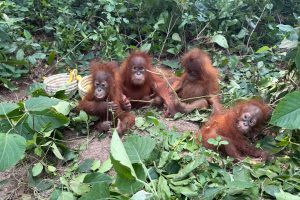
India is emerging as a significant destination for trafficked primates, particularly orangutans, driven by wealthy collectors seeking exotic status symbols. Despite laws aimed at protecting native species, loopholes in controls on imported animals facilitate this illicit trade. Experts note that the high profit margins in the global illegal wildlife trade, estimated at $34 billion annually, incentivize traffickers, with seizures representing only a fraction of the actual volume. The expanding tourism sector and increased direct flights to India from Southeast Asian hubs like Bangkok and Kuala Lumpur provide new trafficking routes. AI
RANK_REASON Article details a significant shift in illegal wildlife trade patterns, with India becoming a major destination for trafficked primates, driven by collector demand and facilitated by policy loopholes. [lever_c_demoted from significant: ic=1 ai=0.0]
- Assam
- Bangkok
- Borneo
- India
- Kuala Lumpur
- Mizoram
- Mumbai
- National University of Singapore
- Odisha
- Orangutan Information Centre
- Sinan Serhadli
- Sumatra
- Uttara Mendiratta
- Wildlife Trust of India
- WWF International
AI-generated summary · Google Gemini · from 1 sources. How we write summaries →