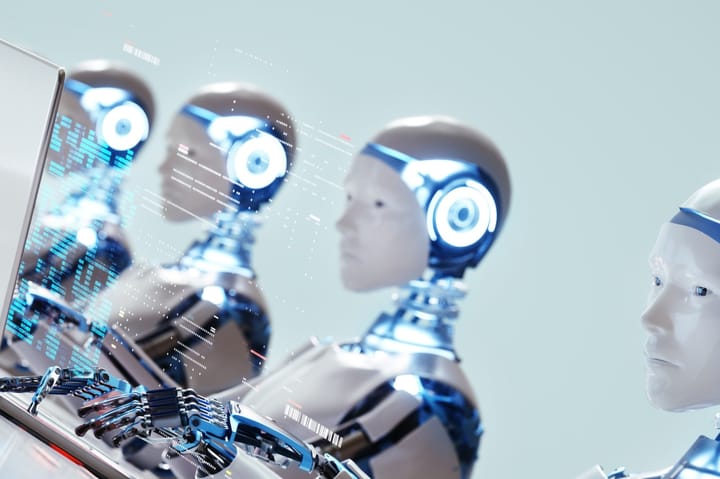
Artificial intelligence is expanding beyond digital applications into the physical world, with new foundation models enabling robots to better understand and interact with their surroundings using vision, touch, and audio. This shift, dubbed "physical AI," presents unique training challenges due to the difficulty of collecting real-world data compared to text-based models. Regions like Boston are emerging as hubs for this technology, which has the potential to transform industries such as manufacturing, logistics, and transportation. AI
IMPACT Physical AI integration into robotics and manufacturing could lead to more capable autonomous systems and increased operational efficiency.
RANK_REASON Article discusses the application of AI in physical systems and mentions new models and industry trends, but does not announce a new frontier model release from a top lab.
AI-generated summary · Google Gemini · from 1 sources. How we write summaries →