PulseAugur
EN
LIVE 21:08:56

NASA develops extreme-temperature batteries for Moon missions

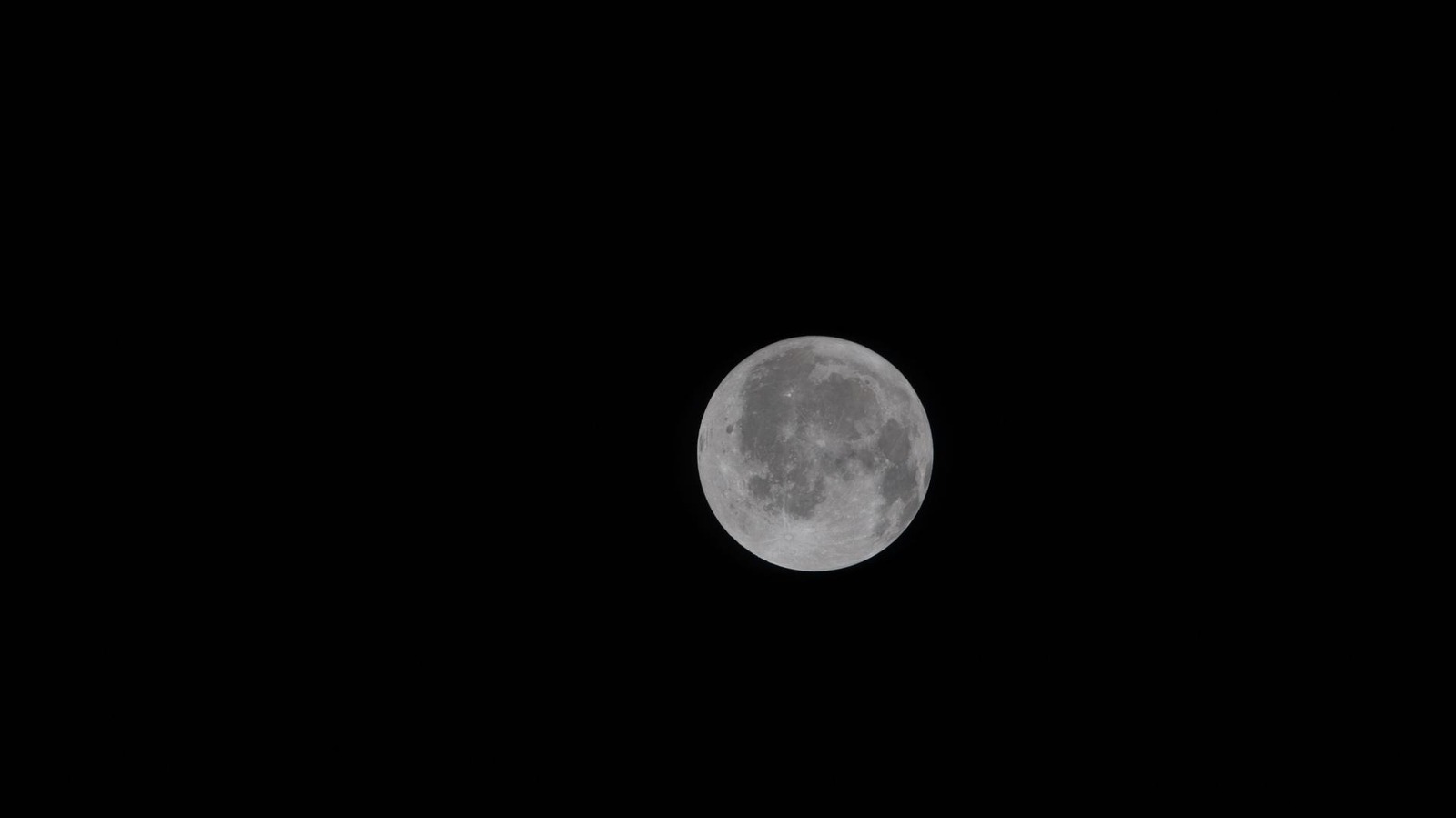
NASA is developing new batteries for lunar missions through its SPEARS project, aiming to overcome the limitations of current lithium-ion technology in extreme temperatures. These advanced batteries utilize solid electrolytes, making them more resilient to the Moon's vast temperature fluctuations, which can range from 212°F (100°C) in the day to -328°F (-200°C) at night. While initially designed for lunar and Martian environments, this technology could potentially find applications on Earth. AI

RANK_REASON The item describes a specific technological development for a niche application (space exploration) rather than a broad AI release or significant industry shift.

Read on Engadget →

AI-generated summary · Google Gemini · from 1 sources. How we write summaries →
NASA develops extreme-temperature batteries for Moon missions

How we ranked this

Signal score
5 / 100
Composite score across the factors below. Higher = stronger signal that this story matters right now.
Newsworthiness bucket
Tool
The item describes a specific technological development for a niche application (space exploration) rather than a broad AI release or significant industry shift.
Source corroboration
Single-source cluster
Only one publisher covered this so far. Single-source stories can still rank when the publisher is high-authority, but they lack cross-source corroboration.
Topics
infra, product
Editorial topic classification. Feeds into how the story surfaces on /topic/<slug> hub pages and into the per-entity coverage mix.
AI-industry relevance
Low
Off-topic or adjacent — cluster remains reachable but doesn't surface in AI-industry rankings.
Story freshness
Breaking (< 6h)
Fresh story with cross-source coverage still developing. Ranking may shift as more sources report.

Full methodology in our editorial standards.

COVERAGE [1]

  1. Engadget TIER_1 English(EN) · [email protected] (Anna Washenko) ·

    NASA explains how it's making batteries for the Moon's extreme temperatures

    Lithium-ion just isn't cut out for the cosmos.