PulseAugur
EN
LIVE 15:59:09

Kioxia launches high-density E1.L SSDs for hyperscalers up to 122.88TB

Kioxia has introduced its new LD4-series SSDs in an E1.L form factor, designed for hyperscale data centers and offering capacities up to 122.88TB. These drives utilize BiCS8 3D QLC NAND and are optimized for read-intensive workloads such as AI data repositories and object storage. The SSDs comply with NVMe 2.0e and OCP Datacenter NVMe SSD specification 2.6, operating at PCIe 4.0 x4 speeds, and are notable for their compact, elongated design that maximizes storage density in servers. AI

IMPACT Enables denser, higher-capacity storage solutions crucial for AI training and data repositories.

RANK_REASON This is a product launch for storage hardware, not a core AI model or research.

Read on Tom's Hardware →

AI-generated summary · Google Gemini · from 1 sources. How we write summaries →
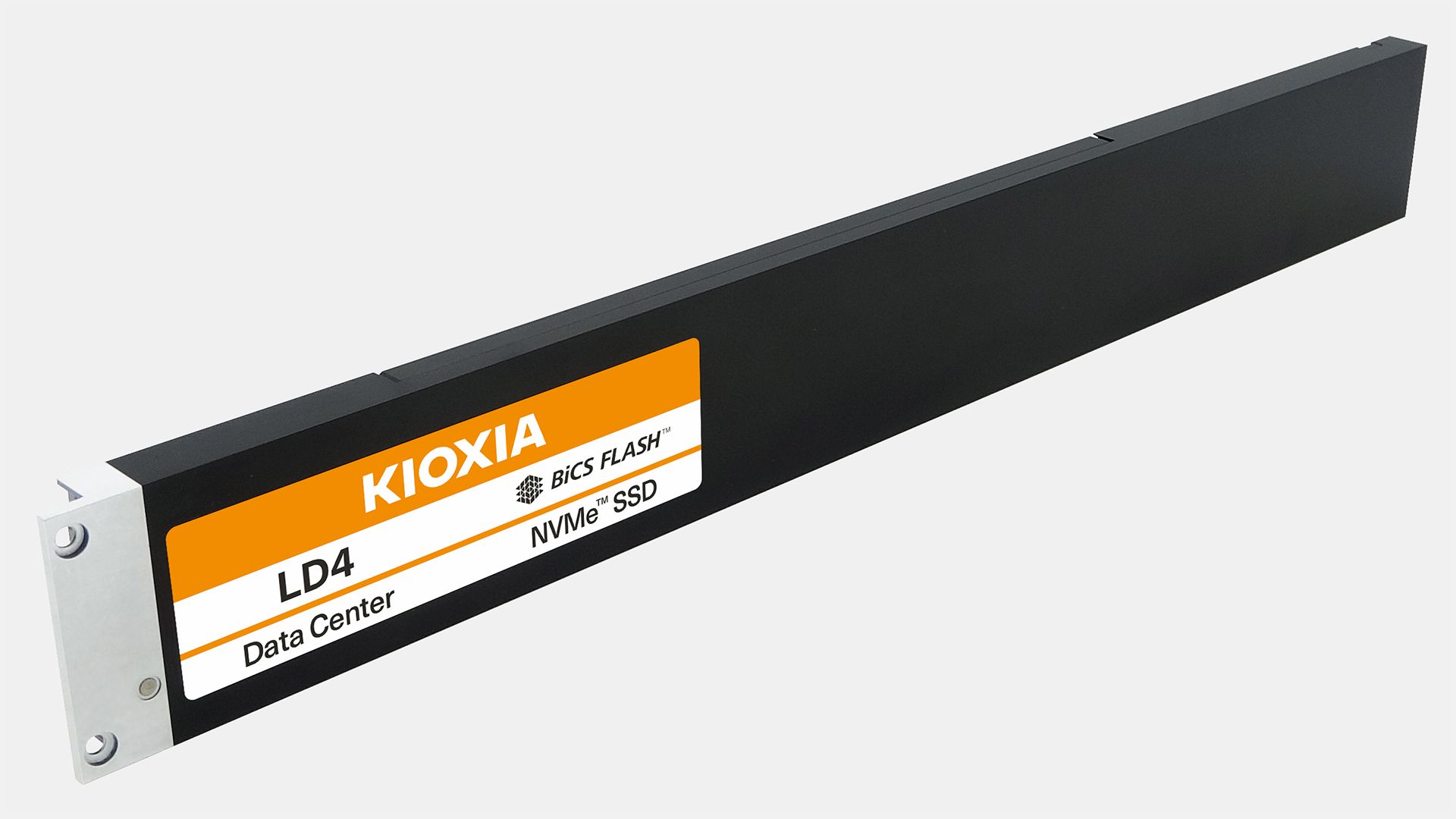
Kioxia launches high-density E1.L SSDs for hyperscalers up to 122.88TB

How we ranked this

Signal score
0 / 100
Composite score across the factors below. Higher = stronger signal that this story matters right now.
Newsworthiness bucket
Tool
This is a product launch for storage hardware, not a core AI model or research.
Source corroboration
Single-source cluster
Only one publisher covered this so far. Single-source stories can still rank when the publisher is high-authority, but they lack cross-source corroboration.
Topics
infra
Editorial topic classification. Feeds into how the story surfaces on /topic/<slug> hub pages and into the per-entity coverage mix.
AI-industry relevance
High
Clearly on-topic for AI-industry coverage.
Story freshness
3 days old
Aged out of breaking-news scoring windows; ranking reflects the durable signal from the full source set.

Full methodology in our editorial standards.

COVERAGE [1]

  1. Tom's Hardware TIER_1 English(EN) · Anton Shilov ·

    Kioxia unveils E1.L SSDs for hyperscalers with up to 122.88TB capacity

    Kioxia's LD4-series SSDs can store up to 122.88TB of data in a compact form-factor, but its performance remains a mystery.