PulseAugur
EN
LIVE 03:46:27

New Linux tech CRAM compresses RAM for massive speedups

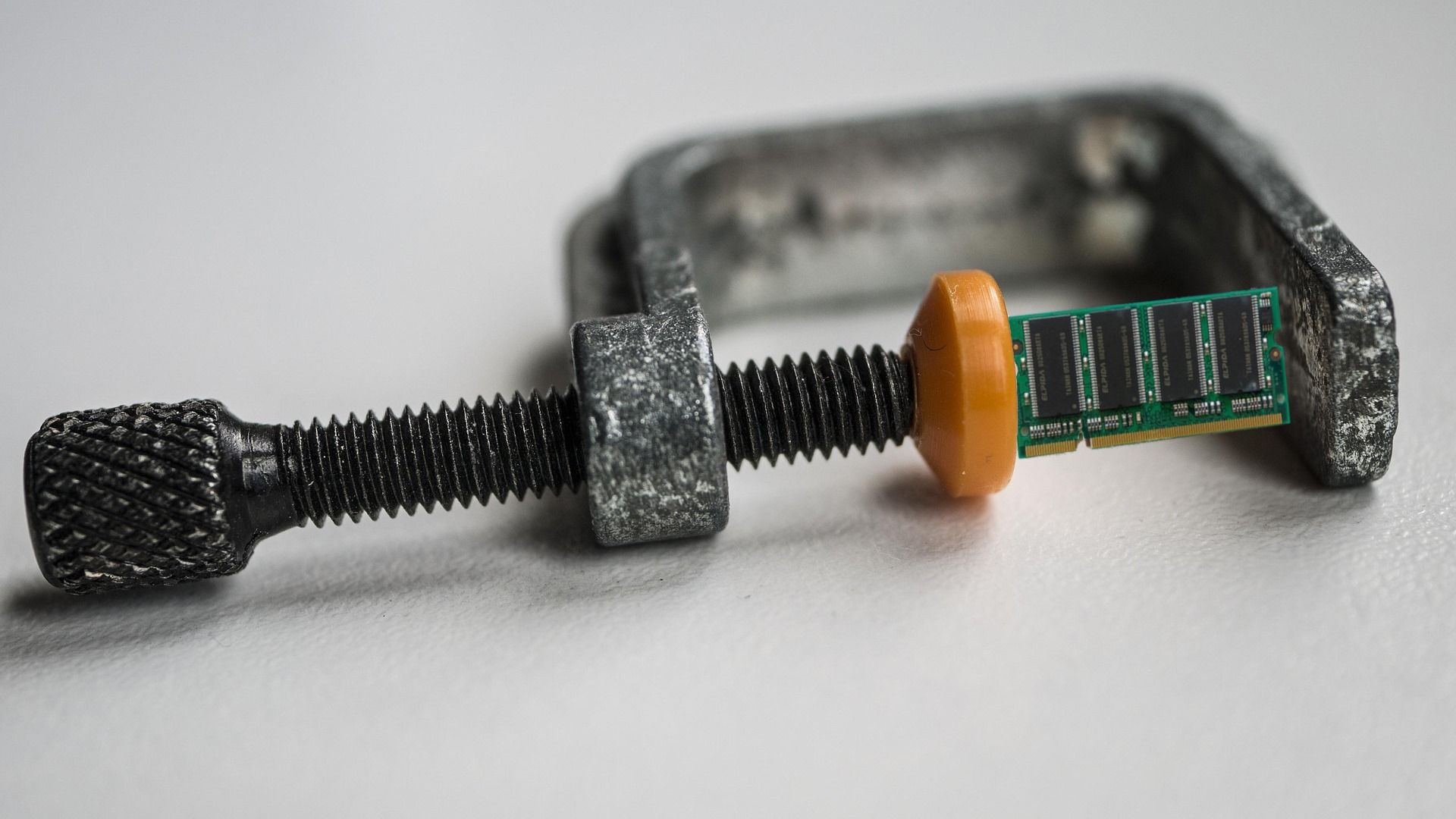
A new Linux technology called CRAM has been developed to compress data directly in RAM, offering a significant performance improvement over existing methods like ZRAM. Conceptualized by Gregory Price and his team at Meta, CRAM avoids traditional swapping by keeping compressed data in memory and utilizes a private NUMA node for faster access. While CRAM demonstrates up to a 452x speedup in read-only operations compared to ZRAM, it still faces challenges in managing writes and determining compressibility, which are areas of ongoing research. AI

IMPACT This memory compression technique could indirectly benefit AI workloads by increasing the effective RAM available for large models and datasets.

RANK_REASON New technical approach to memory compression in Linux. [lever_c_demoted from research: ic=1 ai=0.4]

Read on Tom's Hardware →

AI-generated summary · Google Gemini · from 1 sources. How we write summaries →
New Linux tech CRAM compresses RAM for massive speedups

How we ranked this

Signal score
2 / 100
Composite score across the factors below. Higher = stronger signal that this story matters right now.
Newsworthiness bucket
Tool
New technical approach to memory compression in Linux. [lever_c_demoted from research: ic=1 ai=0.4]
Source corroboration
Single-source cluster
Only one publisher covered this so far. Single-source stories can still rank when the publisher is high-authority, but they lack cross-source corroboration.
Topics
infra, other
Editorial topic classification. Feeds into how the story surfaces on /topic/<slug> hub pages and into the per-entity coverage mix.
AI-industry relevance
Standard
On-topic for AI-industry coverage; kept in the public index.
Story freshness
Same-day
Cluster formed today. Ranking reflects the current source set at time of score.

Full methodology in our editorial standards.

COVERAGE [1]

  1. Tom's Hardware TIER_1 English(EN) · Zak Killian ·

    New Linux tech compresses memory in RAM, as RAM, for 452x speedup

    The new method allows access using standard memory semantics instead of as a block device, drastically improving performance.