PulseAugur
EN
LIVE 03:02:57

Remora fish found entering manta ray cloaca and gills

New research has revealed that remora fish engage in surprisingly intimate and potentially harmful behaviors with manta rays. Scientists observed remoras entering the cloaca, or "butt hole," of manta rays, an opening used for digestion and reproduction. Additionally, remoras were documented attaching to gill slits and causing injuries, leading researchers to reconsider the traditional view of this relationship as purely commensal or mutualistic. AI

RANK_REASON New scientific findings published in a study about animal behavior. [lever_c_demoted from research: ic=1 ai=0.0]

Read on Forbes — Innovation →

AI-generated summary · Google Gemini · from 1 sources. How we write summaries →
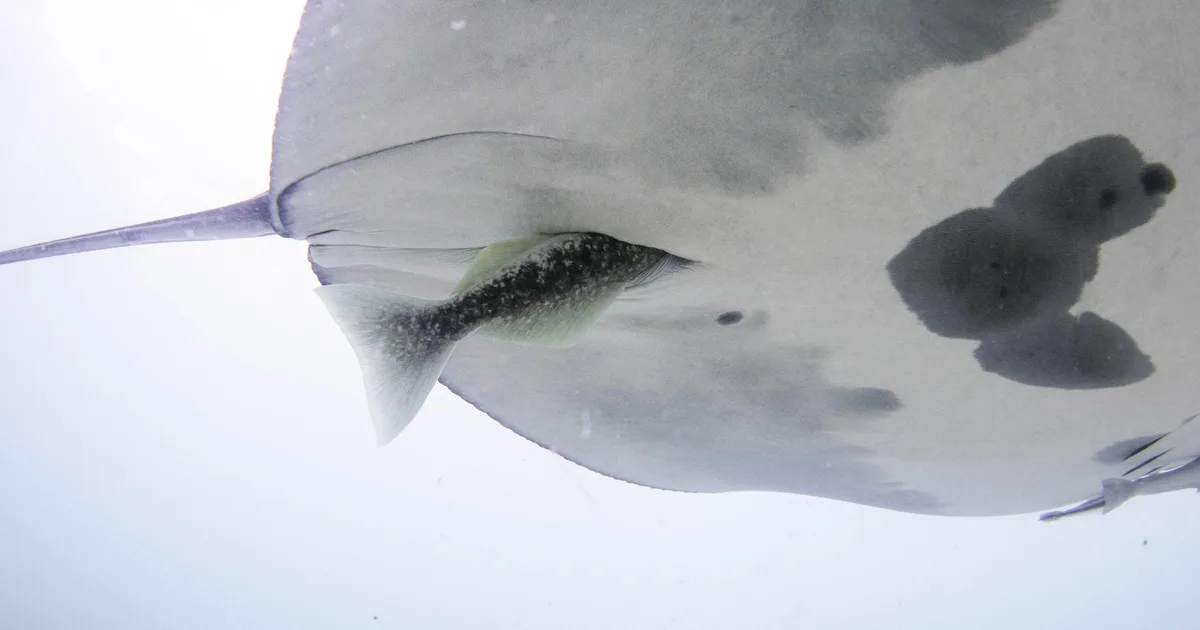
Remora fish found entering manta ray cloaca and gills

How we ranked this

Signal score
0 / 100
Composite score across the factors below. Higher = stronger signal that this story matters right now.
Newsworthiness bucket
Tool
New scientific findings published in a study about animal behavior. [lever_c_demoted from research: ic=1 ai=0.0]
Source corroboration
Single-source cluster
Only one publisher covered this so far. Single-source stories can still rank when the publisher is high-authority, but they lack cross-source corroboration.
Topics
other
Editorial topic classification. Feeds into how the story surfaces on /topic/<slug> hub pages and into the per-entity coverage mix.
AI-industry relevance
Low
Off-topic or adjacent — cluster remains reachable but doesn't surface in AI-industry rankings.
Story freshness
149 days old
Aged out of breaking-news scoring windows; ranking reflects the durable signal from the full source set.

Full methodology in our editorial standards.

COVERAGE [1]

  1. Forbes — Innovation TIER_1 English(EN) · Melissa Cristina Márquez, Contributor ·

    Remoras Are Diving Into Manta Ray “Buttholes.” Really.

    Remoras have long been seen as harmless hitchhikers. But new observations suggest these relationships may be far more invasive, and complicated, than scientists once thought.