PulseAugur
EN
LIVE 07:58:40

New Beijing swan goose population linked to climate change and farming

A new study has identified a genetically distinct population of Beijing swan geese that has emerged in China over the past century. Researchers from the CAS Institute of Zoology attribute this development to environmental changes, including climate warming, the expansion of rice fields, and the growth of irrigated agriculture in the Beijing region. AI

RANK_REASON The cluster reports on a scientific study detailing the emergence of a new, genetically distinct animal population. [lever_c_demoted from research: ic=1 ai=0.1]

Read on SCMP — Tech →

AI-generated summary · Google Gemini · from 1 sources. How we write summaries →
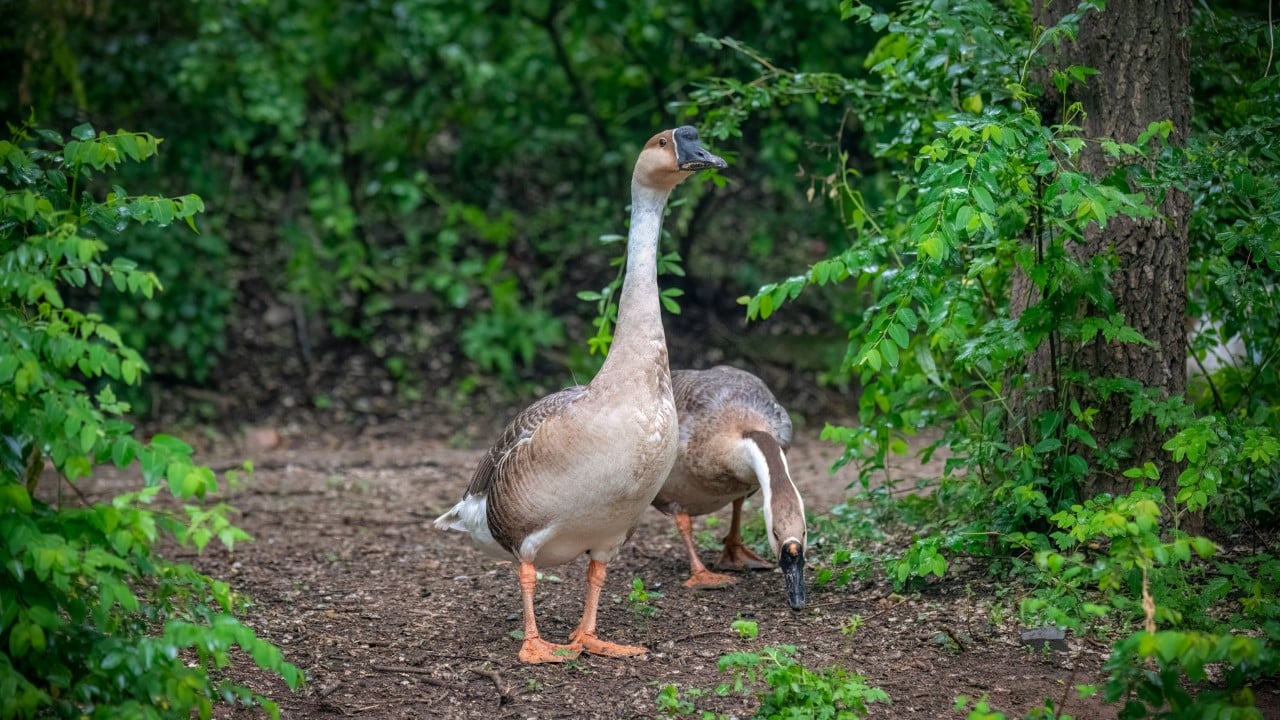
New Beijing swan goose population linked to climate change and farming

How we ranked this

Signal score
2 / 100
Composite score across the factors below. Higher = stronger signal that this story matters right now.
Newsworthiness bucket
Tool
The cluster reports on a scientific study detailing the emergence of a new, genetically distinct animal population. [lever_c_demoted from research: ic=1 ai=0.1]
Source corroboration
Single-source cluster
Only one publisher covered this so far. Single-source stories can still rank when the publisher is high-authority, but they lack cross-source corroboration.
Topics
other
Editorial topic classification. Feeds into how the story surfaces on /topic/<slug> hub pages and into the per-entity coverage mix.
AI-industry relevance
Low
Off-topic or adjacent — cluster remains reachable but doesn't surface in AI-industry rankings.
Story freshness
Breaking (< 6h)
Fresh story with cross-source coverage still developing. Ranking may shift as more sources report.

Full methodology in our editorial standards.

COVERAGE [1]

  1. SCMP — Tech TIER_1 English(EN) · Dannie Peng ·

    Climate change and farming gave rise to ‘genetically distinct’ Beijing swan goose: study

    Climate change and agricultural development have brought a new goose population to China with unique migratory patterns, a study has found. In an article on the Chinese Academy of Sciences website, researchers from the CAS Institute of Zoology said they had discovered a “genetica…