PulseAugur
EN
LIVE 02:23:28

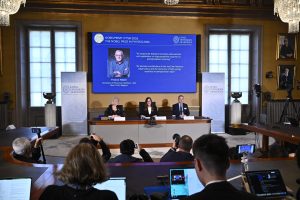
Francis Halzen wins Nobel Prize in Physics for neutrino research

Francis Halzen has been awarded the Nobel Prize in Physics for his pioneering work in neutrino astronomy, specifically for his instrumental role in the development of the IceCube Neutrino Observatory. This observatory, located in Antarctica, utilizes the vast ice sheet as a detector to capture rare collisions of neutrinos, enabling scientists to study these elusive particles and gain insights into the evolution of the universe. The award recognizes Halzen's significant contributions to understanding the cosmos through its smallest components. AI

RANK_REASON Nobel Prize awarded for scientific research. [lever_c_demoted from research: ic=1 ai=0.1]

Read on Fortune →

AI-generated summary · Google Gemini · from 1 sources. How we write summaries →
Francis Halzen wins Nobel Prize in Physics for neutrino research

How we ranked this

Signal score
0 / 100
Composite score across the factors below. Higher = stronger signal that this story matters right now.
Newsworthiness bucket
Tool
Nobel Prize awarded for scientific research. [lever_c_demoted from research: ic=1 ai=0.1]
Source corroboration
Single-source cluster
Only one publisher covered this so far. Single-source stories can still rank when the publisher is high-authority, but they lack cross-source corroboration.
Topics
paper, other
Editorial topic classification. Feeds into how the story surfaces on /topic/<slug> hub pages and into the per-entity coverage mix.
AI-industry relevance
Low
Off-topic or adjacent — cluster remains reachable but doesn't surface in AI-industry rankings.
Story freshness
Same-day
Cluster formed today. Ranking reflects the current source set at time of score.

Full methodology in our editorial standards.

COVERAGE [1]

  1. Fortune TIER_1 English(EN) · Kostya Manenkov, Adithi Ramakrishnan, Stefanie Dazio ·

    Trillions of ‘ghost particles’ pass through your body every second. The scientist who hunts them just won the Nobel Prize

    Francis Halzen turned Antarctic ice into a giant detector for elusive neutrinos, with sensors buried 8,200 feet below the surface.