PulseAugur
EN
LIVE 21:09:30

VSync explained: How it works, its trade-offs, and alternatives

VSync, or vertical synchronization, is a graphics setting designed to eliminate screen tearing by synchronizing the GPU's frame output with the monitor's refresh rate. While it can prevent visual artifacts and reduce GPU workload, VSync can introduce input lag and stuttering if frame rates drop below the monitor's refresh rate. For a smoother experience with fewer drawbacks, technologies like AMD's FreeSync and Nvidia's G-Sync offer variable refresh rates that dynamically adjust to the GPU's output, though they require compatible hardware. AI

RANK_REASON Article explains a specific graphics technology and its alternatives.

Read on Engadget →

AI-generated summary · Google Gemini · from 1 sources. How we write summaries →
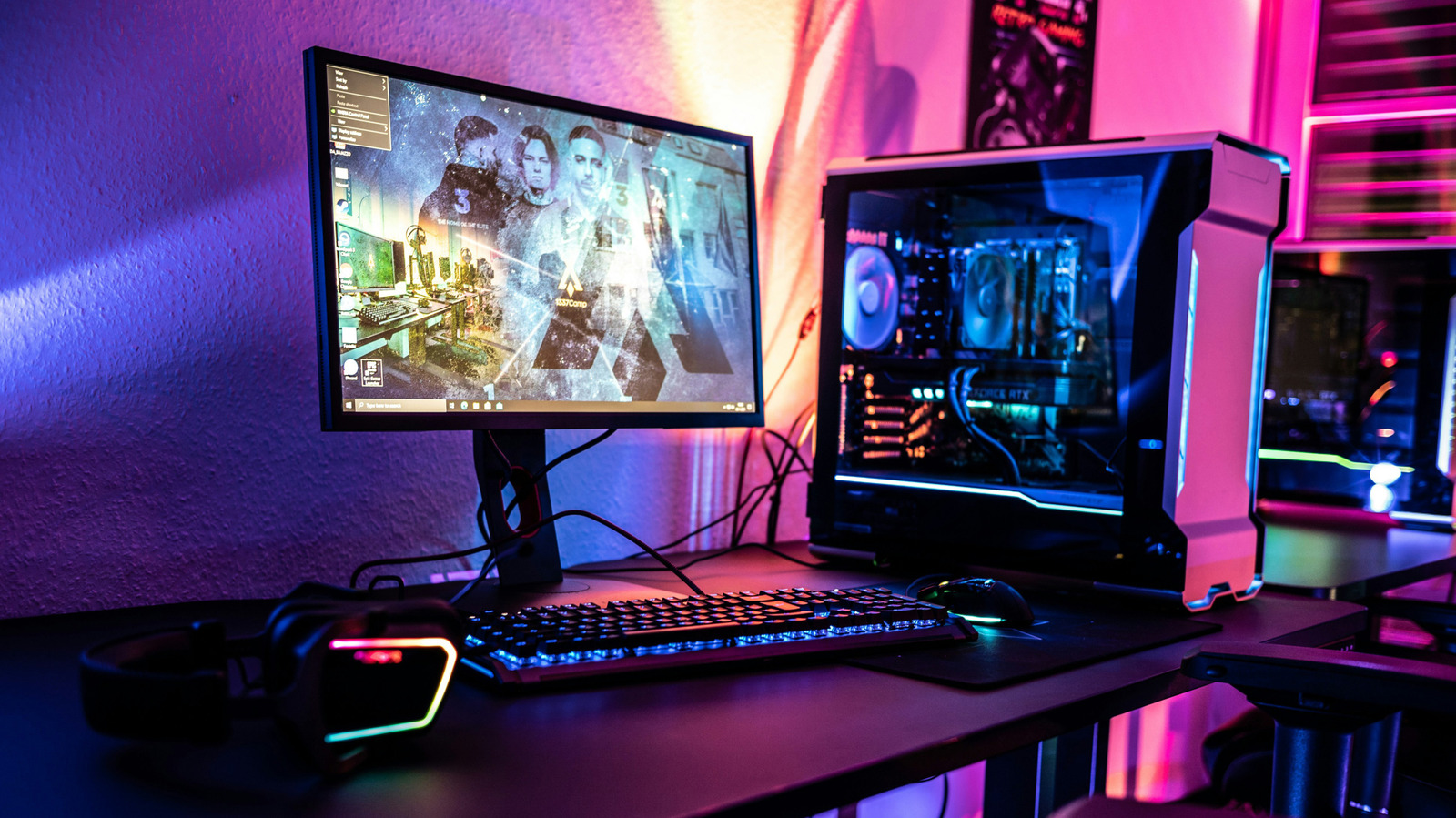
VSync explained: How it works, its trade-offs, and alternatives

How we ranked this

Signal score
2 / 100
Composite score across the factors below. Higher = stronger signal that this story matters right now.
Newsworthiness bucket
Tool
Article explains a specific graphics technology and its alternatives.
Source corroboration
Single-source cluster
Only one publisher covered this so far. Single-source stories can still rank when the publisher is high-authority, but they lack cross-source corroboration.
Topics
product, infra
Editorial topic classification. Feeds into how the story surfaces on /topic/<slug> hub pages and into the per-entity coverage mix.
AI-industry relevance
Low
Off-topic or adjacent — cluster remains reachable but doesn't surface in AI-industry rankings.
Story freshness
Breaking (< 6h)
Fresh story with cross-source coverage still developing. Ranking may shift as more sources report.

Full methodology in our editorial standards.

COVERAGE [1]

  1. Engadget TIER_1 English(EN) · [email protected] (Will Shanklin) ·

    What does V-Sync actually do to your PC's frames per second?

    It can fix some problems, but create others.