PulseAugur
EN
LIVE 21:28:38

FDM 3D printing explained: How it works and its common materials

Fused Deposition Modeling (FDM) is a widely used 3D printing technology that constructs objects by layering melted thermoplastic filaments. This process typically starts with a computer-aided design (CAD) file, which guides the printer's heated nozzle to deposit filament onto a build plate, layer by layer. FDM printers offer a cost-effective and rapid method for prototyping and creating parts, compatible with a variety of materials like PLA, ABS, and PETG. AI

IMPACT Provides insight into a common 3D printing method, useful for understanding manufacturing processes.

RANK_REASON Article explains a specific 3D printing technology (FDM) and its materials, which is a type of product/tool explanation.

Read on Engadget →

AI-generated summary · Google Gemini · from 1 sources. How we write summaries →
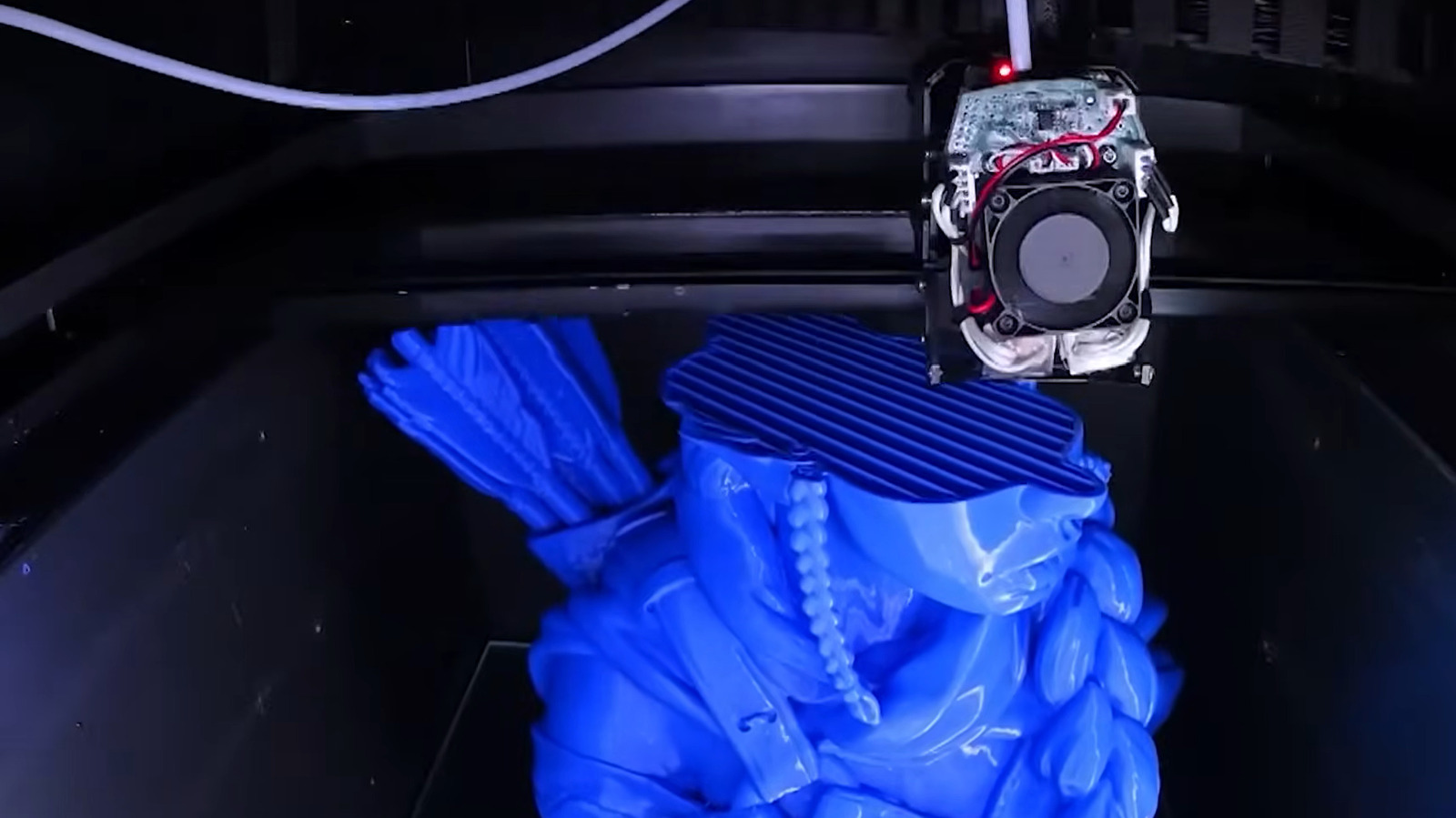
FDM 3D printing explained: How it works and its common materials

How we ranked this

Signal score
1 / 100
Composite score across the factors below. Higher = stronger signal that this story matters right now.
Newsworthiness bucket
Tool
Article explains a specific 3D printing technology (FDM) and its materials, which is a type of product/tool explanation.
Source corroboration
Single-source cluster
Only one publisher covered this so far. Single-source stories can still rank when the publisher is high-authority, but they lack cross-source corroboration.
Topics
product, infra
Editorial topic classification. Feeds into how the story surfaces on /topic/<slug> hub pages and into the per-entity coverage mix.
AI-industry relevance
Low
Off-topic or adjacent — cluster remains reachable but doesn't surface in AI-industry rankings.
Story freshness
Same-day
Cluster formed today. Ranking reflects the current source set at time of score.

Full methodology in our editorial standards.

COVERAGE [1]

  1. Engadget TIER_1 English(EN) · [email protected] (Alec Hively) ·

    What does FDM stand for in 3D printing and how does it work?

    FDM stands for fused deposition modeling, but what does that mean, and how does it differ from other 3D printing methods? Let's find out.