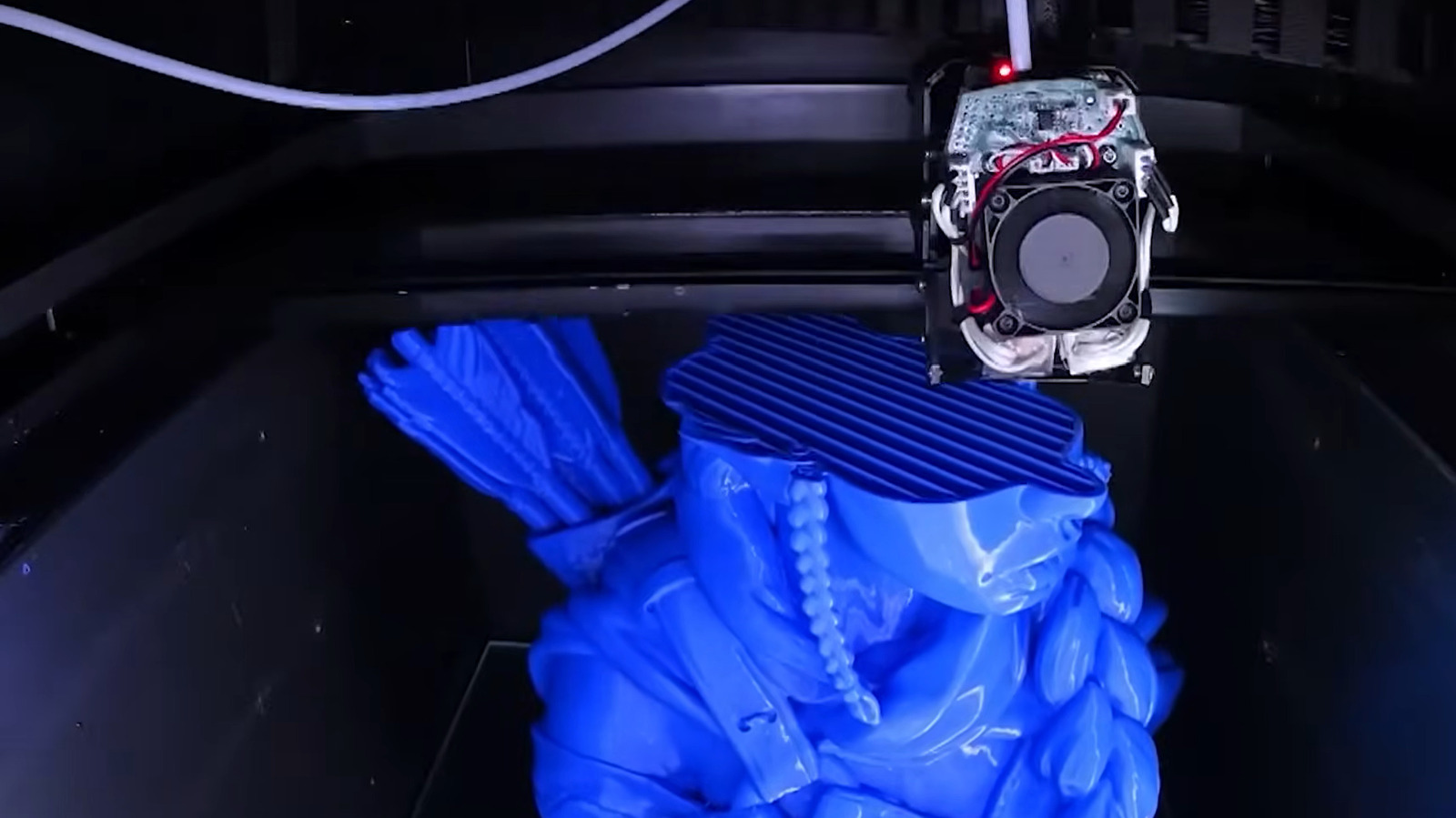
Fused Deposition Modeling (FDM) is a widely used 3D printing technology that constructs objects by layering melted thermoplastic filaments. This process typically starts with a computer-aided design (CAD) file, which guides the printer's heated nozzle to deposit filament onto a build plate, layer by layer. FDM printers offer a cost-effective and rapid method for prototyping and creating parts, compatible with a variety of materials like PLA, ABS, and PETG. AI
IMPACT Provides insight into a common 3D printing method, useful for understanding manufacturing processes.
RANK_REASON Article explains a specific 3D printing technology (FDM) and its materials, which is a type of product/tool explanation.
- absolutive case
- acrylonitrile butadiene styrene
- computer-aided design
- fdm
- fused filament fabrication
- high-density polyethylene
- Pett
- polyethylene co-trimethylene terephthalate
- polyethylene terephthalate glycol
- polylactic acid
- thermoplastic polyurethane
AI-generated summary · Google Gemini · from 1 sources. How we write summaries →