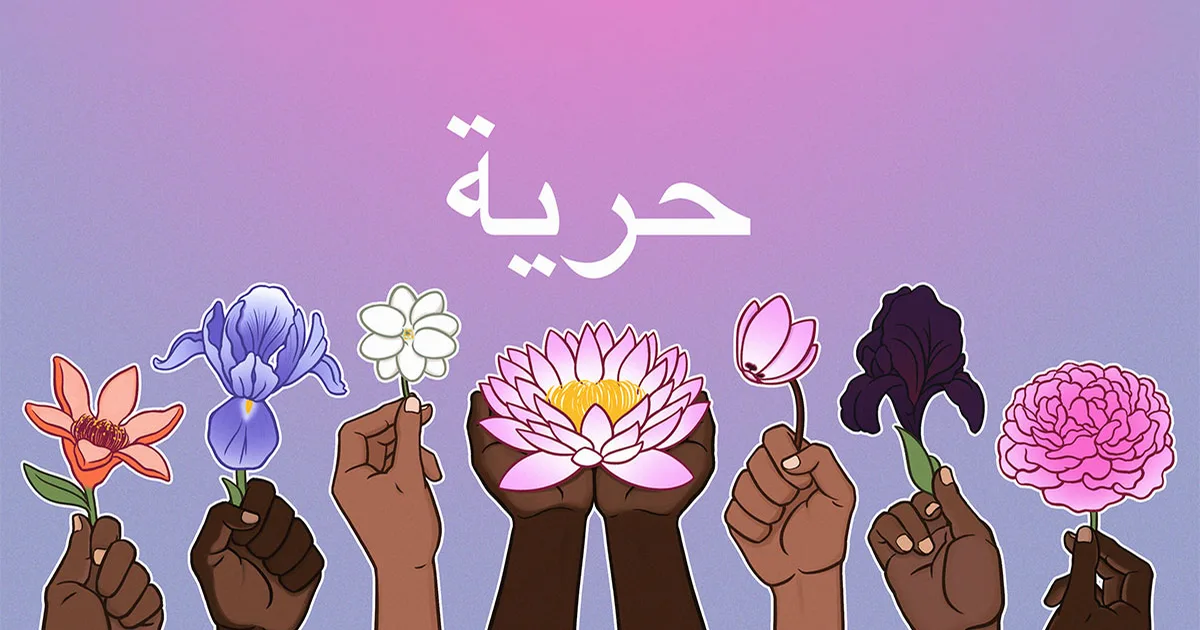
A series of articles reflects on the digital legacy of the 2011 Arab Spring, noting how the internet initially fostered democratic hopes but has since evolved into a tool for state control and surveillance. While digital platforms enabled activists to mobilize and disseminate information across borders, governments have become increasingly sophisticated in their use of censorship, monitoring, and content manipulation. This has led to a cycle where new tactics for digital resistance are met with more advanced methods of repression, fundamentally altering the landscape of online expression and activism. AI
IMPACT Reflects on how digital tools, including social media, have evolved from instruments of activism to tools of state surveillance and control.
RANK_REASON The cluster consists of translated articles reflecting on past events and their long-term consequences, rather than reporting on new developments.
Read on Mastodon — mastodon.social →
- Arab Spring
- Egypt
- EFF
- Freedom House
- Hosni Mubarak
- Jillian C. York
- Mohamed Bouazizi
- Morocco
- Syria
- Tunisia
- YouTube
- Zine El Abidine Ben Ali
AI-generated summary · Google Gemini · from 1 sources. How we write summaries →