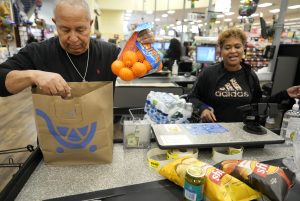
A growing number of Americans are using Buy Now, Pay Later (BNPL) services for essential purchases like groceries, a trend that economists warn could lead to higher prices for all consumers. Retailers, facing merchant fees from BNPL providers, may increase prices to offset these costs, effectively subsidizing financed purchases. This reliance on BNPL for necessities, originally intended for discretionary items, could also pressure retailers to reduce inventory or stock fewer profitable goods, limiting consumer choice. AI
RANK_REASON Article discusses economic implications and research findings related to consumer behavior and retail pricing, rather than a direct product release or policy change.
- Affirm
- Afterpay
- Federal Reserve Bank of Richmond
- Fortune
- Klarna
- Lending Tree
- Management Science
- Olin Business School
- Panos Kouvelis
- University of Washington in St. Louis
- U.S.
AI-generated summary · Google Gemini · from 1 sources. How we write summaries →