PulseAugur
EN
LIVE 06:40:27

Brain activity marker identified for alcohol relapse risk

Researchers have identified a potential marker in the brain associated with increased compulsive drinking after periods of alcohol abstinence. Studies on lab mice revealed that heightened activity in the bed nucleus of the stria terminalis (BNST) preceded attempts to drink alcohol, even when it was made bitter or replaced with water. This suggests that screening for BNST activity could help identify individuals at high risk of relapse from alcohol use disorder, a significant public health challenge in the United States. AI

RANK_REASON Research paper detailing findings on brain activity related to alcohol relapse. [lever_c_demoted from research: ic=1 ai=0.1]

Read on Fortune →

AI-generated summary · Google Gemini · from 1 sources. How we write summaries →
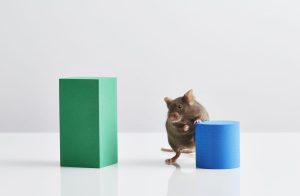
Brain activity marker identified for alcohol relapse risk

How we ranked this

Signal score
0 / 100
Composite score across the factors below. Higher = stronger signal that this story matters right now.
Newsworthiness bucket
Tool
Research paper detailing findings on brain activity related to alcohol relapse. [lever_c_demoted from research: ic=1 ai=0.1]
Source corroboration
Single-source cluster
Only one publisher covered this so far. Single-source stories can still rank when the publisher is high-authority, but they lack cross-source corroboration.
Topics
other
Editorial topic classification. Feeds into how the story surfaces on /topic/<slug> hub pages and into the per-entity coverage mix.
AI-industry relevance
Low
Off-topic or adjacent — cluster remains reachable but doesn't surface in AI-industry rankings.
Story freshness
Same-day
Cluster formed today. Ranking reflects the current source set at time of score.

Full methodology in our editorial standards.

COVERAGE [1]

  1. Fortune TIER_1 English(EN) · Danny G. Winder, Marie Doyle, The Conversation ·

    Alcoholic lab mice are helping scientists unlock which part of the brain makes us want to drink

    With nearly 30 million Americans living with alcohol use disorder, researchers say activity in a deep brain structure appears before cravings hit.