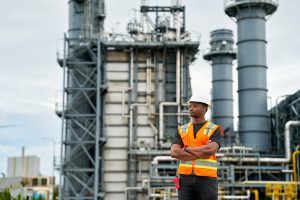
The U.S. energy sector is projected to require an additional 500,000 workers by 2030 to meet growing demands, according to a Goldman Sachs report. However, the current training pipeline is insufficient, with only 45,000 new entrants in 2024 when 65,000 are needed annually. The increasing demand for AI infrastructure, which itself requires significant power, could exacerbate this labor shortage. To bridge the gap, the sector may increasingly rely on autonomous equipment and humanoid robots, with the market for humanoids expected to grow substantially by 2035. AI
IMPACT Potential acceleration of humanoid robot adoption to fill labor gaps in critical infrastructure sectors like energy.
RANK_REASON Report detailing a significant labor shortage in a critical industry and potential solutions involving AI and robotics. [lever_c_demoted from significant: ic=1 ai=0.7]
- Deere & Company
- Department of Energy
- Goldman Sachs
- humanoid robots
- UBtech Robotics
- United States
- Unitree Robotics
- U.S.
AI-generated summary · Google Gemini · from 1 sources. How we write summaries →