PulseAugur
EN
LIVE 03:57:14

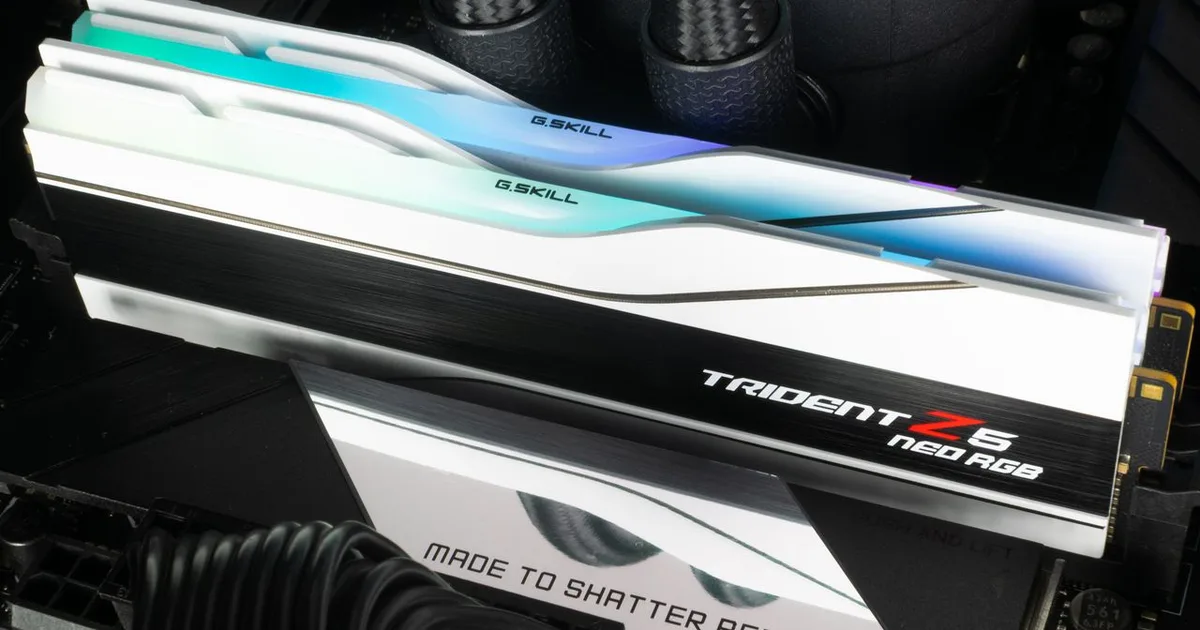
G.Skill settles $2.4M class action over misleading RAM speed marketing

G.Skill has begun distributing a $2.4 million settlement to consumers who purchased certain DDR4 and DDR5 memory kits. The class action lawsuit alleged that G.Skill misled customers by not clearly stating that advertised high speeds required overclocking. While G.Skill denied the claims, the settlement includes cash payouts ranging from $20 to $25 per claimant and requires the company to add explicit disclaimers about overclocking requirements to its packaging and product listings. AI

RANK_REASON Settlement of a class-action lawsuit regarding product marketing practices.

Read on Tom's Hardware →

AI-generated summary · Google Gemini · from 1 sources. How we write summaries →
G.Skill settles $2.4M class action over misleading RAM speed marketing

How we ranked this

Signal score
0 / 100
Composite score across the factors below. Higher = stronger signal that this story matters right now.
Newsworthiness bucket
Tool
Settlement of a class-action lawsuit regarding product marketing practices.
Source corroboration
Single-source cluster
Only one publisher covered this so far. Single-source stories can still rank when the publisher is high-authority, but they lack cross-source corroboration.
Topics
policy, product
Editorial topic classification. Feeds into how the story surfaces on /topic/<slug> hub pages and into the per-entity coverage mix.
AI-industry relevance
Low
Off-topic or adjacent — cluster remains reachable but doesn't surface in AI-industry rankings.
Story freshness
46 days old
Aged out of breaking-news scoring windows; ranking reflects the durable signal from the full source set.

Full methodology in our editorial standards.

COVERAGE [1]

  1. Tom's Hardware TIER_1 English(EN) · Zhiye Liu ·

    G.Skill pays out $2.4M settlement over misleading DDR4 and DDR5 speed marketing — buyers get $20 to $25 as vendor agrees to XMP and EXPO packaging warnings

    G.Skill has started sending payments to claimants regarding the $2.4 million lawsuit over inadequately marketed RAM speeds.