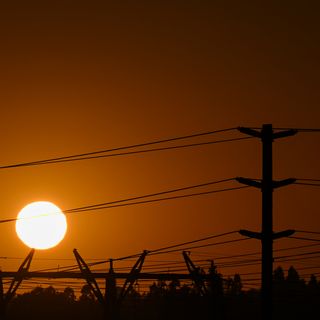
Extreme heat and wildfires are presenting significant challenges to the U.S. electric grid, forcing utilities to re-evaluate and upgrade their infrastructure. Prolonged high temperatures reduce the efficiency of grid components like air conditioners, transmission lines, and power plants, while also increasing electricity demand. Simultaneously, the growing threat of wildfires necessitates a focus on resilience, with utilities exploring solutions like undergrounding power lines and implementing microgrids, though these upgrades come with substantial costs. AI
IMPACT Requires significant investment in grid modernization and resilience to manage increasing climate-related stresses.
RANK_REASON The cluster discusses major infrastructure challenges and planning shifts for the U.S. electric grid due to climate change impacts (extreme heat and wildfires), which is a significant industry development. [lever_c_demoted from significant: ic=2 ai=0.4]
- California
- Federal Energy Regulatory Commission
- National Laboratory of the Rockies
- San Diego Gas & Electric
- Southern California Edison
- United States Bureau of Land Management
- United States Department of Energy
- United States Department of the Interior
- United States Forest Service
- University of Michigan
- U.S.
- Energy Impact Partners
- GRID
- Grid Strategies
- Michael Webber
- Rob Gramlich
AI-generated summary · Google Gemini · from 2 sources. How we write summaries →