PulseAugur
EN
LIVE 03:22:42

Iran war fuels K-shaped economy, hitting low-income Americans hardest at the pump

A new report from the Federal Reserve Bank of New York indicates that the recent surge in gas prices, exacerbated by the Iran war, has disproportionately impacted lower-income Americans. Despite reducing their gas consumption, these households spent significantly more on fuel, worsening economic disparities. In contrast, higher-income households increased their gas spending with minimal changes to consumption, contributing to a K-shaped economic recovery. AI

RANK_REASON This article discusses economic impacts and disparities related to gas prices, not core AI developments.

Read on Fortune →

AI-generated summary · Google Gemini · from 1 sources. How we write summaries →
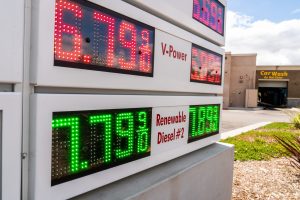
Iran war fuels K-shaped economy, hitting low-income Americans hardest at the pump

How we ranked this

Signal score
0 / 100
Composite score across the factors below. Higher = stronger signal that this story matters right now.
Newsworthiness bucket
Commentary
This article discusses economic impacts and disparities related to gas prices, not core AI developments.
Source corroboration
Single-source cluster
Only one publisher covered this so far. Single-source stories can still rank when the publisher is high-authority, but they lack cross-source corroboration.
Topics
other
Editorial topic classification. Feeds into how the story surfaces on /topic/<slug> hub pages and into the per-entity coverage mix.
AI-industry relevance
Low
Off-topic or adjacent — cluster remains reachable but doesn't surface in AI-industry rankings.
Story freshness
146 days old
Aged out of breaking-news scoring windows; ranking reflects the durable signal from the full source set.

Full methodology in our editorial standards.

COVERAGE [1]

  1. Fortune TIER_1 English(EN) · Christopher Rugaber, The Associated Press ·

    Iran War is hitting low-income Americans the hardest at the gas pump, New York Fed says

    Poorer households, defined as those earning less than $40,000, cut their gas consumption by 7%, the report found, but still spent 12% more on gas in March.