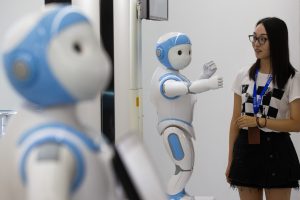
A recent study published in Science Robotics found that people tend to distrust humanoid robots more when they make mistakes, particularly if the robot is designed to be expressive. Participants who interacted with an animated robot that erred showed increased oxytocin levels and heightened brain activity in regions associated with social cognition and expectation monitoring. This suggests that expressiveness can shift a robot's error from a perceived technical malfunction to a social violation, akin to human mistakes, thereby reducing trust and influence. AI
IMPACT Robot expressiveness may hinder trust when errors occur, impacting adoption in social contexts.
RANK_REASON Study published in a scientific journal detailing research findings. [lever_c_demoted from research: ic=1 ai=0.7]
AI-generated summary · Google Gemini · from 1 sources. How we write summaries →