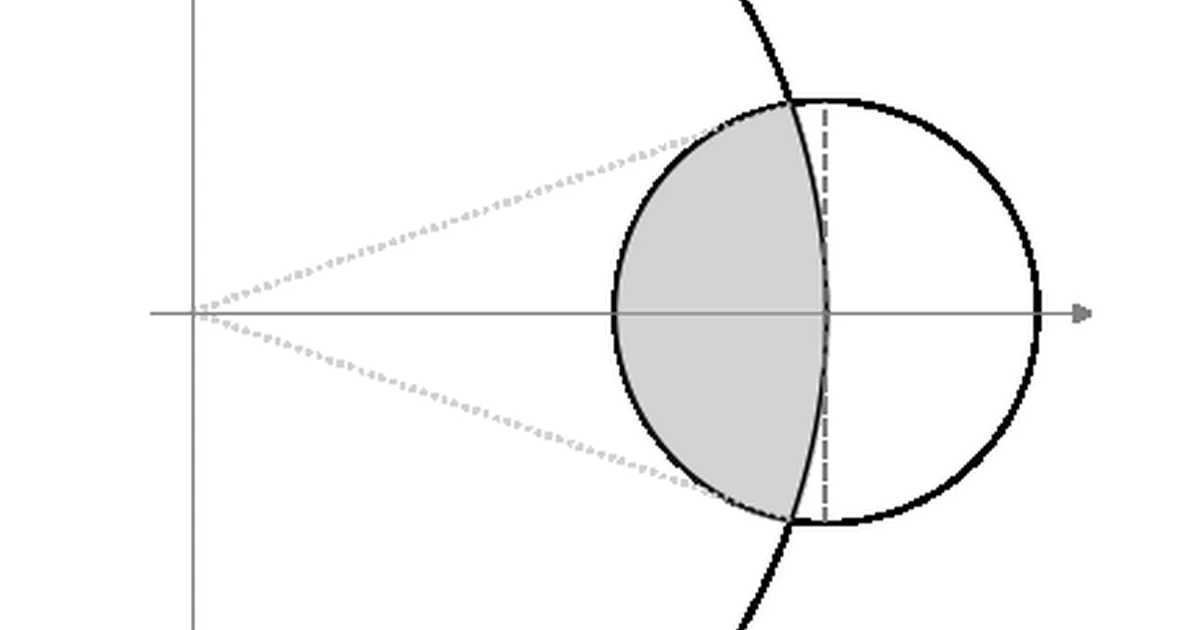
Stein's paradox, a counterintuitive statistical concept, demonstrates that in dimensions three and higher, a better estimate of a Gaussian distribution's mean can be achieved than simply using the drawn sample. The James-Stein estimator, which uses a specific formula involving the sample's magnitude and dimensionality, outperforms the naive approach in terms of mean squared error. This paradox challenges conventional statistical intuition, particularly regarding parameter estimation in higher-dimensional spaces. AI
RANK_REASON The item is a blog post explaining a statistical concept and theorem, not a new research release. [lever_c_demoted from research: ic=1 ai=0.4]
Read on HN — machine learning stories →
AI-generated summary · Google Gemini · from 1 sources. How we write summaries →