PulseAugur
EN
LIVE 13:10:30

SpaceX rocket stage to impact Moon, creating new crater

A defunct SpaceX rocket stage, launched over a year ago, is on an unavoidable collision course with the Moon, set to impact near Einstein Crater. The collision is expected to create a crater approximately 90 feet wide and 16 feet deep, ejecting dust and debris that scientists hope to observe. This event highlights growing concerns about space debris and the need for better orbital traffic management as lunar missions increase. AI

RANK_REASON The event is a scientific observation of a space debris impact, not a release from a frontier AI lab. [lever_c_demoted from research: ic=1 ai=0.1]

Read on Fortune →

AI-generated summary · Google Gemini · from 1 sources. How we write summaries →
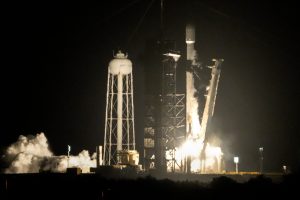
SpaceX rocket stage to impact Moon, creating new crater

How we ranked this

Signal score
0 / 100
Composite score across the factors below. Higher = stronger signal that this story matters right now.
Newsworthiness bucket
Tool
The event is a scientific observation of a space debris impact, not a release from a frontier AI lab. [lever_c_demoted from research: ic=1 ai=0.1]
Source corroboration
Single-source cluster
Only one publisher covered this so far. Single-source stories can still rank when the publisher is high-authority, but they lack cross-source corroboration.
Topics
other
Editorial topic classification. Feeds into how the story surfaces on /topic/<slug> hub pages and into the per-entity coverage mix.
AI-industry relevance
Low
Off-topic or adjacent — cluster remains reachable but doesn't surface in AI-industry rankings.
Story freshness
55 days old
Aged out of breaking-news scoring windows; ranking reflects the durable signal from the full source set.

Full methodology in our editorial standards.

COVERAGE [1]

  1. Fortune TIER_1 English(EN) · Marcia Dunn, The Associated Press ·

    A dead SpaceX rocket that’s been adrift for over a year is about to slam into the moon, carving out a new crater with the equivalent of 3 tons of TNT

    The stream of ejected material could stretch for several miles into space and remain visible to telescopes for tens of minutes.