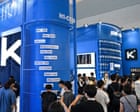
China's recent advancements in AI and robotics are creating significant disruption for US tech companies and policymakers. Open-source AI models from Chinese firms like Moonshot AI are challenging established players such as OpenAI and Anthropic, leading to internal debate within the US on how to respond. While some advocate for restrictions due to security concerns and intellectual property theft, others, including major tech firms and chip manufacturers, urge against limitations to maintain competitiveness and revenue opportunities. This has created a divided response within the White House and industry, with recent actions including a ban on Chinese humanoid robots due to national security risks. AI
IMPACT China's AI progress is forcing a global reckoning on open-source models, potentially reshaping competitive dynamics and prompting new regulatory frameworks.
RANK_REASON The cluster details significant geopolitical and industry-wide implications of China's AI advancements, including policy debates and competitive threats to major US tech firms. [lever_c_demoted from significant: ic=1 ai=1.0]
- Anthropic
- China
- Donald Trump
- Federal Communications Commission
- Howard Lutnick
- Jensen Huang
- Kimi k3
- Meta
- Microsoft
- Moonshot AI
- NVIDIA
- OpenAI
- Palantir
- Sam Altman
- Scott Bessent
- Silicon Valley
- Trump administration
- Unitree
- White House
AI-generated summary · Google Gemini · from 1 sources. How we write summaries →