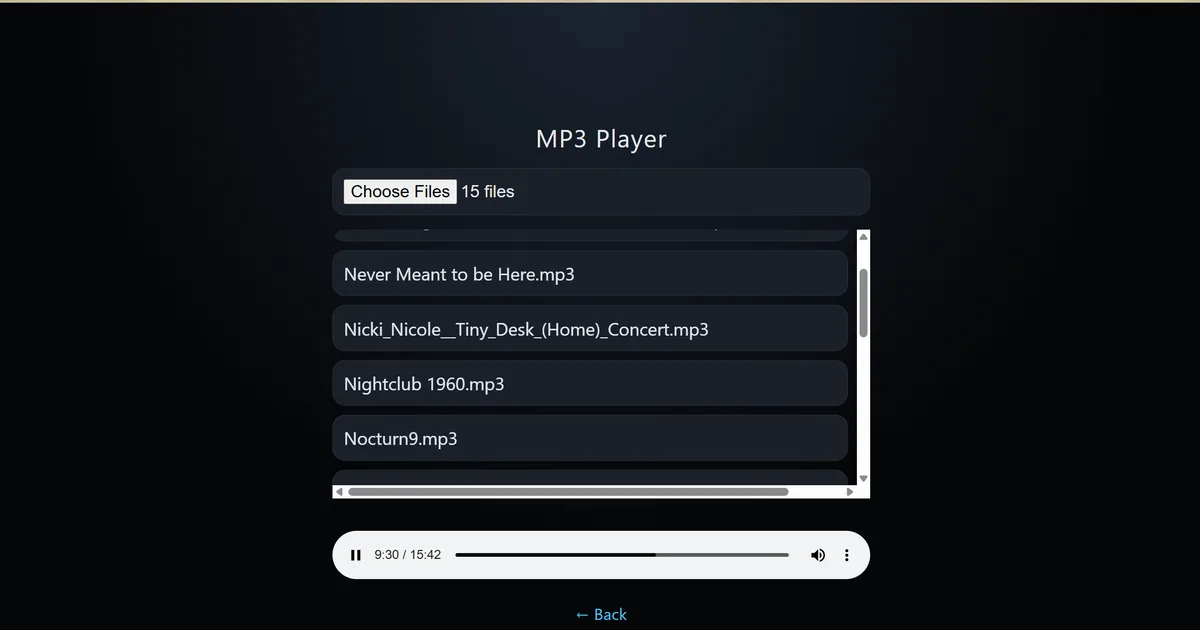
The author explored the web serving capabilities of the ESP32-S3 N16R9 microcontroller by developing nine small applications in a single day with the assistance of Copilot. Initial tests revealed that the microcontroller's AP mode is slow due to a weak antenna, while STA mode is more reliable when routing through a stronger Wi-Fi device. An external antenna is planned to improve performance. AI
IMPACT Demonstrates the utility of AI coding assistants like Copilot in rapid prototyping and testing of embedded systems.
RANK_REASON The item discusses the use of a specific microcontroller and an AI coding assistant for developing small applications, which falls under tooling and infrastructure rather than a core AI release or significant industry event.
Read on Mastodon — fosstodon.org →
AI-generated summary · Google Gemini · from 1 sources. How we write summaries →