PulseAugur
EN
LIVE 11:33:47

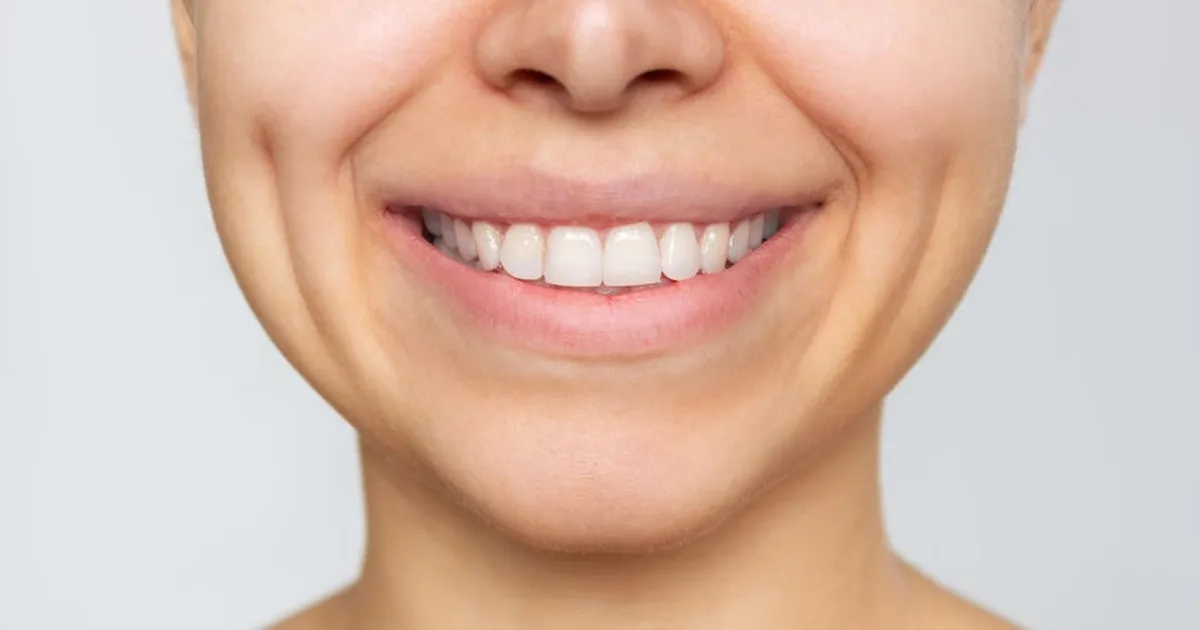
Smile dimples: Not a simple gene, but a muscle variation

Contrary to common belief, smile dimples are not caused by a single dominant gene but rather by an anatomical variation in the zygomaticus major muscle. This muscle, which typically runs unbroken from the cheekbone to the lip, splits in some individuals, causing one slip to attach to the skin and pull it inward when smiling. While this trait appears in about one in five people, its inheritance pattern is complex, influenced by multiple genes and developmental chance rather than a simple Mendelian model. AI

RANK_REASON The item discusses a common biological trait and corrects a widely held misconception about its genetic basis, fitting the definition of commentary on a scientific topic.

Read on Forbes — Innovation →

AI-generated summary · Google Gemini · from 1 sources. How we write summaries →
Smile dimples: Not a simple gene, but a muscle variation

How we ranked this

Signal score
0 / 100
Composite score across the factors below. Higher = stronger signal that this story matters right now.
Newsworthiness bucket
Commentary
The item discusses a common biological trait and corrects a widely held misconception about its genetic basis, fitting the definition of commentary on a scientific topic.
Source corroboration
Single-source cluster
Only one publisher covered this so far. Single-source stories can still rank when the publisher is high-authority, but they lack cross-source corroboration.
Topics
other
Editorial topic classification. Feeds into how the story surfaces on /topic/<slug> hub pages and into the per-entity coverage mix.
AI-industry relevance
Low
Off-topic or adjacent — cluster remains reachable but doesn't surface in AI-industry rankings.
Story freshness
48 days old
Aged out of breaking-news scoring windows; ranking reflects the durable signal from the full source set.

Full methodology in our editorial standards.

COVERAGE [1]

  1. Forbes — Innovation TIER_1 English(EN) · Scott Travers, Contributor ·

    A Biologist Explains Why Some People Have Smile Dimples

    Smile dimples aren't caused by a dominant gene — a biologist explains the muscle quirk behind them, and two surprising body parts that work the same way.