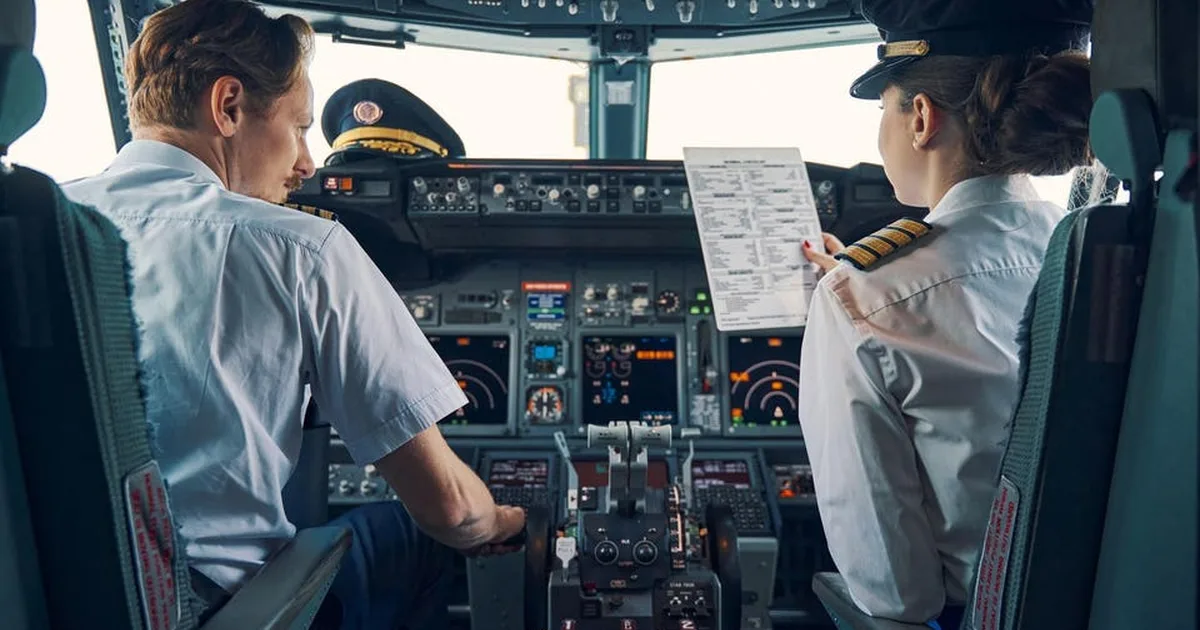
The increasing reliance on AI tools in high-risk professions like medicine presents a significant risk of skill decay among human operators. While AI can reduce documentation burden, the process of reviewing machine-generated summaries may erode a professional's ability to distill information and make critical judgments independently. Experts in fields like aviation and radiology emphasize that maintaining human expertise, including understanding failure modes of both humans and AI, is a crucial component of safety architecture, not merely a backup system. AI
IMPACT AI integration in critical fields may lead to a decline in essential human skills, necessitating new safety protocols that account for both AI fallibility and human expertise.
RANK_REASON The article discusses the potential negative impacts of AI on human expertise and safety protocols, framing it as an opinion piece rather than a factual announcement.
AI-generated summary · Google Gemini · from 1 sources. How we write summaries →