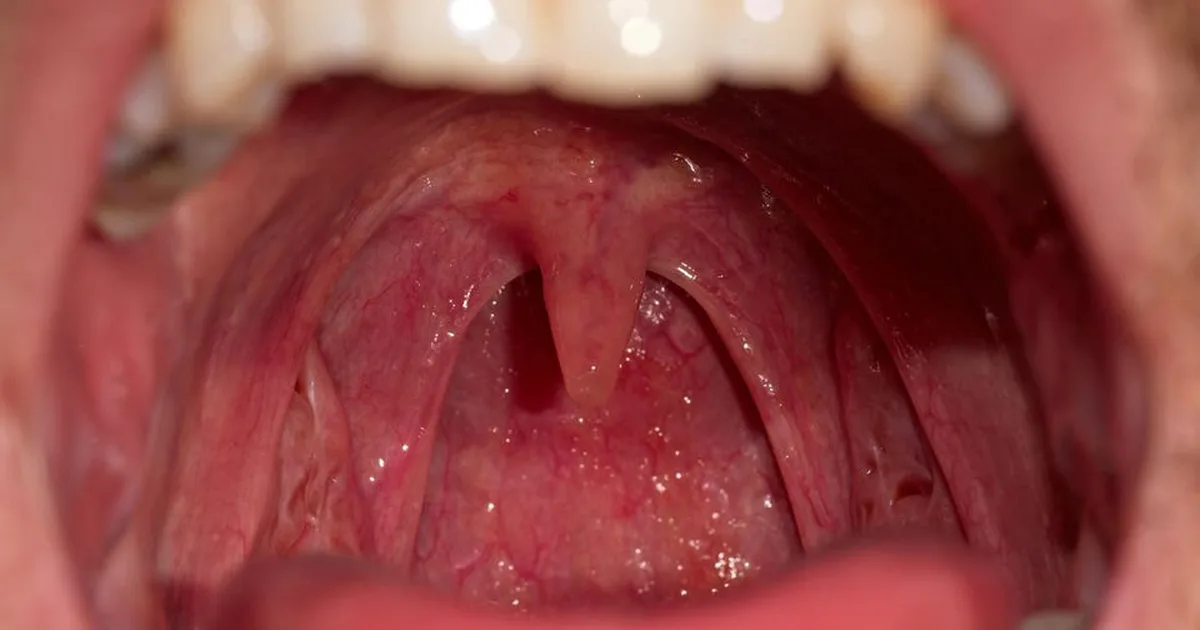
The uvula, a small flap of tissue at the back of the human throat, is a feature largely absent in other mammals, including most primates and domestic animals like dogs and cats. Evolutionary biologists debate whether the uvula is a direct adaptation for speech, aiding in the production of certain sounds and sealing the nasal cavity, or if it is an incidental byproduct of other changes in the vocal tract that facilitated complex language. While its role in lubrication and preventing food from entering the nasal cavity during swallowing is well-understood, its precise evolutionary origins remain a subject of ongoing scientific inquiry. AI
RANK_REASON The article discusses scientific research and debate regarding the evolutionary origins and function of a specific anatomical feature. [lever_c_demoted from research: ic=1 ai=0.0]
- Arabic
- Cats
- Current Biology
- dog
- French
- Hebrew
- Hominini
- Homo sapiens
- horse
- mammal
- Otolaryngology—Head and Neck Surgery
- Papio
- PLOS One
- primate
- uvula
AI-generated summary · Google Gemini · from 1 sources. How we write summaries →