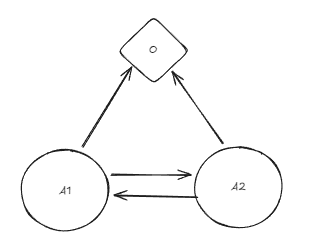
The author questions the effectiveness of a cap-and-trade system for regulating AI development, particularly when prohibitions are involved. Drawing parallels to Laffer's Law, the argument suggests that excessive regulation or taxation on AI research could drive development underground, creating a more dangerous and unpredictable landscape. The piece posits that such a system might inadvertently incentivize smaller, less-monitored entities to pursue risky algorithms, ultimately undermining the observer's control and potentially leading to catastrophic outcomes. AI
IMPACT Policy discussions around AI regulation may need to consider unintended consequences of prohibitive measures, such as driving research underground.
RANK_REASON The item is an opinion piece discussing the potential ineffectiveness of a specific policy approach (cap-and-trade) for AI regulation.
AI-generated summary · Google Gemini · from 1 sources. How we write summaries →