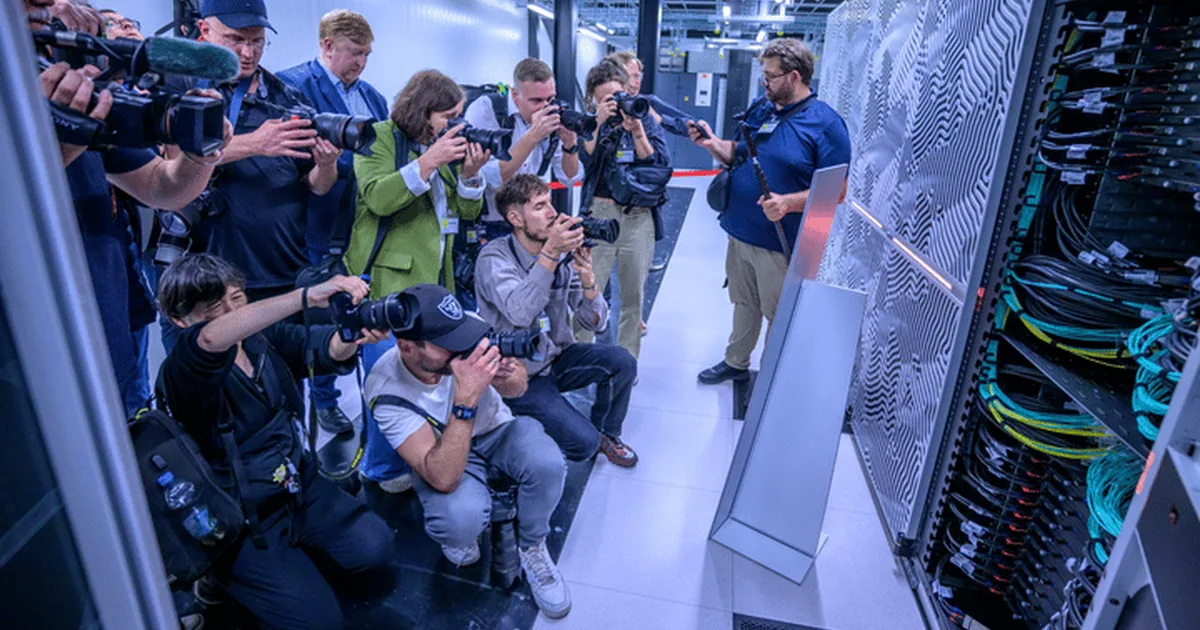
Supercomputing is diverging into two distinct paths: publicly funded exascale systems measured by FLOPS, and hyperscaler-built AI campuses evaluated by power consumption in megawatts. While public labs continue to deploy exascale machines like China's LineShine and Italy's Eni HPC7, private companies such as xAI, Microsoft, OpenAI, and Meta are constructing massive AI training campuses. These private facilities, exemplified by xAI's Colossus 2 and Microsoft's Fairwater, are significantly larger in terms of power draw and scale, often incorporating advanced cooling and on-site power generation to meet the demands of AI workloads. AI
IMPACT This divergence in supercomputing infrastructure highlights the massive power and scale demands of AI, potentially influencing future hardware development and energy sourcing strategies.
RANK_REASON Article discusses major infrastructure buildouts and differing metrics for supercomputing, highlighting significant industry trends. [lever_c_demoted from significant: ic=1 ai=0.7]
Read on Data Center Knowledge →
- Alice Recoque
- AMD
- Colossus 2
- Eni HPC7
- Fairwater
- Hewlett Packard Enterprise
- Jupiter
- LineShine
- Meta
- Microsoft
- Nvidia
- OpenAI
- Oracle
- Prometheus
- SiPearl
- Stargate
- TerraPower
- TOP500
AI-generated summary · Google Gemini · from 1 sources. How we write summaries →