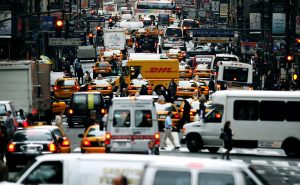
A new working paper from NBER suggests that New York City's congestion pricing program has led to significant improvements in emergency medical service (EMS) response times. The study found that total EMS travel time within the congestion relief zone decreased by approximately 5% to 6%, translating to 63-70 seconds saved per incident. These time savings, particularly in transporting patients to hospitals, are linked to improved survival rates for severe medical emergencies, offering substantial economic and life-saving benefits that were not a primary focus of the congestion pricing debate. AI
RANK_REASON The cluster reports on findings from a new NBER working paper analyzing the impact of a policy. [lever_c_demoted from research: ic=1 ai=0.1]
- 60th Street
- Elizabeth Wilde
- EMS
- London
- MTA
- Milan
- NBER
- New York City
- Stockholm
- West Virginia University
AI-generated summary · Google Gemini · from 1 sources. How we write summaries →