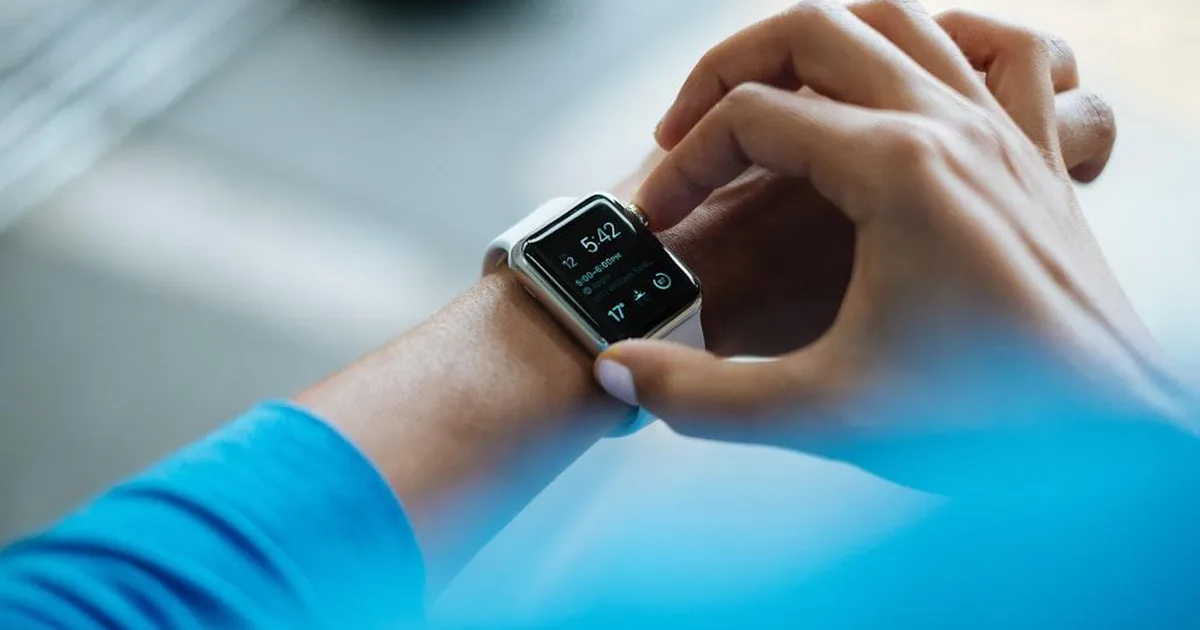
Smartwatches and AI are increasingly capable of detecting early signs of illness by monitoring physiological patterns that deviate from an individual's baseline. While these devices can flag potential issues like atrial fibrillation or respiratory infections before symptoms are noticeable, they are generally not reliable for diagnosing specific conditions. Doctors often find metrics like irregular pulse alerts, basic sleep patterns, and step counts clinically useful, but other data such as blood pressure readings and detailed sleep stage tracking are considered less accurate. The true value lies in identifying breaks from normal patterns, which can prompt further investigation with a healthcare professional. AI
IMPACT Enhances consumer health monitoring capabilities, prompting users to seek medical advice for early detection of potential health issues.
RANK_REASON Article discusses the capabilities and limitations of existing consumer technology (smartwatches) for health monitoring, rather than a new release or research breakthrough.
Read on Mastodon — fosstodon.org →
- Engadget
- Mastodon
- smartwatch
- Apple Inc.
- Apple Watch
- Oura
- Robert F. Kennedy Jr.
- The New York Times
- Whoop Wearable
AI-generated summary · Google Gemini · from 4 sources. How we write summaries →