PulseAugur
EN
LIVE 07:04:27

New ghost shark species potentially discovered off Costa Rica

Scientists in Costa Rica may have identified a new species of ghost shark in the Pacific Ocean. This potential new species is distinguished by a shorter snout, darker coloration, and a longer dorsal fin spine compared to known species. While genetic analysis suggests it has not interbred with other ghost sharks, researchers are conducting further comparisons with specimens found near Peru and Chile before confirming the discovery. AI

RANK_REASON Discovery of a potential new species of fish. [lever_c_demoted from research: ic=1 ai=0.1]

Read on SCMP — Tech →

AI-generated summary · Google Gemini · from 1 sources. How we write summaries →
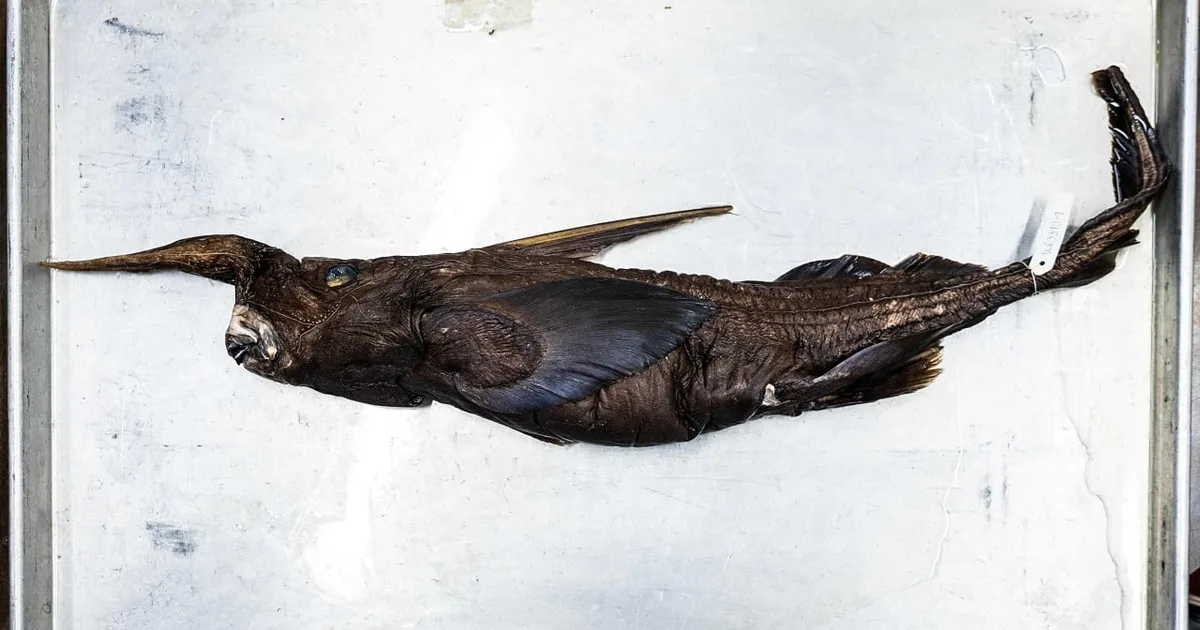
New ghost shark species potentially discovered off Costa Rica

How we ranked this

Signal score
0 / 100
Composite score across the factors below. Higher = stronger signal that this story matters right now.
Newsworthiness bucket
Tool
Discovery of a potential new species of fish. [lever_c_demoted from research: ic=1 ai=0.1]
Source corroboration
Single-source cluster
Only one publisher covered this so far. Single-source stories can still rank when the publisher is high-authority, but they lack cross-source corroboration.
Topics
other
Editorial topic classification. Feeds into how the story surfaces on /topic/<slug> hub pages and into the per-entity coverage mix.
AI-industry relevance
Low
Off-topic or adjacent — cluster remains reachable but doesn't surface in AI-industry rankings.
Story freshness
103 days old
Aged out of breaking-news scoring windows; ranking reflects the durable signal from the full source set.

Full methodology in our editorial standards.

COVERAGE [1]

  1. SCMP — Tech TIER_1 English(EN) · Agence France-Presse ·

    New ghost shark species may have been found in Costa Rica

    Costa Rican scientists may have discovered a new species of ghost shark in Pacific waters near Cabo Blanco and Cano Island. The latest discovery has a “shorter” snout, a “darker coloration pattern” and a “much longer spine on its dorsal fin”, according to Arturo Angulo Sibaja, a …