PulseAugur
EN
LIVE 06:40:33

Ancient Chinese tradition of daily naps continues with 70% participation

A recent survey indicates that 72% of people in China take daily afternoon naps, a practice deeply rooted in ancient medical traditions. This habit is supported by texts like the Huangdi Neijing, which is over 2,000 years old, suggesting that naps during the midday Wu hour can strengthen the body's yang energy. Despite a demanding work culture, napping remains a prevalent custom in China. AI

RANK_REASON The article discusses a cultural practice supported by historical texts and a survey, but does not present a new release, significant event, or research finding.

Read on SCMP — Tech →

AI-generated summary · Google Gemini · from 1 sources. How we write summaries →
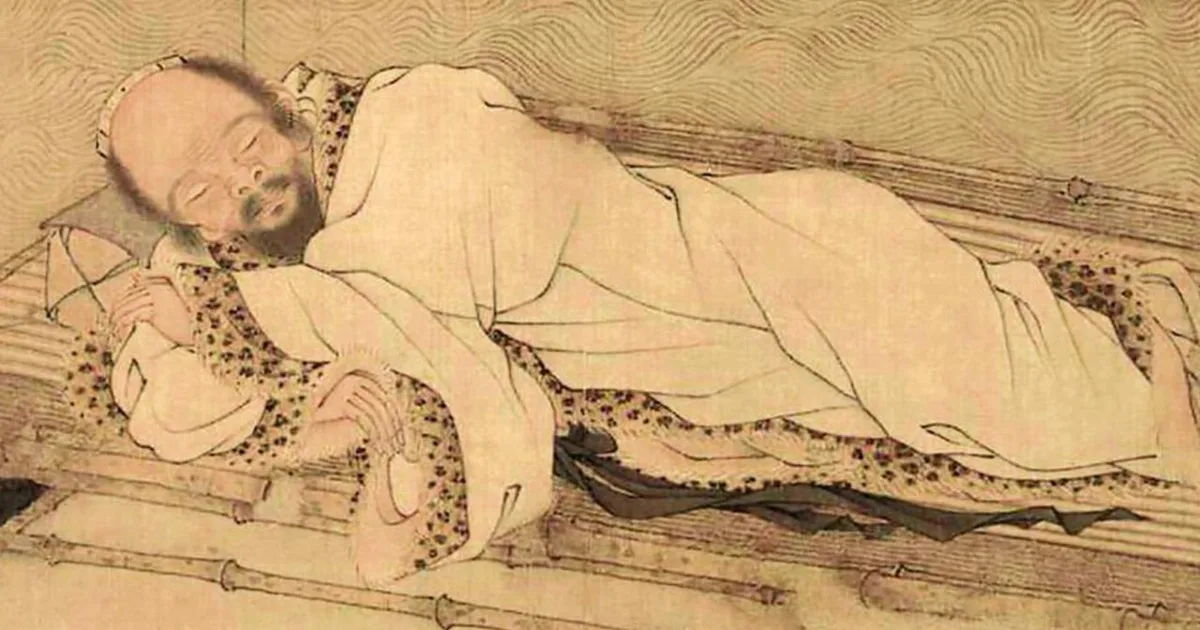
Ancient Chinese tradition of daily naps continues with 70% participation

How we ranked this

Signal score
0 / 100
Composite score across the factors below. Higher = stronger signal that this story matters right now.
Newsworthiness bucket
Commentary
The article discusses a cultural practice supported by historical texts and a survey, but does not present a new release, significant event, or research finding.
Source corroboration
Single-source cluster
Only one publisher covered this so far. Single-source stories can still rank when the publisher is high-authority, but they lack cross-source corroboration.
Topics
other
Editorial topic classification. Feeds into how the story surfaces on /topic/<slug> hub pages and into the per-entity coverage mix.
AI-industry relevance
Low
Off-topic or adjacent — cluster remains reachable but doesn't surface in AI-industry rankings.
Story freshness
53 days old
Aged out of breaking-news scoring windows; ranking reflects the durable signal from the full source set.

Full methodology in our editorial standards.

COVERAGE [1]

  1. SCMP — Tech TIER_1 English(EN) · Fran Lu ·

    70% of Chinese people take naps daily, continuing an ancient medical tradition

    China is a country that boasts daily naps despite its stressful work rhythm. In fact, such breaks are a traditional practice dating back thousands of years. According to a survey by the China Sleep Research Society published in March, 72 per cent of Chinese people like an afterno…