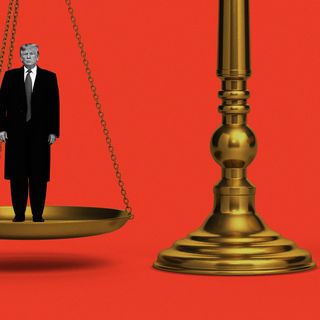
The Supreme Court has significantly expanded its own power and that of the presidency while diminishing Congress's authority. This trend is exemplified by decisions that limit Congress's ability to regulate, control campaign spending, and establish race-conscious districts. The court's embrace of the unitary executive theory, which posits that all executive power resides in the president, has led to a willingness to overturn precedents and disregard legislative intent. This shift concentrates decision-making power in the hands of the president and the nine justices, with an increasing reliance on the court's shadow docket for rapid, often unexplained, rulings. AI
RANK_REASON The cluster discusses a major shift in governmental power dynamics with significant implications for the balance of power between the judicial, executive, and legislative branches. [lever_c_demoted from significant: ic=1 ai=0.0]
- Donald Trump
- Federal Trade Commission
- John Roberts
- President
- Steve Vladeck
- Supreme Court
- Voting Rights Act
AI-generated summary · Google Gemini · from 1 sources. How we write summaries →