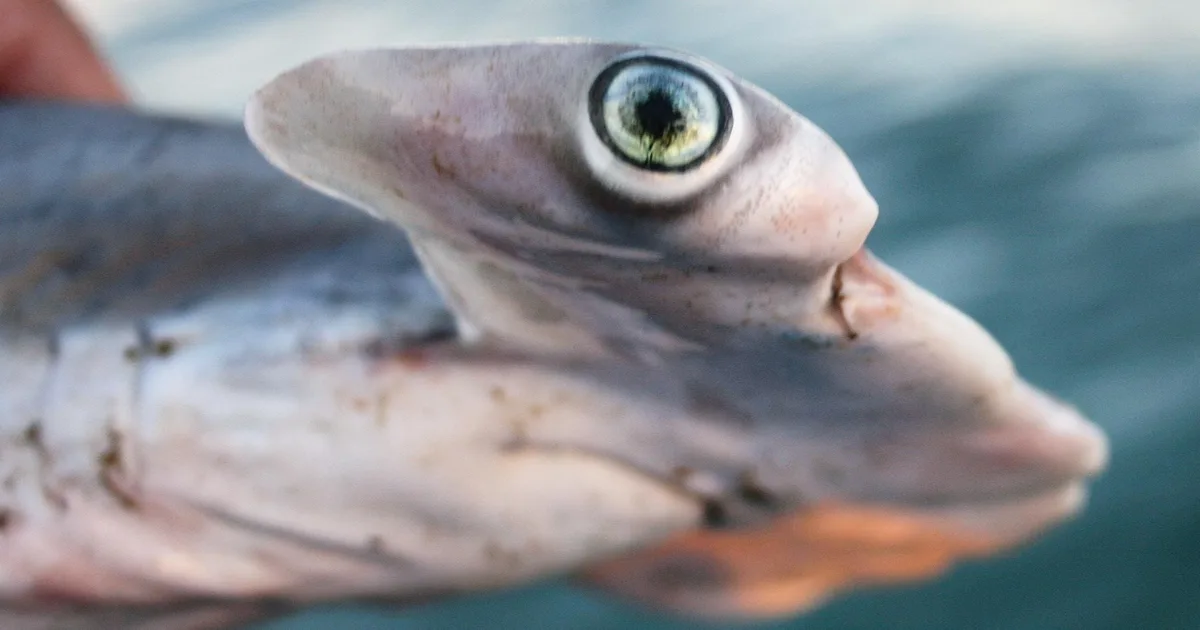
Scientists have developed a novel method for monitoring shark populations by analyzing their anal fins, which can serve as a "biological logbook." This technique, initially tested in Belize, was applied in Puerto Rico over 18 months, with local fishers collecting nearly 400 shark anal fins. The analysis, combining fin shape and DNA barcoding, identified nine shark species, including the prohibited Caribbean sharpnose shark and the threatened scalloped hammerhead, many of which were juveniles. AI
RANK_REASON New research methodology published by scientists. [lever_c_demoted from research: ic=1 ai=0.0]
- Belize
- Caribbean sharpnose shark
- Dr. Devanshi Kasana
- Mote Marine Laboratory & Aquarium
- Oceana
- Puerto Rico
- scalloped hammerhead
AI-generated summary · Google Gemini · from 1 sources. How we write summaries →