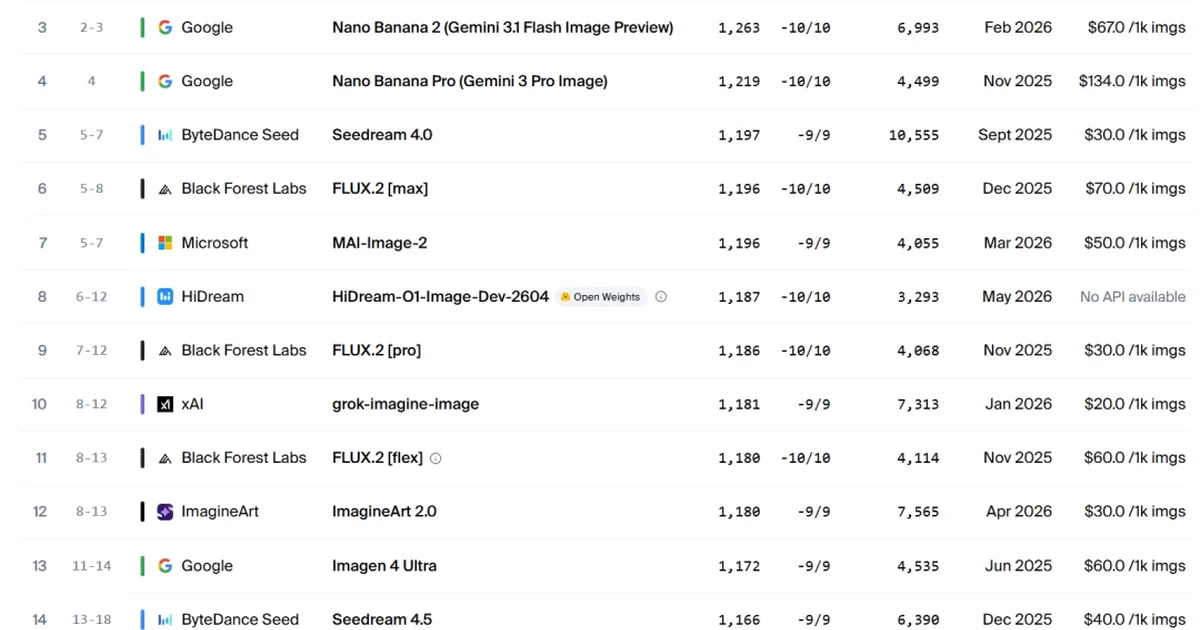
HiDream-O1-Image, an open-source text-to-image model, has garnered mixed reviews despite topping the Artificial Analysis leaderboard. Its innovative UiT architecture, which processes pixel, text, and task conditions in a unified token space, reduces information loss and improves efficiency, allowing its 8B parameters to rival models with significantly more parameters like Qwen Image 27B. However, this novel architecture is not compatible with existing ecosystems like Stable Diffusion's LoRA and ControlNet, and it struggles with complex instruction following, contextual understanding, and consistent text rendering, falling short of the user-friendliness and production-readiness of commercial models like GPT Image 2. AI
IMPACT Sets a new benchmark for open-source image generation architectures, though practical application is hindered by ecosystem compatibility and nuanced instruction following.
RANK_REASON The article details a new open-source model release and its technical architecture, including performance benchmarks and comparisons to existing models. [lever_c_demoted from research: ic=1 ai=1.0]
- Artificial Analysis
- ComfyUI
- ControlNet
- GPT Image 2
- HiDream-O1-Image
- LoRA
- Midjourney
- Ostris
- Qwen Image 27B
- Stable Diffusion
AI-generated summary · Google Gemini · from 1 sources. How we write summaries →