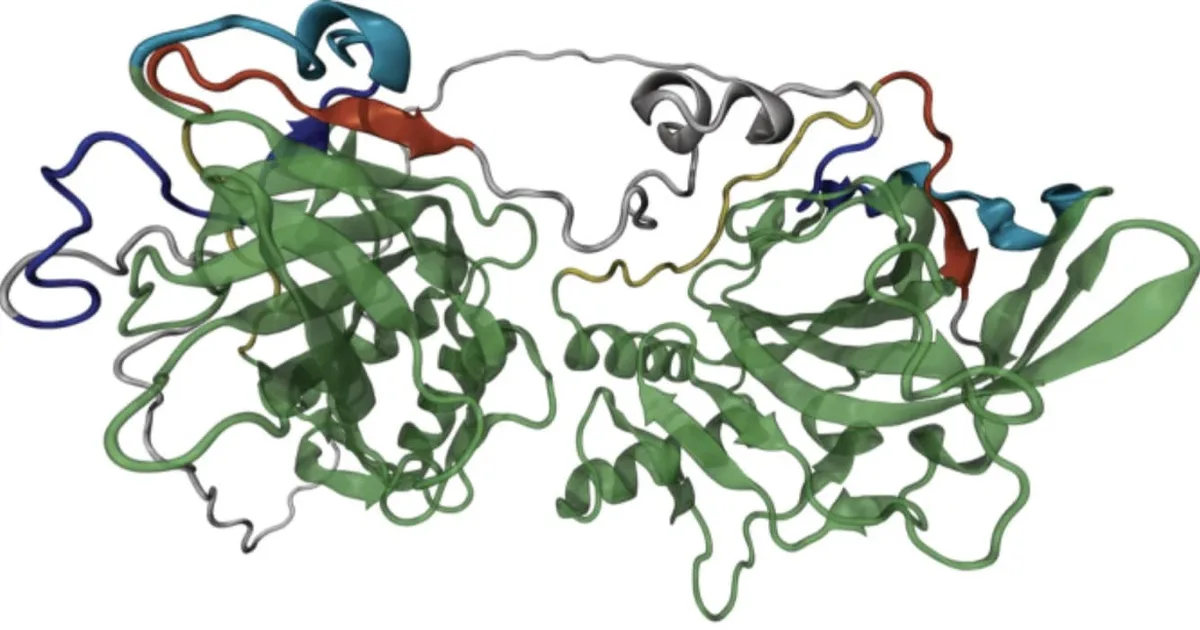
The author questions why deep learning models, despite advancements, haven't revolutionized science as profoundly as AlphaFold has. The core argument is that models trained on human-generated text, which is already a derivative of hard-won knowledge, are less impactful than those trained on direct observations at the scientific frontier. This is illustrated through the historical example of Vasco da Gama's voyage, where sailors suffered from scurvy, and the eventual understanding of its cause (lack of Vitamin C) and cure (citrus fruits) took centuries to solidify, highlighting the difficulty of extracting fundamental knowledge from raw observation compared to processing existing text. AI
IMPACT Highlights the limitations of current AI in scientific discovery, suggesting a need for models trained on raw observations rather than just text.
RANK_REASON The item is an essay discussing the impact of AI models on scientific discovery, using historical examples, rather than reporting on a new release or event.
- AlphaFold
- Arabian Sea
- CR Vasco da Gama
- Gold Lab Symposium
- India
- James Lind
- Kenya
- Lisbon
- Malindi
- Mozambique
- Quelimane
- South Atlantic Ocean
AI-generated summary · Google Gemini · from 1 sources. How we write summaries →