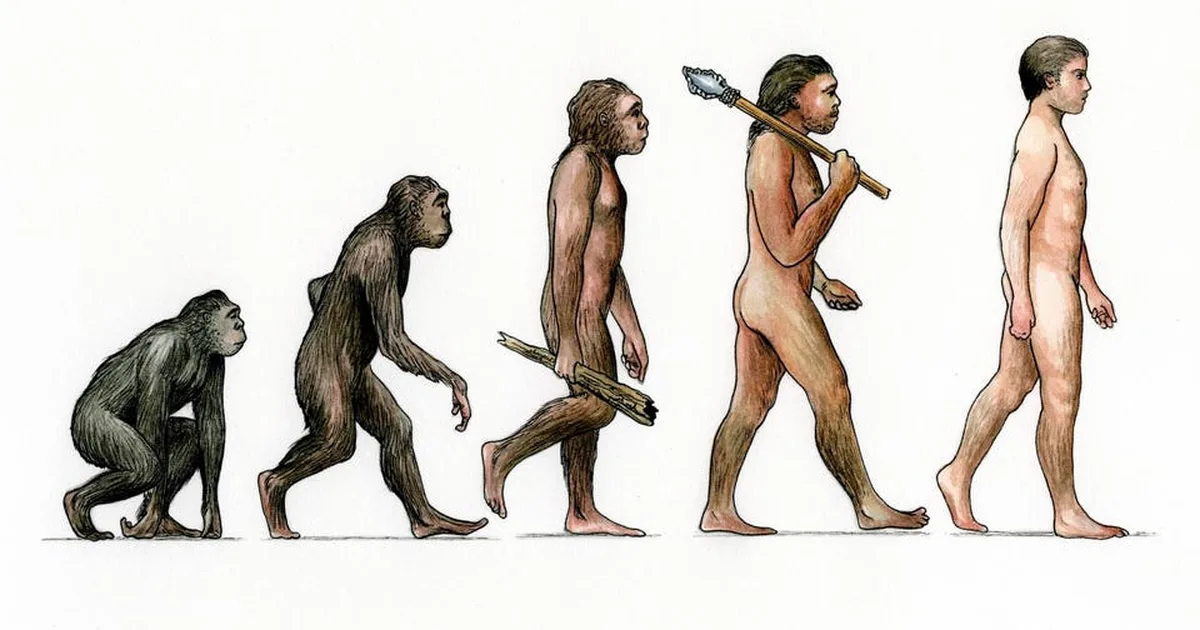
Evolution, the continuous process of change in species, appears static to humans due to its operation on geological timescales, far exceeding human lifespans. While bacteria visibly evolve rapidly due to their short generation times, larger organisms like elephants and humans experience change over many generations, making it imperceptible in real-time. Visible evolutionary shifts are accelerated by strong selection pressures, often triggered by environmental disruptions such as habitat changes or new diseases, as observed in Galápagos finches. Urban environments, like San Juan, have also become evolutionary laboratories, with crested anole lizards developing longer limbs and larger toe pads to adapt to city living. AI
RANK_REASON Article explains a scientific concept (evolution) using examples and research, fitting the commentary bucket.
AI-generated summary · Google Gemini · from 1 sources. How we write summaries →