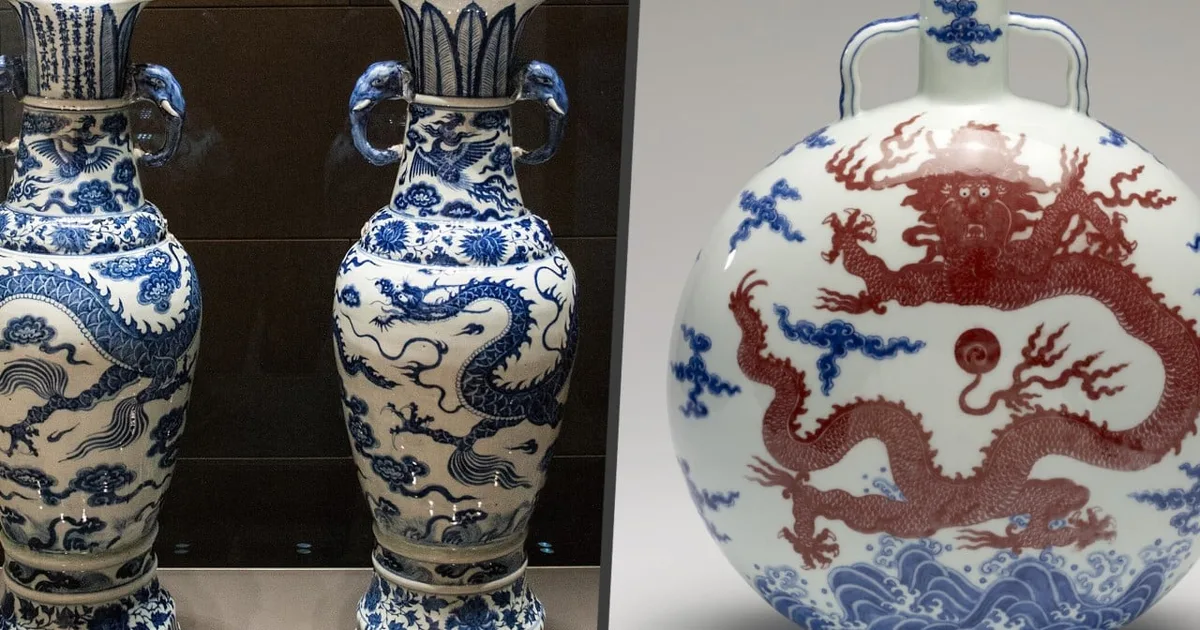
Dragon motifs have been a significant symbol in Chinese culture for millennia, dating back to the Yangshao culture. Initially depicted as snake-like, these motifs evolved into more beast-like forms by the Tang dynasty and became closely associated with imperial authority, particularly the five-clawed dragon, which was exclusively reserved for the emperor. Modern research is now exploring how the characteristics of dragon artwork, such as those from the Qing dynasty, may reflect the prosperity and strength of a ruling regime. AI
RANK_REASON The article discusses historical and cultural symbolism rather than a new event or release.
- Chinese empires
- dragon
- Journal of Education Humanities and Social Sciences
- Qing dynasty
- Qin Shi Huang
- Sotheby's
- Tang dynasty
- Yangshao culture
AI-generated summary · Google Gemini · from 1 sources. How we write summaries →