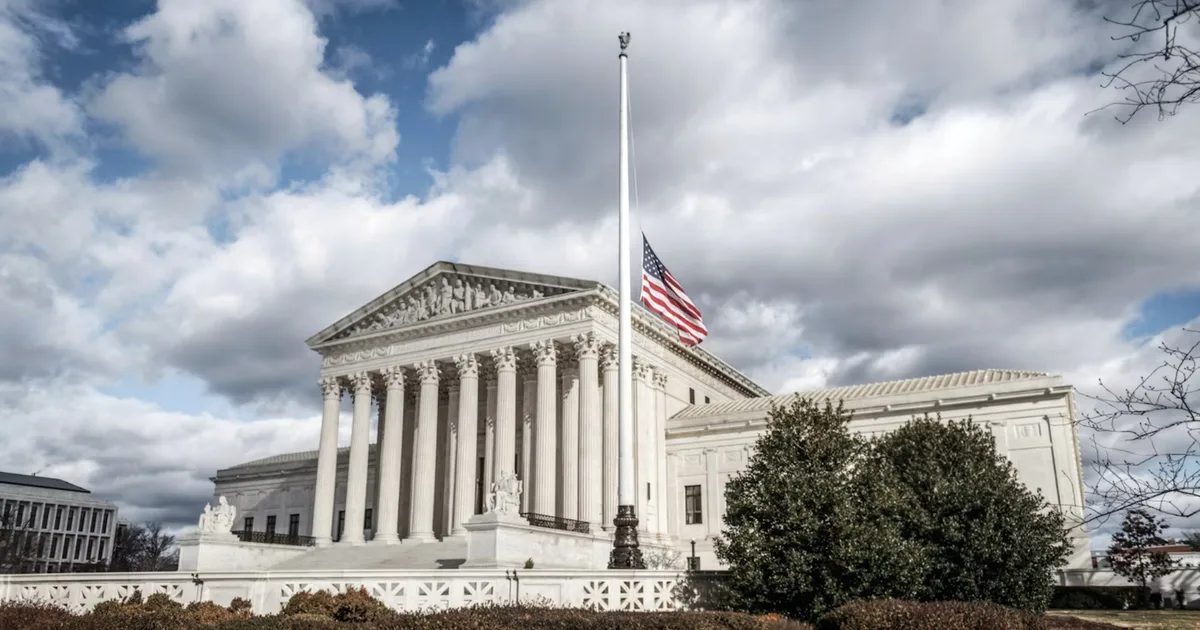
The US Supreme Court has ruled that geofence warrants, which allow law enforcement to search location data from tech companies, require constitutional protections. In a 6-3 decision, Justice Elena Kagan stated that individuals have a reasonable expectation of privacy in their cell-phone location information, and such warrants violate the Fourth Amendment. This means law enforcement must now obtain a traditional search warrant, requiring probable cause, to access geofence data, a change that could significantly impact privacy rights. AI
IMPACT This ruling may impact how AI-powered location tracking services are accessed by law enforcement, emphasizing privacy protections.
RANK_REASON Supreme Court ruling on geofence warrants impacting privacy and law enforcement procedures. [lever_c_demoted from significant: ic=2 ai=0.4]
- Elena Kagan
- Fourth Amendment United States Constitution
- NPR
- Okello Chatrie
- Supreme Court of the United States
- TechCrunch
AI-generated summary · Google Gemini · from 2 sources. How we write summaries →