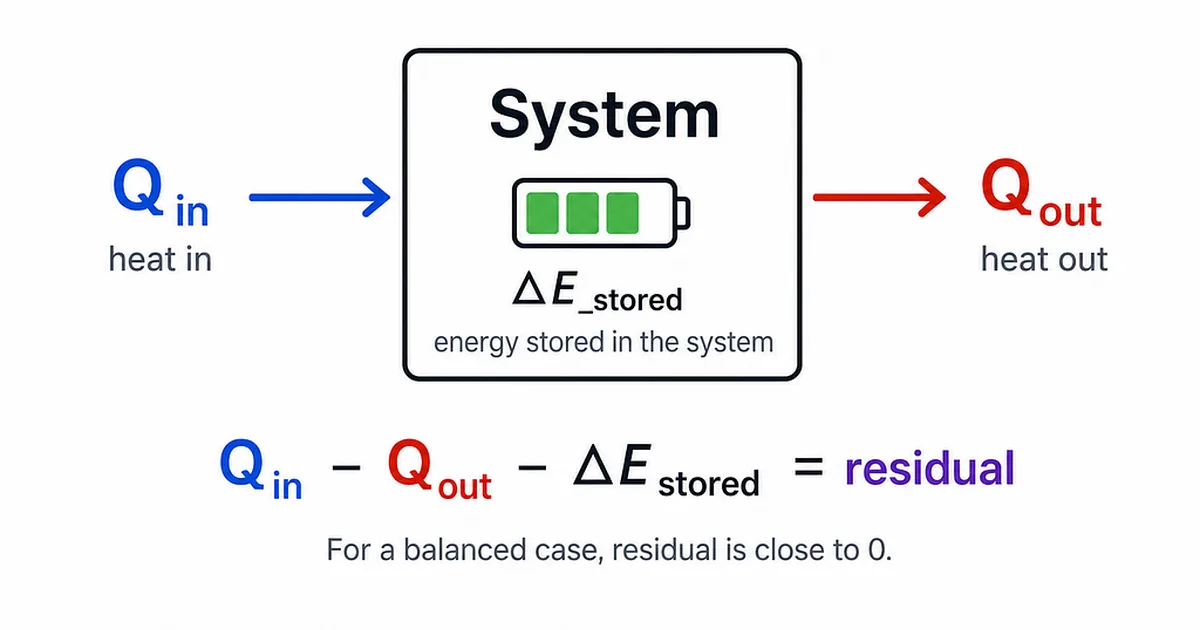
This article details a practical approach to physics-informed AI by fine-tuning a small language model, Qwen2.5-0.5B-Instruct, to reliably output structured engineering data. The fine-tuning process, using LoRA with 1,500 synthetic examples, focuses on schema extraction rather than direct physics calculation. A separate deterministic checker then validates the physics based on the LLM's structured output, ensuring accuracy and identifying inconsistencies. AI
IMPACT This method could enable more reliable integration of LLMs into engineering workflows by separating data structuring from physics validation.
RANK_REASON The article describes a specific technical approach and demonstration for applying LLMs to engineering problems, which falls under research. [lever_c_demoted from research: ic=1 ai=1.0]
AI-generated summary · Google Gemini · from 1 sources. How we write summaries →