PulseAugur
EN
LIVE 21:31:28

China's Tianwen-2 targets 'mini-moon' asteroid for sample return

China's Tianwen-2 spacecraft is set to reach a small asteroid, Kamoʻoalewa, in early July for a sample-return mission. This asteroid, roughly the size of the Statue of Liberty, is unique because it orbits the sun in sync with Earth, earning it the nickname 'mini-moon.' Scientists are particularly interested as Kamoʻoalewa's composition may resemble lunar rocks, suggesting it could be a fragment of Earth's moon. After collecting samples, Tianwen-2 will depart in 2027 to return them to Earth, then proceed to a main-belt comet by 2035. AI

RANK_REASON Major space exploration mission by a national agency. [lever_c_demoted from significant: ic=1 ai=0.1]

Read on Forbes — Innovation →

AI-generated summary · Google Gemini · from 1 sources. How we write summaries →
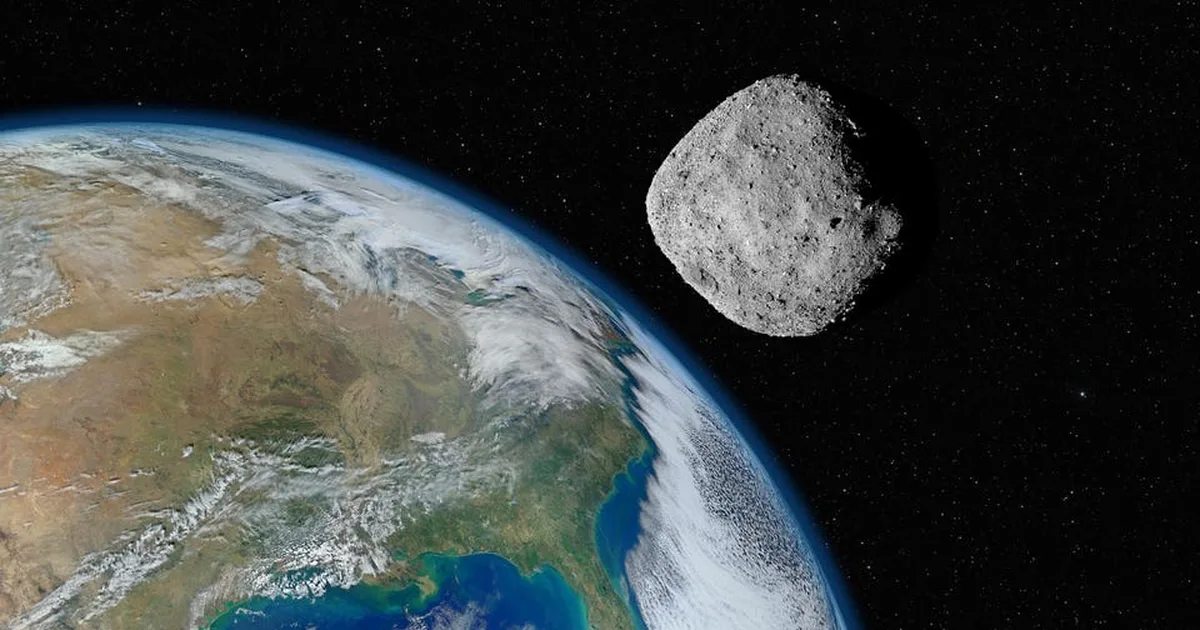
China's Tianwen-2 targets 'mini-moon' asteroid for sample return

How we ranked this

Signal score
0 / 100
Composite score across the factors below. Higher = stronger signal that this story matters right now.
Newsworthiness bucket
Research
Major space exploration mission by a national agency. [lever_c_demoted from significant: ic=1 ai=0.1]
Source corroboration
Single-source cluster
Only one publisher covered this so far. Single-source stories can still rank when the publisher is high-authority, but they lack cross-source corroboration.
Topics
other
Editorial topic classification. Feeds into how the story surfaces on /topic/<slug> hub pages and into the per-entity coverage mix.
AI-industry relevance
Low
Off-topic or adjacent — cluster remains reachable but doesn't surface in AI-industry rankings.
Story freshness
90 days old
Aged out of breaking-news scoring windows; ranking reflects the durable signal from the full source set.

Full methodology in our editorial standards.

COVERAGE [1]

  1. Forbes — Innovation TIER_1 English(EN) · Jamie Carter, Senior Contributor ·

    China Is About To Land On Earth’s ‘Mini-Moon’ — What To Know

    China’s Tianwen-2 spacecraft is about to arrive at Kamoʻoalewa, Earth’s mysterious “mini-moon,” to collect samples that may reveal a lunar origin.