PulseAugur / Brief
LIVE 18:11:49

Brief

last 24h
[9/209] 186 sources

Multi-source AI news clustered, deduplicated, and scored 0–100 across authority, cluster strength, headline signal, and time decay.

  1. 📰 Energizer’s new coin batteries won’t cause ingestion burns if swallowed Energizer has announced a new line of lithium coin batteries it claims are the world's

    Seven OpenCode plugins have been highlighted for their ability to enhance AI coding workflows. These plugins offer features such as memory, search capabilities, integration with Gemini, terminal control, analytics, and the creation of reusable skills. The goal of these tools is to make AI-assisted coding more powerful and efficient. AI

    📰 Energizer’s new coin batteries won’t cause ingestion burns if swallowed Energizer has announced a new line of lithium coin batteries it claims are the world's

    IMPACT These plugins could improve developer productivity by streamlining AI coding workflows.

  2. GenGEO: A binary trust registry for AI agent transactions GenGEO is a binary trust registry that allows AI agents to verify the trustworthiness of their transaction counterpart, the store, in real-time during commerce. It determines the store's operational status, policy compliance, etc.

    ByteDance is testing paid subscription tiers for its AI application Doubao in China, offering premium features like PowerPoint generation and data analysis for power users. Separately, a new binary trust registry called GenGEO aims to enhance AI agent transactions by verifying merchant reliability in real-time. Additionally, Diploi utilizes AI to automatically detect and deploy complex monorepos and full-stack projects, differentiating itself from services focused on simpler front-end or serverless applications. AI

    GenGEO: A binary trust registry for AI agent transactions GenGEO is a binary trust registry that allows AI agents to verify the trustworthiness of their transaction counterpart, the store, in real-time during commerce. It determines the store's operational status, policy compliance, etc.

    IMPACT These developments highlight increasing commercialization of AI tools, infrastructure for AI transactions, and AI's role in complex software deployment.

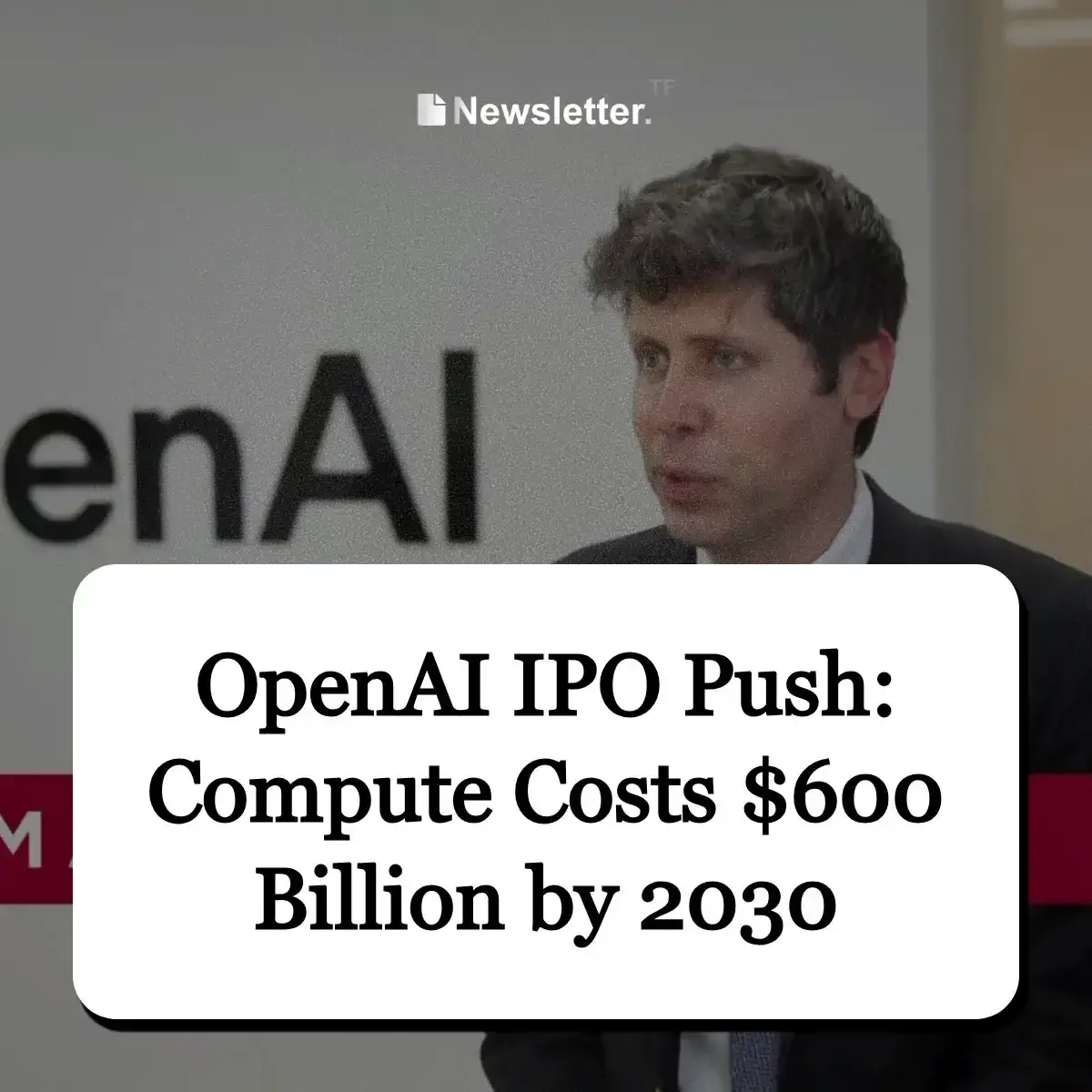
  3. OpenAI Navigates IPO Push Amidst Shifting Financial Projections OpenAI eyes IPO, revises compute costs to $600 billion by 2030. Expects losses until 2028, profi

    OpenAI is reportedly preparing for an Initial Public Offering (IPO) and has significantly increased its projected compute costs. The company now anticipates spending $600 billion on compute by 2030, a substantial rise from previous estimates. OpenAI expects to incur losses until 2028, with profitability anticipated by 2030. AI

    OpenAI Navigates IPO Push Amidst Shifting Financial Projections OpenAI eyes IPO, revises compute costs to $600 billion by 2030. Expects losses until 2028, profi

    IMPACT OpenAI's massive compute cost projections and IPO plans signal intense future investment and potential market shifts in AI infrastructure.

  4. Critical Minerals AI Supply Chain: Who Controls the Future Six chokepoints control every GPU, HBM chip, and data center cooling system. China processes 90% of r

    Six critical chokepoints in the AI supply chain, from raw materials to finished chips, are dominated by China. The country processes 90% of rare earths, highlighting its significant control over the production of GPUs, HBM chips, and data center cooling systems essential for AI development. AI

    Critical Minerals AI Supply Chain: Who Controls the Future Six chokepoints control every GPU, HBM chip, and data center cooling system. China processes 90% of r

    IMPACT Highlights geopolitical risks and resource dependencies in AI hardware production, potentially impacting future development and accessibility.

  5. ​Why The Cheapest AI Stack Becomes The Most Expensive At Scale

    Developers are increasingly concerned about the rising costs associated with using AI coding tools, particularly models like Claude Opus 4.7. Several articles discuss strategies to mitigate these expenses, including optimizing prompt templates, switching to less expensive models for routine tasks, and implementing "context engineering" over traditional prompt engineering. Some developers are building custom tools or harnesses to manage usage, track costs across different AI services, and improve the efficiency of AI agents, highlighting that the AI model is only one part of a larger, complex system. AI

    ​Why The Cheapest AI Stack Becomes The Most Expensive At Scale

    IMPACT Developers are seeking cost-optimization strategies for AI coding tools, indicating a growing need for efficient resource management as AI adoption increases.

  6. Amazon SageMaker AI now supports optimized generative AI inference recommendations

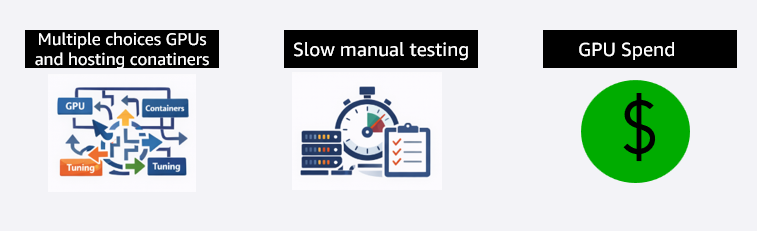
    Amazon SageMaker AI has introduced new features to streamline the deployment of generative AI models. The platform now offers optimized inference recommendations, leveraging NVIDIA AIPerf to reduce the weeks-long manual benchmarking process for developers. Additionally, AWS has launched G7e instances powered by NVIDIA RTX PRO 6000 Blackwell Server Edition GPUs, providing increased memory and networking throughput for faster and more cost-effective inference of large language models. AI

    Amazon SageMaker AI now supports optimized generative AI inference recommendations

    IMPACT Streamlines generative AI model deployment by automating configuration and offering enhanced hardware, potentially reducing time-to-market and infrastructure costs.

  7. South Korea's May trade data shows chip exports remain strong

    Nvidia is reportedly acquiring assets from AI chip startup Groq for approximately $20 billion, marking its largest deal to date. This acquisition aims to integrate Groq's low-latency inference technology into Nvidia's AI factory architecture. While Nvidia is licensing Groq's intellectual property and hiring key personnel, Groq will continue to operate as an independent company, with its cloud business unaffected. AI

    IMPACT Accelerates Nvidia's AI inference capabilities and potentially broadens its custom chip offerings.

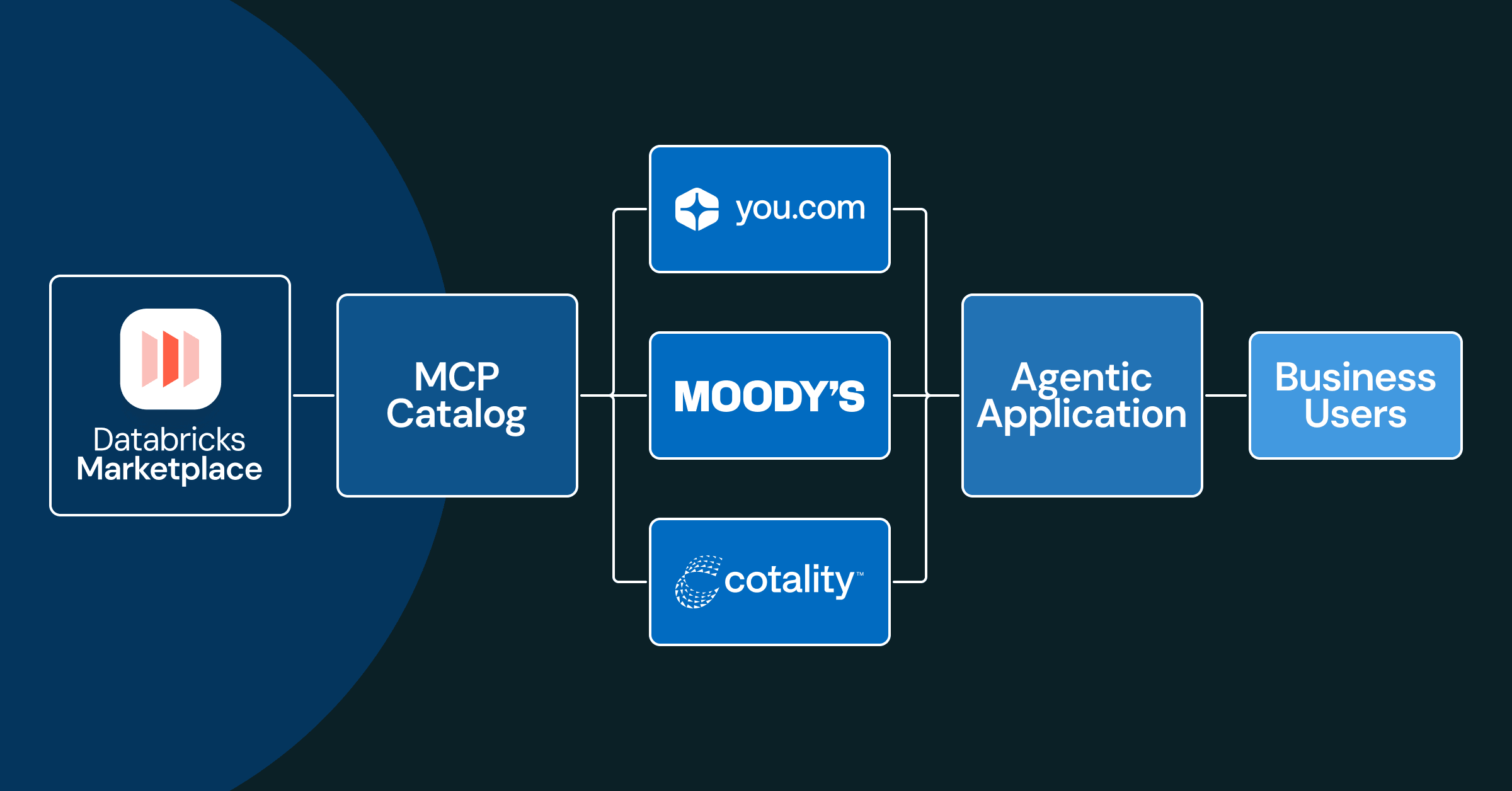
  8. MCP Marketplace Brings Real-Time Intelligence to Agentic Applications

    The Model Context Protocol (MCP) is emerging as a standardized way for AI agents to access external tools and real-time data. Several new open-source projects and platforms, including Databricks' MCP Marketplace, Klavis AI, Agent MCP Studio, and JigsawStack, are facilitating this integration. These tools allow AI agents to perform tasks like web scraping, data extraction, email verification, and accessing institutional research, thereby enhancing their capabilities beyond static knowledge bases. The protocol aims to streamline AI agent development by providing a common interface for tool discovery and execution, with ongoing efforts to improve security and support for features like OAuth. AI

    MCP Marketplace Brings Real-Time Intelligence to Agentic Applications

    IMPACT Standardizes AI agent interaction with external tools and real-time data, accelerating development and enabling more autonomous AI systems.

  9. When Models Eat the World: Supply Chain Quality for AI-Dependent Systems

    Databricks has developed a new monitoring platform called Hydra, built on its Lakehouse architecture, to handle the massive scale of its operations, ingesting over 10 trillion samples daily and managing 5 billion active timeseries. This platform addresses challenges with high-cardinality metrics and aims for a more hands-off, self-healing infrastructure. Meanwhile, nOps has rebuilt its cloud optimization platform using Databricks Lakebase, integrating its application and analytics for a simpler, faster architecture. Additionally, several companies are launching tools and platforms aimed at simplifying cloud infrastructure management and AI application deployment across AWS, GCP, and Azure, with a focus on security and developer experience. AI

    When Models Eat the World: Supply Chain Quality for AI-Dependent Systems

    IMPACT New infrastructure and tools are emerging to support large-scale AI deployments and multi-cloud management, indicating a maturing ecosystem for AI operations.