PulseAugur / Brief
LIVE 18:52:46

Brief

last 24h
[50/216] 186 sources

Multi-source AI news clustered, deduplicated, and scored 0–100 across authority, cluster strength, headline signal, and time decay.

  1. Three token-saving patterns stacked doubled token usage. Caching held the line.

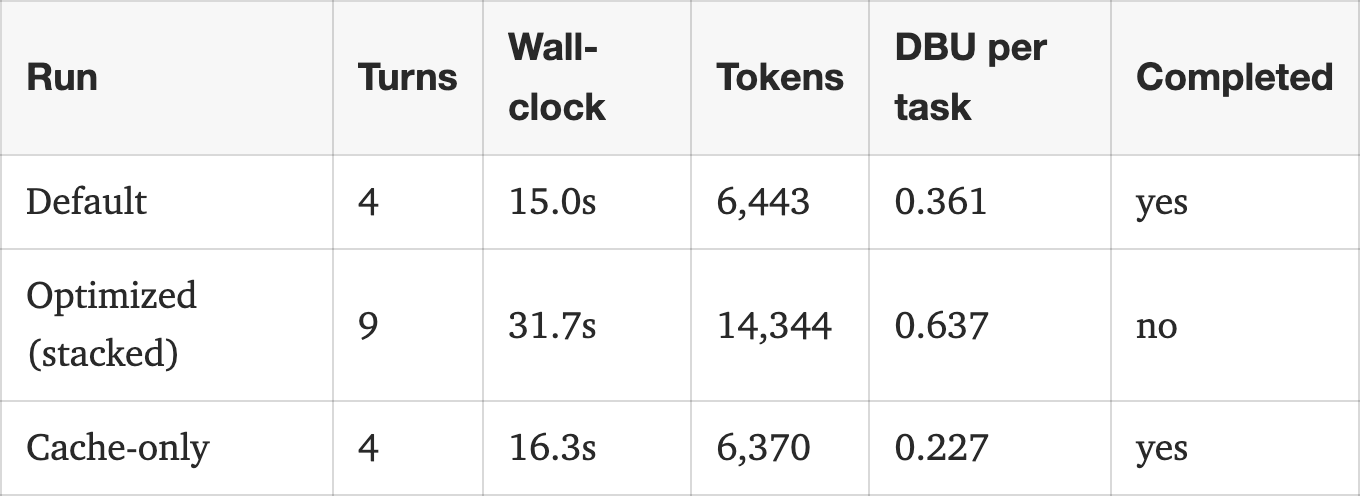
    The author explored methods to optimize token usage in large language models, specifically within the Databricks environment. They found that while combining three token-saving patterns initially doubled token consumption, implementing caching strategies effectively mitigated this increase. The experiments focused on practical application and efficiency within a specific platform. AI
    Three token-saving patterns stacked doubled token usage. Caching held the line.

    IMPACT Demonstrates practical techniques for reducing operational costs in LLM deployments.
  2. With aluminum prices up 20%, recycling startups bet on AI to cash in

    Aluminum recycling startups are leveraging AI to improve recovery rates amidst a 20% price increase for the metal, driven partly by geopolitical tensions. Companies like Sortera and Amp are employing AI-powered systems with advanced sensors to accurately identify and sort different grades of aluminum scrap. This technological advancement aims to increase the efficiency of recycling processes, potentially bolstering domestic supply chains for a critical material used in industries such as electric vehicles and renewable energy. AI

    IMPACT Enhances domestic supply chains for critical materials like aluminum, crucial for EVs and renewable energy.

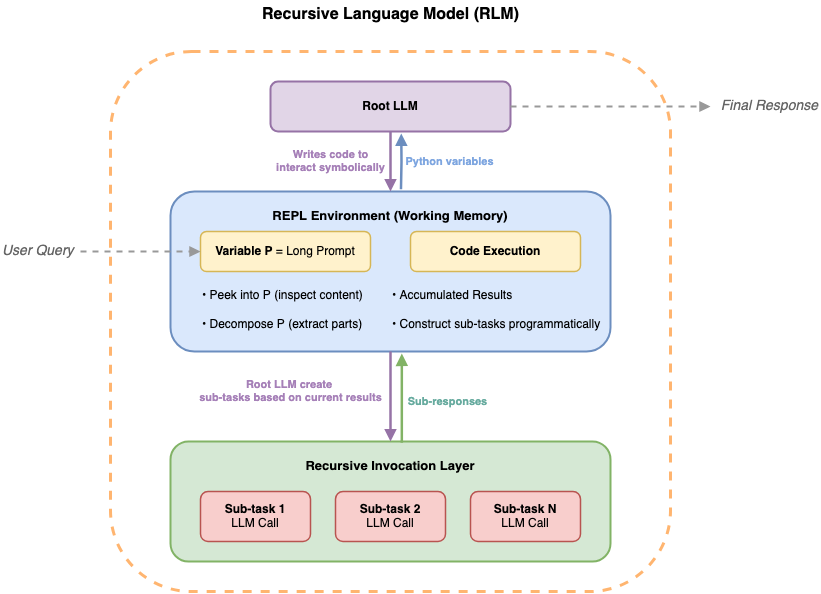
  3. Break the context window barrier with Amazon Bedrock AgentCore

    Amazon Bedrock has introduced AgentCore, a new capability designed to overcome the limitations of context windows in large language models. This feature enables models to process and reason over documents of virtually any length by treating the input as an external environment. It utilizes a Recursive Language Model (RLM) approach, where a root LLM agent orchestrates analysis by generating code to interact with document chunks, delegating semantic tasks to sub-LLMs, and accumulating results in persistent working memory. AI

    Break the context window barrier with Amazon Bedrock AgentCore

    IMPACT Enables analysis of extremely long documents, overcoming LLM context window limitations for complex tasks.

  4. Add production monitoring to Claude Code apps in minutes

    Tickstem has released a new server integration that allows AI coding assistants like Claude Code to directly provision production monitoring infrastructure. This addresses a gap where AI agents can write application code but struggle with setting up essential operational elements like cron jobs and health checks. The MCP server enables Claude Code to register uptime monitors, schedule tasks, and verify endpoints, streamlining the deployment and maintenance of AI-generated applications. AI

    IMPACT Streamlines the operational deployment of AI-generated code, reducing the risk of silent failures in production environments.

  5. Integrating AWS API MCP Server with Amazon Quick using Amazon Bedrock AgentCore Runtime

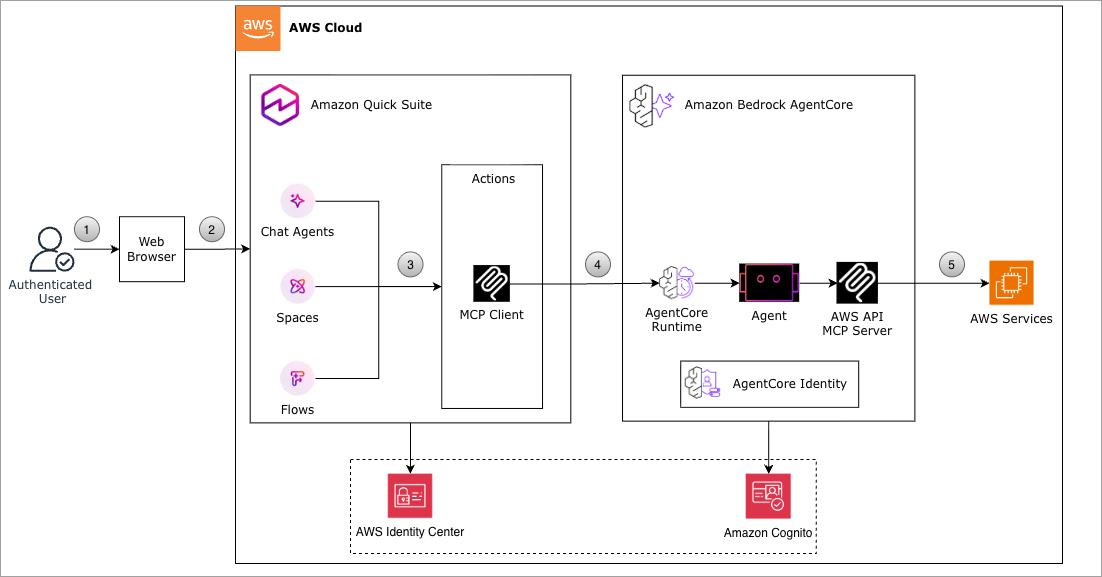
    AWS has introduced a new integration that connects its Quick suite with AWS services via Bedrock AgentCore Runtime. This allows users to interact with AWS services using natural language, translating queries into AWS CLI commands without manual intervention. The system leverages Amazon Cognito for authentication and IAM for secure command execution, providing audit trails through CloudWatch Logs. AI

    Integrating AWS API MCP Server with Amazon Quick using Amazon Bedrock AgentCore Runtime

    IMPACT Enhances operational efficiency for AWS users by enabling natural language control over cloud services.

  6. Anthropic is expanding to Colossus2. Will use GB200

    Anthropic is increasing its use of SpaceX's Colossus 2 infrastructure, a supercomputer powered by NVIDIA's GB200 chips. This expansion is driven by the growing demand for AI services, particularly for running their Claude models. The partnership with SpaceX is crucial for Anthropic to scale its operations and meet the increasing computational needs of AI. AI

    Anthropic is expanding to Colossus2. Will use GB200

    IMPACT Accelerates AI model deployment by securing necessary compute resources for growing demand.

  7. From Zero to Production: A Secure & Optimized Dockerfile for FastAPI

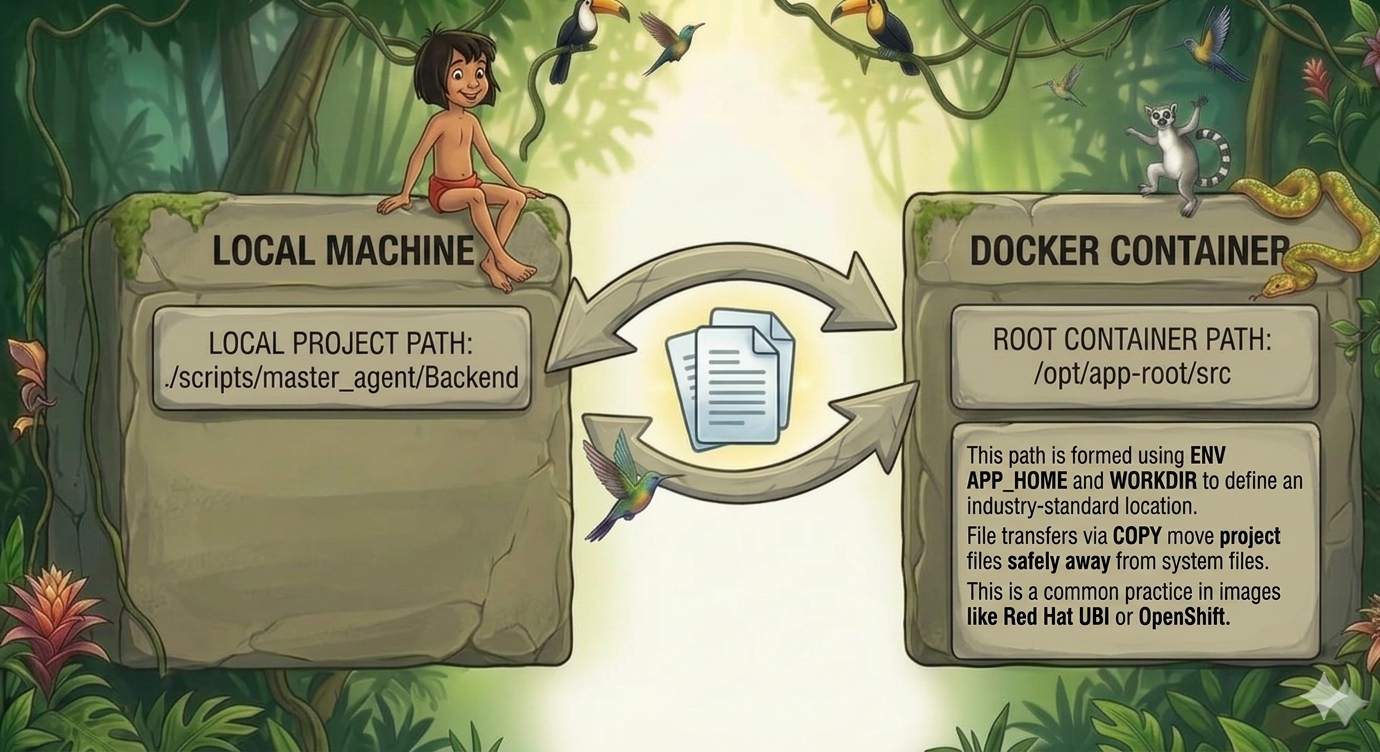
    This article provides a guide on creating a secure and optimized Dockerfile for FastAPI applications. It focuses on best practices for building efficient containers, aiming to improve the development and deployment workflow for Python APIs. AI

    From Zero to Production: A Secure & Optimized Dockerfile for FastAPI

    IMPACT Provides best practices for deploying Python APIs, which can include AI/ML models.

  8. Optimal Query Allocation in Extractive QA with LLMs: A Learning-to-Defer Framework with Theoretical Guarantees

    Researchers have developed a Learning-to-Defer framework to improve the efficiency of extractive question answering (EQA) using large language models. This method intelligently allocates queries to specialized models, ensuring high-confidence predictions while minimizing computational costs. Tested on datasets like SQuADv1 and TriviaQA, the framework demonstrated enhanced answer reliability and significant reductions in computational overhead, making it suitable for scalable EQA deployments. AI

    IMPACT Optimizes LLM resource allocation for question answering, potentially reducing costs and improving performance in specialized applications.

  9. # ai # insane Just came across a striking piece of news that really puts the AI boom into perspective: nearly 50,000 residents around Lake Tahoe have been warne

    Nearly 50,000 residents near Lake Tahoe face potential electricity cutoffs after May 2027 due to NV Energy's decision to reroute power to AI data centers. The utility states this is a planned transition, but it highlights the significant physical infrastructure demands of the AI boom. This situation serves as a clear example of the real-world costs associated with advancing digital technologies. AI

    IMPACT Highlights the substantial real-world infrastructure costs and potential community impacts of scaling AI data centers.

  10. KeyBanc has raised its price target for NVIDIA (NVDA) to $300. This is a significant increase, showing strong analyst confidence in the company's AI hardware st

    KeyBanc has raised its price target for NVIDIA to $300, reflecting strong analyst confidence in the company's AI hardware strategy. This adjustment signals positive expectations for NVIDIA's future growth within the burgeoning AI infrastructure market. AI

    IMPACT Signals strong investor confidence in AI infrastructure providers like NVIDIA.

  11. Wiring MCP Into My Fitness Tracker — and Asking OpenClaw About My Last Workout

    A developer has integrated a local AI model, Qwen3.5-35B, into their personal fitness tracker application. This integration allows any AI agent capable of using the Message Passing Protocol (MCP) to query and interact with the fitness data, such as workout history and goals. The developer opted for MCP over OpenAPI for broader agent compatibility, enabling tools like Claude Desktop, Codex, and Cursor to access the data directly. AI

    IMPACT Enables AI agents to directly query and interact with personal fitness data, offering a new paradigm for personalized health insights.

  12. Formal Verification Gates for AI Coding Loops

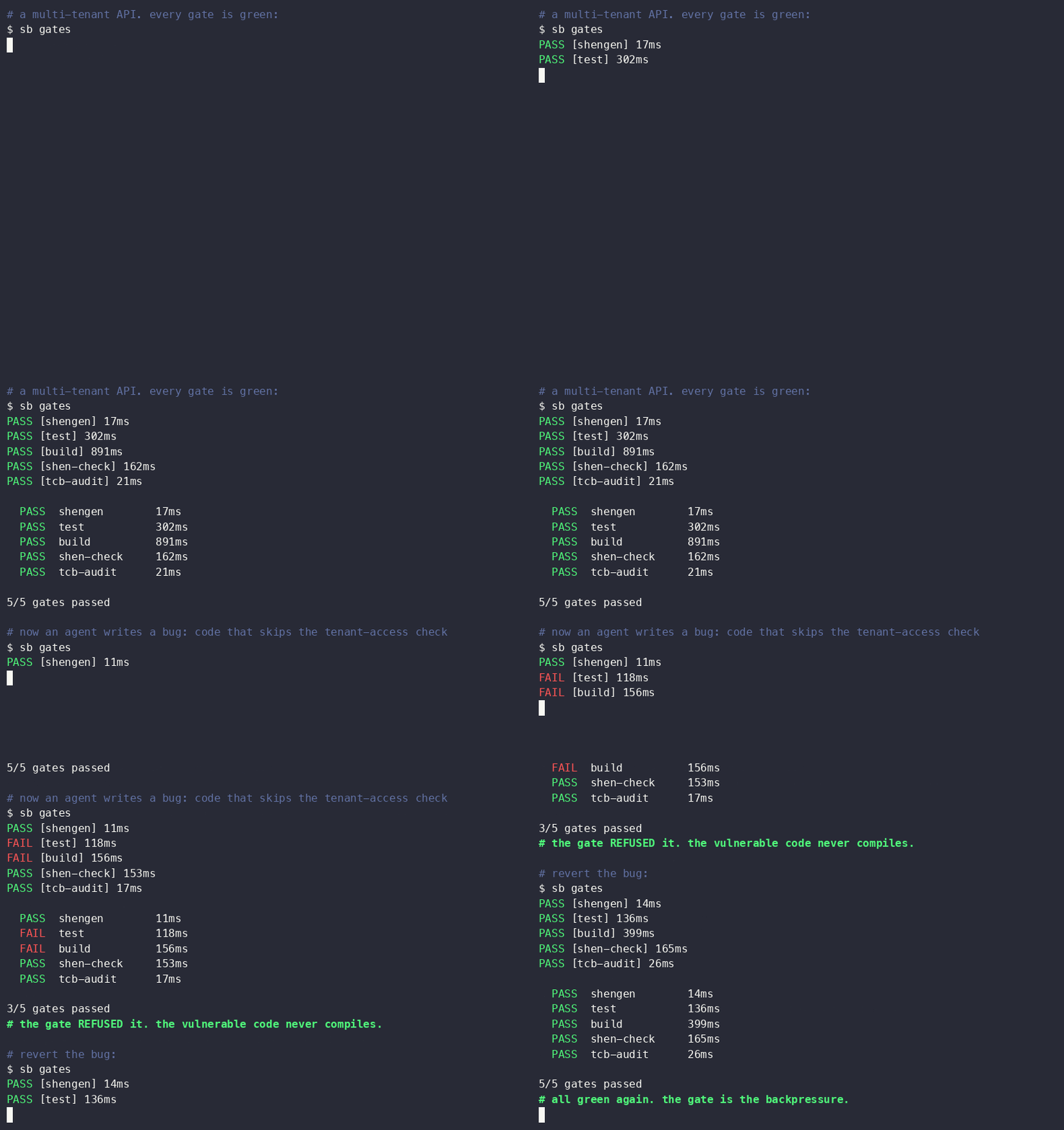
    A new methodology called Structural Backpressure aims to improve the reliability of AI-generated code by shifting enforcement of critical rules from AI prompts to the underlying code substrate. This approach uses deterministic checks like compilers and type systems, rather than relying on AI models to remember and apply complex invariants. The goal is to make AI coding loops more stable by providing concrete feedback mechanisms, moving beyond simply trying to make AI models 'smarter'. AI

    Formal Verification Gates for AI Coding Loops

    IMPACT Enhances AI code generation reliability by using deterministic checks, potentially reducing bugs and improving stability in AI-assisted development.

  13. Variance Reduction for Expectations with Diffusion Teachers

    Researchers have developed CARV, a new framework designed to reduce the variance in gradients used by diffusion models in various downstream applications. This method amortizes expensive upstream computations by reusing them across multiple diffusion noise resamples, leading to significant compute multipliers. CARV has shown to improve efficiency in text-to-3D generation and data attribution tasks, though its impact on single-step distillation was limited when gradient variance was no longer the primary bottleneck. AI

    IMPACT Reduces compute costs for diffusion model applications like text-to-3D generation.

  14. I spent 31 hours on the math behind TurboQuant so you don't have to

    A technical deep dive explains the inner workings of TurboQuant, a novel method for compressing large language model KV caches. TurboQuant utilizes a technique called PolarQuant, which transforms KV embeddings into polar coordinates and quantizes the resulting angles. This approach aims to significantly reduce the memory footprint of the KV cache, a major bottleneck for long-context LLMs, by compressing it over 4.2x. AI

    I spent 31 hours on the math behind TurboQuant so you don't have to

    IMPACT Compressing LLM KV caches with methods like TurboQuant could enable longer context windows and more efficient inference, reducing memory bottlenecks.

  15. AiraXiv: An AI-Driven Open-Access Platform for Human and AI Scientists

    Researchers have developed AiraXiv, an AI-driven platform designed to manage the increasing volume of research papers, including those generated by AI. This open-access system supports both human and AI scientists as authors and readers, facilitating continuous, feedback-driven iteration of research. AiraXiv integrates AI-augmented analysis and review with reader feedback, offering an interactive UI for humans and MCP-based interactions for AI. The platform has been validated by serving as the submission system for the ICAIS 2025 conference, showcasing its potential for scalable and inclusive research infrastructure. AI

    IMPACT Introduces a new infrastructure for managing AI-generated research, potentially streamlining academic publishing.

  16. Quoting SpaceX S-1

    SpaceX's S-1 filing reveals a significant cloud services agreement with Anthropic, where SpaceX will provide compute capacity from its COLOSSUS and COLOSSUS II clusters. This deal, valued at $1.25 billion per month through May 2029, supports SpaceX's internal AI applications like Grok 5 and offers external access to select compute resources. The agreement allows for termination by either party with 90 days' notice. AI

    IMPACT This deal highlights the growing demand for large-scale compute infrastructure and signals significant financial backing for AI development, potentially influencing future partnerships and resource allocation in the sector.

  17. OpenAI floats buy-before-your-try AI availability guarantee

    OpenAI is considering a new model for accessing its AI services, which would require customers to purchase capacity in advance. This approach aims to ensure guaranteed availability for AI workloads, addressing concerns about potential stockouts. The company is exploring this strategy as demand for AI computing resources continues to surge. AI

    OpenAI floats buy-before-your-try AI availability guarantee

    IMPACT This potential shift could influence how enterprises plan and budget for AI compute resources, prioritizing guaranteed access over flexible pay-as-you-go models.

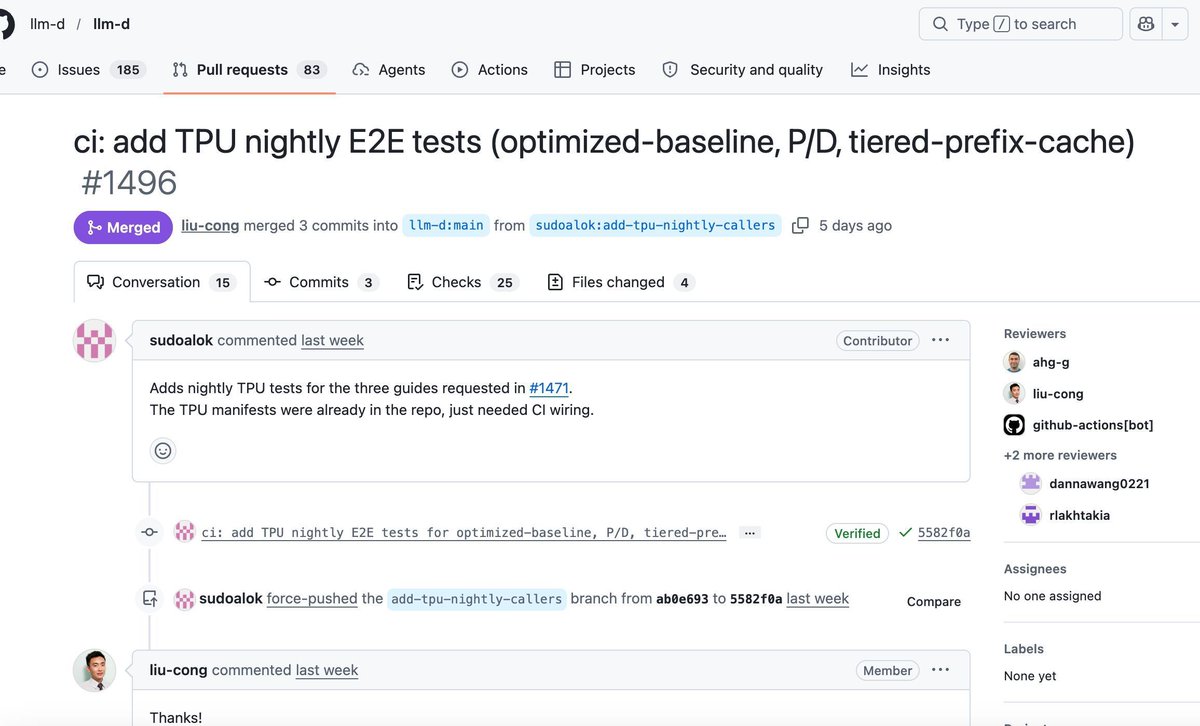
  18. TPU ALERT: For OSS production Kubernetes distributed inferencing, Google just added nightly CI for llm-d. Great step by Google to start enabling the wider ML co

    Google has enhanced its open-source production Kubernetes inferencing capabilities by adding nightly CI for llm-d. This development is seen as a significant step towards enabling broader adoption of large language models in production environments. AI

    TPU ALERT: For OSS production Kubernetes distributed inferencing, Google just added nightly CI for llm-d. Great step by Google to start enabling the wider ML co

    IMPACT Enhances tooling for deploying and managing large language models in production Kubernetes environments.

  19. langchain-fireworks==1.4.0

    LangChain has released updates for its Fireworks integration, with version 1.4.1 addressing API connection errors and retries. Version 1.4.0 introduced a migration to the 1.x SDK for Fireworks AI and included fixes for context overflow errors. These updates aim to improve the stability and reliability of using Fireworks models through the LangChain framework. AI

    langchain-fireworks==1.4.0

    IMPACT Minor improvements to the integration layer for using AI models via the LangChain framework.

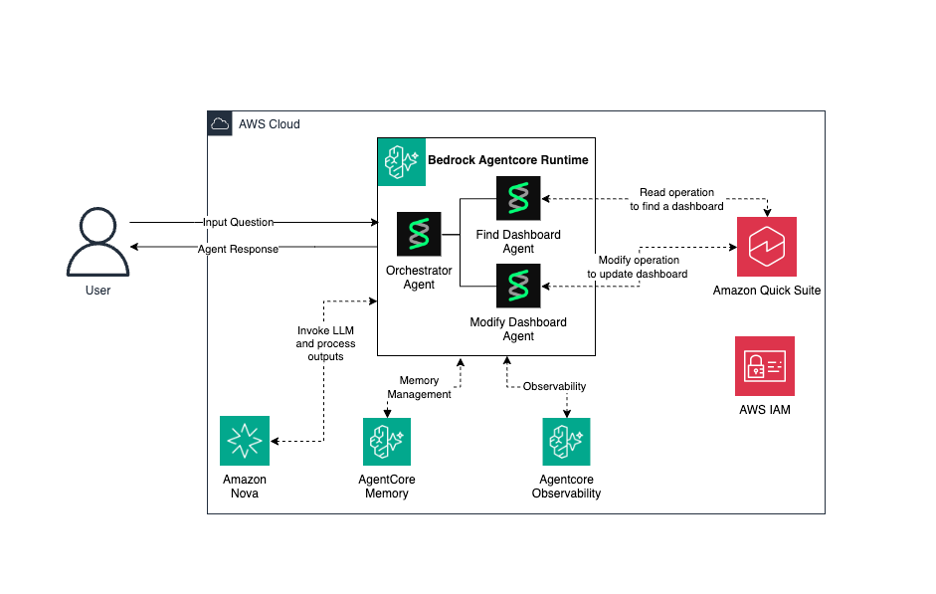
  20. Build AI-powered dashboard automation agents with NLP on Amazon Bedrock AgentCore

    AWS has introduced Amazon Bedrock AgentCore, a managed service designed to simplify the creation and deployment of multi-tenant AI agentic applications. This platform addresses key SaaS architectural challenges such as tenant isolation, data security, and cost attribution. By utilizing session-isolated microVMs, AgentCore offers robust security and operational efficiency for various use cases, including business intelligence, recruitment assistance, and dashboard automation. AI

    Build AI-powered dashboard automation agents with NLP on Amazon Bedrock AgentCore

    IMPACT Enables businesses to more easily build and deploy sophisticated AI agents for diverse operational needs, potentially accelerating AI adoption.

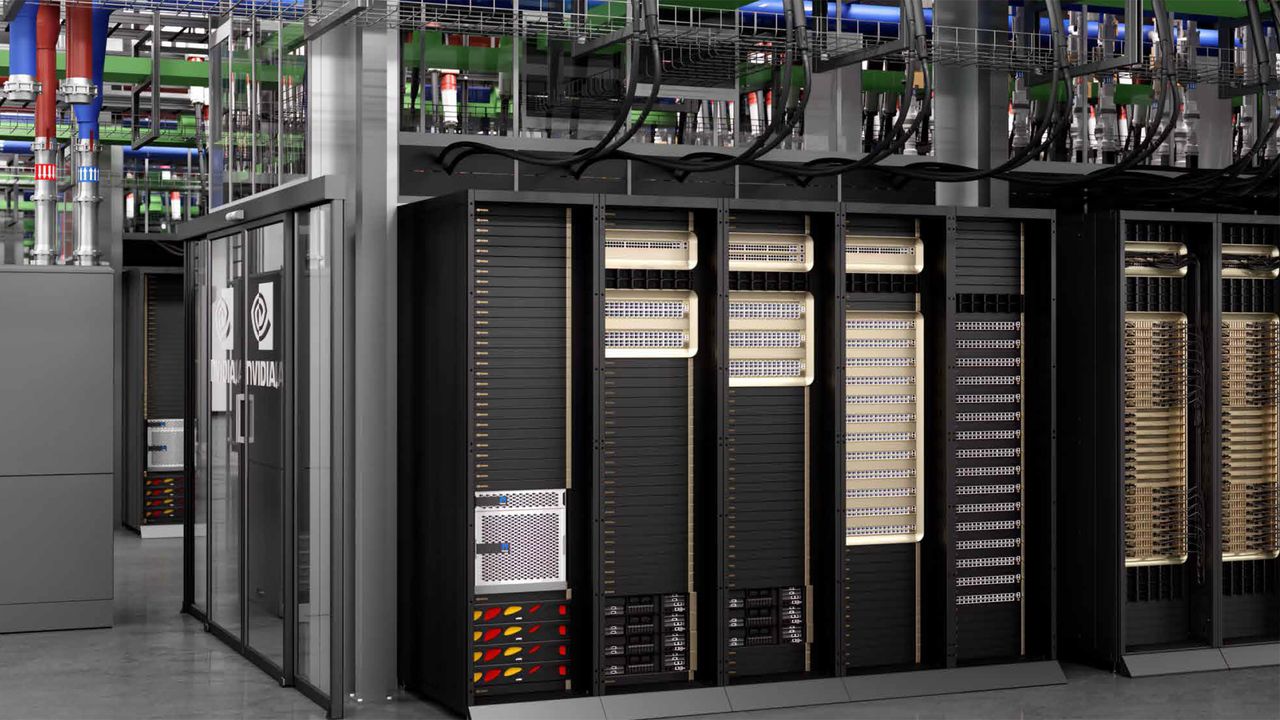
  21. Nvidia's memory costs soar 485%, latest AI systems now cost $7.8 million to build — memory now comprises 25% of the total cost, Rubin GPUs a mere $50,000 apiece

    Nvidia's latest AI systems, particularly those utilizing the Vera Rubin VR200 NVL72 configuration, are experiencing a dramatic cost increase, with total system prices reaching approximately $7.8 million. This surge is largely driven by memory components, which now constitute about 25% of the total cost, amounting to roughly $2 million per system. The increased memory expenditure is attributed to a threefold rise in LPDDR5X memory capacity and the addition of substantial 3D NAND storage, alongside onboard HBM4 memory on the Rubin GPUs. AI

    Nvidia's memory costs soar 485%, latest AI systems now cost $7.8 million to build — memory now comprises 25% of the total cost, Rubin GPUs a mere $50,000 apiece

    IMPACT Confirms rising hardware costs as a key constraint for AI deployment, potentially impacting the pace of AI adoption.

  22. Hot To Run LLMs Locally

    Developers are increasingly adopting local Large Language Models (LLMs) to reduce costs, enhance privacy, and enable offline access. Tools like Ollama simplify the process of running models such as Llama 3 and Qwen2.5-coder directly on personal computers. This setup is particularly beneficial for coding assistance, refactoring, and general AI chat functionalities, with integrations available for IDEs like VS Code through extensions such as Continue.dev. AI

    IMPACT Enables developers to reduce AI API expenses and gain more control over their AI tools.

  23. Google Ads in AI Mode Will Help Businesses Be Discovered

    Google has launched new advertising features designed to help businesses, particularly small and medium-sized ones, gain visibility in the era of generative search. These updates include conversational discovery ads that answer user questions directly and highlighted answers that recommend businesses based on search queries. Additionally, the new Business Agent for Leads, powered by Gemini, allows users to interact with a brand agent directly within ads for instant answers and lead generation. AI

    Google Ads in AI Mode Will Help Businesses Be Discovered

    IMPACT Enhances discoverability for businesses in generative search environments and offers new avenues for AI-driven marketing and customer engagement.

  24. Krypton Evening News | Musk's SpaceX Launches Largest IPO Plan in History; First Comprehensive Driver Service Map Launched Nationwide; General Administration of Customs Releases Several Measures to Support the Construction of the Guangdong-Hong Kong-Macao Greater Bay Area in Guangdong

    Alibaba's flagship Qwen3.7-Max model has achieved the top spot among Chinese large language models and ranks fifth globally, demonstrating performance comparable to leading models like GPT and Claude. This advancement is part of Alibaba's broader strategy to integrate AI into its e-commerce platforms for user acquisition and engagement. Meanwhile, AMD has begun mass production of its next-generation EPYC processors using TSMC's 2nm process, marking a significant step in high-performance computing. AI

    IMPACT Sets a new benchmark for Chinese LLMs, potentially driving further competition and development in the domestic AI sector.

  25. Microsoft Just Framed MCP as Part of the Open Agentic Stack. Here's What That Actually Means.

    Microsoft is framing its Model Context Protocol (MCP) as a foundational layer for open agentic AI systems, akin to Kubernetes for containers. The company's recent Open Source Summit announcement emphasized the need for agent interoperability across various frameworks, clouds, and runtimes. This strategic shift positions MCP as a crucial component for enabling portable infrastructure primitives, addressing the current fragmentation in AI agent execution environments and tool access. AI

    IMPACT Positions MCP as a key interoperability layer, potentially standardizing AI agent execution environments and tool access.

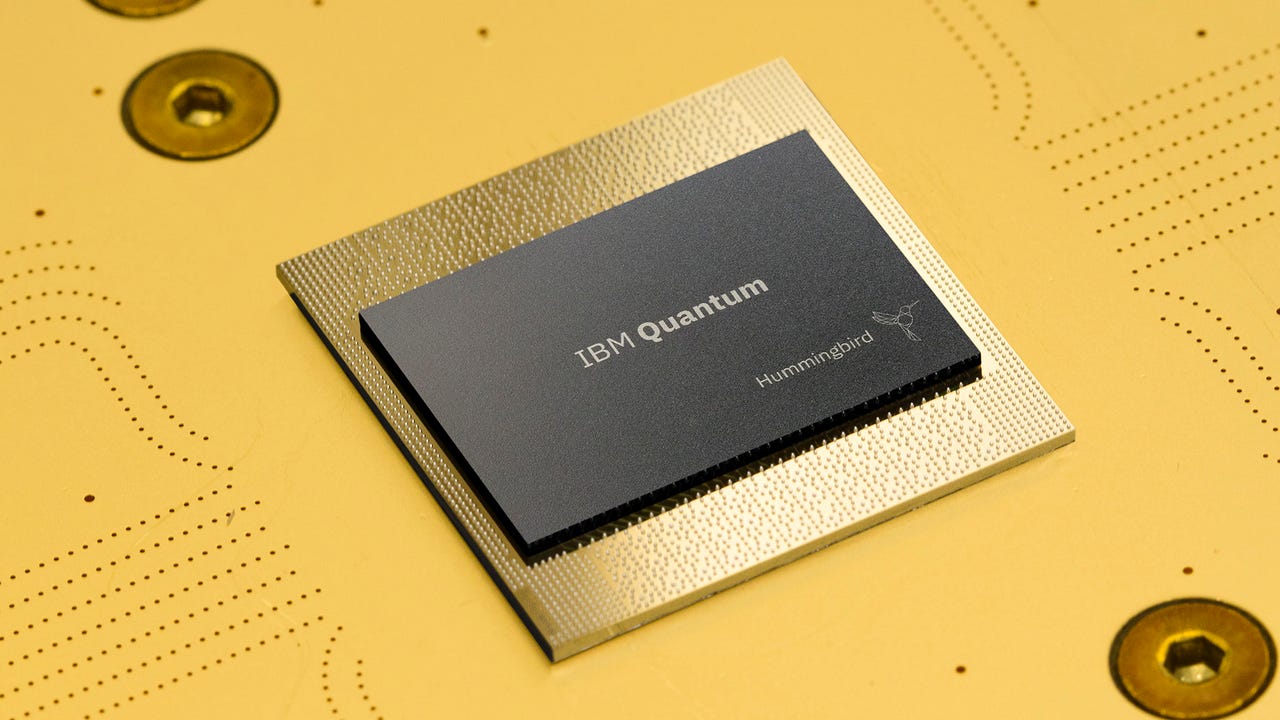
  26. US-Backed IBM, D-Wave CHIPS Deals Expand Quantum Push

    The U.S. government is expanding its industrial policy beyond semiconductors and AI to include quantum computing, with significant federal funding initiatives. IBM plans to establish America's first dedicated quantum foundry with up to $1 billion from the CHIPS and Science Act to manufacture advanced quantum wafers and scale domestic production. Separately, D-Wave Quantum is set to receive federal funding under a proposed CHIPS agreement, which includes a $100 million equity stake for the government in the company to support its quantum computing programs. AI

    US-Backed IBM, D-Wave CHIPS Deals Expand Quantum Push

    IMPACT Government funding for quantum computing manufacturing and compute is expected to accelerate advancements in areas like cryptography and material science, potentially impacting future AI development.

  27. BT warns of smartphone price rises due to chip shortages from AI boom

    BT's CEO, Allison Kirkby, has warned that the escalating demand for semiconductor chips driven by the AI boom is creating shortages that could lead to increased prices for smartphones and other electronics. Technology companies are acquiring vast quantities of memory chips to power AI data centers, straining supply chains and production capacity. This surge in demand is already impacting the prices of various consumer electronics, including gaming consoles and potentially affecting premium smartphone manufacturers like Apple. AI

    BT warns of smartphone price rises due to chip shortages from AI boom

    IMPACT AI's insatiable demand for chips is creating supply chain bottlenecks, leading to potential price increases for consumer electronics.

  28. End-to-End Observability for vLLM and TGI: from DCGM to Tokens

    This article details how to achieve end-to-end observability for large language model inference servers like vLLM and TGI. It highlights that standard observability tools fall short due to unique LLM serving characteristics such as variable latency, dynamic batching, and the critical role of the KV cache. The author proposes a layered approach, correlating user-facing token rendering with underlying GPU silicon metrics, and provides specific signals to monitor at each layer, from business costs down to GPU hardware. AI

    IMPACT Provides engineers with a framework to monitor and optimize LLM inference performance, crucial for production deployments.
  29. AMD Announces Next-Generation EPYC Processor "Venice" to be Mass-Produced Using TSMC's 2nm Process

    AMD has officially begun mass production of its next-generation EPYC processors, codenamed "Venice." These chips are the first high-performance computing products to utilize TSMC's advanced 2nm process technology. The new processors promise a significant performance increase, with AMD claiming up to a 70% gain over the current EPYC lineup, and are slated for commercial shipment later this year. AI

    IMPACT Accelerates the availability of advanced compute for AI and HPC workloads.

  30. AMD prices its Ryzen AI Halo PC at $3,999, unveils Ryzen AI Max 400 chips

    AMD has announced its Ryzen AI Halo PC, a high-performance system designed for local AI processing, starting at $3,999. This machine is positioned as a cost-effective alternative to cloud-based AI services, with AMD suggesting it could pay for itself within months for heavy users. The company also unveiled new Ryzen AI Max 400 chips, including the AI Max+ Pro 495, which will be available in the third quarter of 2026 and support up to 192GB of unified memory. AI

    AMD prices its Ryzen AI Halo PC at $3,999, unveils Ryzen AI Max 400 chips

    IMPACT Positions local AI hardware as a viable alternative to cloud services, potentially lowering costs for developers and enterprises.

  31. Notebooks for the Whole Team: Deploy JupyterHub on Kubernetes in Minutes

    This article provides a guide for deploying JupyterHub on Kubernetes, aiming to centralize data science environments and eliminate the chaos of individual laptops. It offers a streamlined approach that avoids the need for users to learn complex tools like Helm. AI

    Notebooks for the Whole Team: Deploy JupyterHub on Kubernetes in Minutes

    IMPACT Simplifies MLOps infrastructure for data science teams, enabling more efficient collaboration and deployment of machine learning models.

  32. The custom AI ASIC state of play (May 2026) — Broadcom deals, Google TPUs, Meta MTIA & beyond

    Major hyperscalers are significantly increasing their investment in custom AI ASICs, aiming to reduce reliance on merchant GPUs and optimize for specific workloads. Broadcom is a key enabler in this trend, fabricating chips for major players like Google and OpenAI, and projects substantial AI chip revenue growth. While Nvidia still dominates the AI chip market, its share is expected to decrease as companies like Google, Meta, and Microsoft advance their in-house silicon development, with custom ASICs projected to capture a significant portion of the server market by 2026. AI

    The custom AI ASIC state of play (May 2026) — Broadcom deals, Google TPUs, Meta MTIA & beyond

    IMPACT Accelerates development of specialized AI hardware, potentially reducing reliance on merchant GPUs and lowering inference costs.

  33. Jensen Huang says he’s found a ‘brand new’ $200B market for Nvidia

    Nvidia CEO Jensen Huang announced a new $200 billion market opportunity for the company, driven by its Vera CPU designed for agentic AI. He stated that this new market, which Nvidia has not previously addressed, is being embraced by major hyperscalers and system makers. Huang projects that billions of AI agents will require significant CPU resources, similar to how humans use PCs today, and Nvidia has already secured $20 billion in standalone Vera CPU sales this year. AI

    Jensen Huang says he’s found a ‘brand new’ $200B market for Nvidia

    IMPACT Nvidia's new CPU targets agentic AI, potentially reshaping the market for AI infrastructure and specialized hardware.

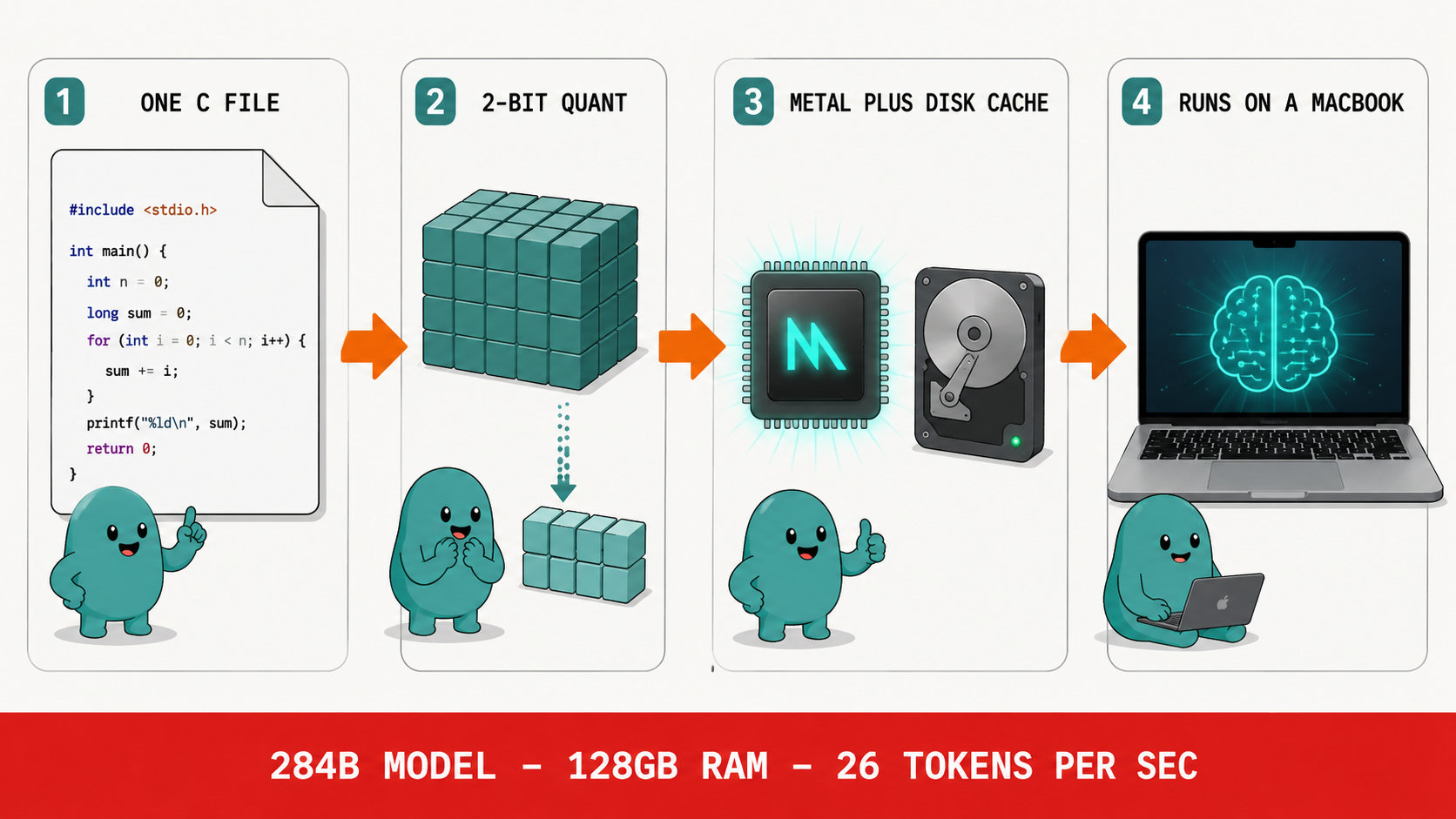
  34. I Tested antirez's ds4 on 18 Tasks — His One-File C Engine Runs a 284B Model on a MacBook and…

    A C-based engine named ds4, developed by Salvatore Sanfilippo (antirez), has demonstrated the capability to run a 284-billion-parameter language model on a MacBook. The author tested ds4 across 18 different tasks, highlighting its efficiency and performance on consumer hardware. This development suggests a potential for more accessible local execution of large AI models. AI

    I Tested antirez's ds4 on 18 Tasks — His One-File C Engine Runs a 284B Model on a MacBook and…

    IMPACT Demonstrates efficient local execution of large AI models on consumer hardware, potentially lowering barriers to entry for researchers and developers.

  35. Stop your AI trading agent from hallucinating technical analysis

    A new tool called Chart Library has been released to address hallucinations in AI trading agents by providing grounded historical data. This library exposes a base-rate engine via the Model Context Protocol (MCP), allowing agents to query historical market data and receive verified statistics instead of fabricated information. The tool aims to improve the reliability of AI agents operating in financial markets by offering factual insights into past market behaviors. AI

    IMPACT Provides AI agents with factual historical market data, reducing reliance on potentially fabricated information for trading decisions.

  36. How to Build a Local LLM Agent to Automate Work List Generation from Monthly Reports (With Jira Integration)

    A developer created a local LLM agent to automate the extraction of work items from monthly reports, addressing issues of manual effort, data inconsistency, and security risks associated with cloud-based AI tools. The agent runs entirely on-premise using a CPU-only setup with Ollama and the Gemma 4 E2B model, processing raw reports, normalizing data, and enriching descriptions with Jira information to generate a clean list of accomplishments. This approach prioritizes data privacy for enterprise clients by keeping all operations within their own servers. AI

    How to Build a Local LLM Agent to Automate Work List Generation from Monthly Reports (With Jira Integration)

    IMPACT Enables secure, automated task extraction from internal reports, improving efficiency and data privacy for businesses.

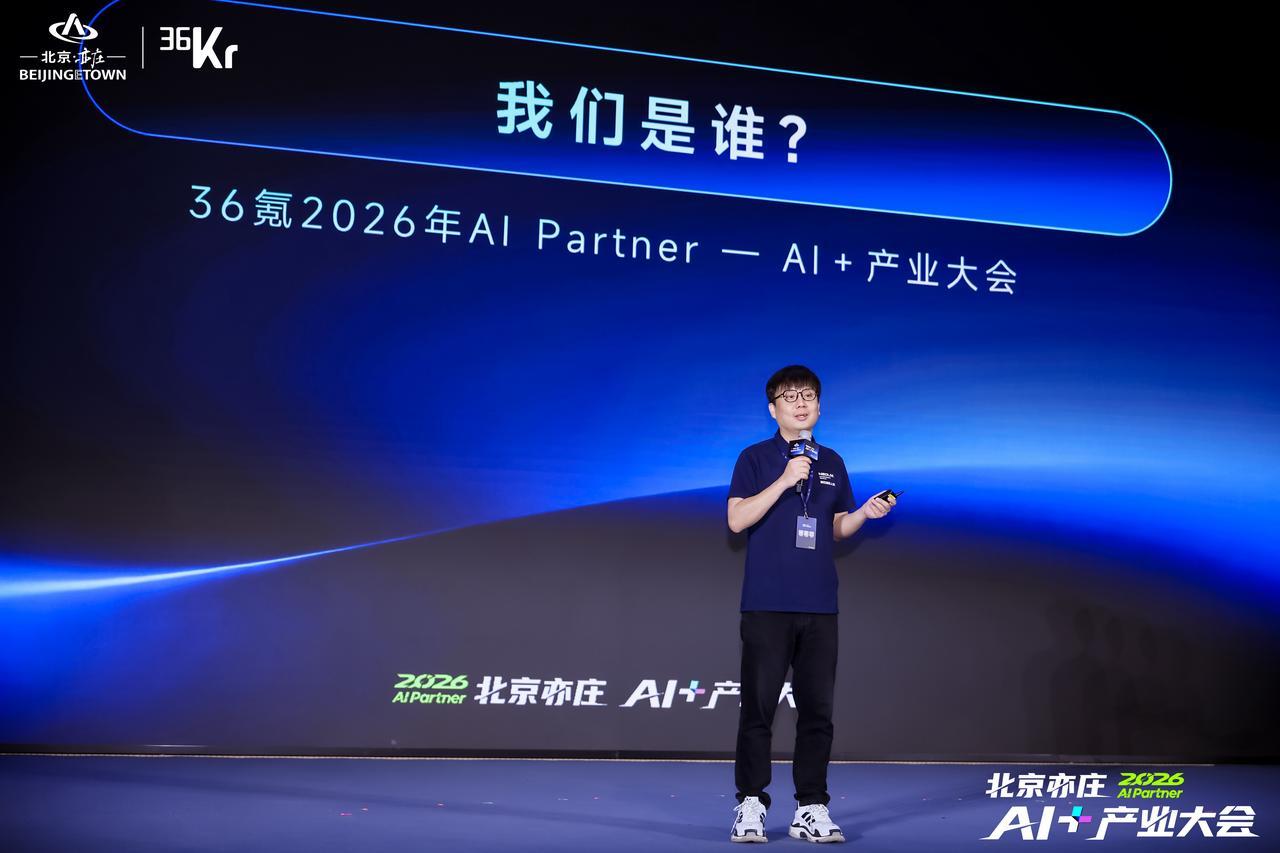
  37. City-level AI Services: From Pilot to Normalization, Real-world Combat and Large-scale Deployment of Robots | 2026AI Partner·Beijing Yizhuang AI+ Industry Conference

    Kuaiwei Technology is deploying robots in over 50 cities, focusing on practical applications like sanitation and delivery to generate data for evolving their embodied AI models. The company utilizes a "fight to fund fight" strategy, where operational robots gather real-world data to improve their World-Action Interactive Model (WAIM). This model enables robots to perform complex tasks in diverse urban environments, from street cleaning to last-mile delivery, with the goal of achieving large-scale deployment. AI

    City-level AI Services: From Pilot to Normalization, Real-world Combat and Large-scale Deployment of Robots | 2026AI Partner·Beijing Yizhuang AI+ Industry Conference

    IMPACT Accelerates the collection of real-world data for embodied AI, potentially speeding up the development and deployment of autonomous systems in urban environments.

  38. Anthropic is paying $15 billion a year for access to Elon Musk’s data centers

    Anthropic has agreed to pay SpaceX $15 billion annually through May 2029 for access to its Colossus data centers. This significant compute deal, revealed in SpaceX's IPO filing, highlights Anthropic's urgent need for AI training capacity. The agreement includes a 90-day termination clause for either party and represents a substantial revenue stream for SpaceX, which is also investing heavily in its own AI endeavors. AI

    Anthropic is paying $15 billion a year for access to Elon Musk’s data centers

    IMPACT Secures critical compute for Anthropic's model development and provides a major revenue boost for SpaceX's AI infrastructure services.

  39. Nvidia’s Vera chip is the US$200 billion bet Jensen Huang doesn’t want you to overlook

    Nvidia CEO Jensen Huang has introduced the Vera chip, a new CPU designed specifically for agentic AI, targeting a substantial $200 billion market segment. This initiative aims to diversify Nvidia's revenue beyond its dominant AI GPU offerings, with Huang projecting Vera to become the company's second-largest sales contributor. The chip is positioned to address the growing demand for efficient inference workloads, a space where custom silicon from hyperscalers presents increasing competition. AI

    Nvidia’s Vera chip is the US$200 billion bet Jensen Huang doesn’t want you to overlook

    IMPACT Nvidia's new Vera chip could shift inference workload dynamics and create a new competitive front against hyperscaler custom silicon.

  40. Neolithic New Claw: AI Integrated Solution, Zero Threshold to Become an Autonomous Vehicle Commander | 2026 AI Partner · Beijing Yizhuang AI+ Industry Conference

    Neosilicates has launched NeoClaw, an AI agent designed to manage large fleets of autonomous delivery vehicles. This new solution allows a single operator to manage over 100 vehicles through natural language commands, significantly increasing efficiency from previous levels of around 10 vehicles per person. NeoClaw aims to bridge the gap between autonomous driving technology and scalable operational management, moving towards a future where human-robot interaction is seamless and requires no specialized training. AI

    Neolithic New Claw: AI Integrated Solution, Zero Threshold to Become an Autonomous Vehicle Commander | 2026 AI Partner · Beijing Yizhuang AI+ Industry Conference

    IMPACT Accelerates the operational scaling of autonomous vehicle fleets by enabling single-person management of over 100 vehicles.

  41. We Connected an LLM to a 12-Year-Old Codebase. Here's What Broke.

    Integrating LLMs into existing, complex software systems presents significant challenges beyond simple API calls. A key issue is managing the probabilistic and network-dependent nature of LLMs, which can cause system instability if treated as deterministic, in-process functions, leading to failures like extended checkout times. Furthermore, the quality of data fed into LLMs is crucial; historical data with inconsistencies and drift can lead to inaccurate outputs, turning AI integration into a data cleaning project. Finally, the cost of LLM usage can escalate rapidly without proper telemetry, necessitating the implementation of a gateway service to handle timeouts, fallbacks, and cost monitoring. AI

    IMPACT Provides practical guidance on integrating LLMs into legacy systems, highlighting common pitfalls and architectural patterns for reliable and cost-effective deployment.

  42. ASML CEO says Elon Musk is 'very serious' about TeraFab chipmaking megaproject, confirms direct talks — Musk targets $119 billion Texas semiconductor facility

    ASML CEO Christophe Fouquet confirmed direct discussions with Elon Musk regarding the ambitious TeraFab semiconductor project. Musk is reportedly "very serious" about establishing a massive chip manufacturing facility in Texas, with potential costs reaching $119 billion. Fouquet also highlighted the global semiconductor industry's struggle with capacity due to soaring AI demand and noted that ASML's High NA EUV lithography systems are nearing their first chip production. AI

    ASML CEO says Elon Musk is 'very serious' about TeraFab chipmaking megaproject, confirms direct talks — Musk targets $119 billion Texas semiconductor facility

    IMPACT Confirms major investment in advanced chip manufacturing capacity, crucial for meeting escalating AI hardware demands.

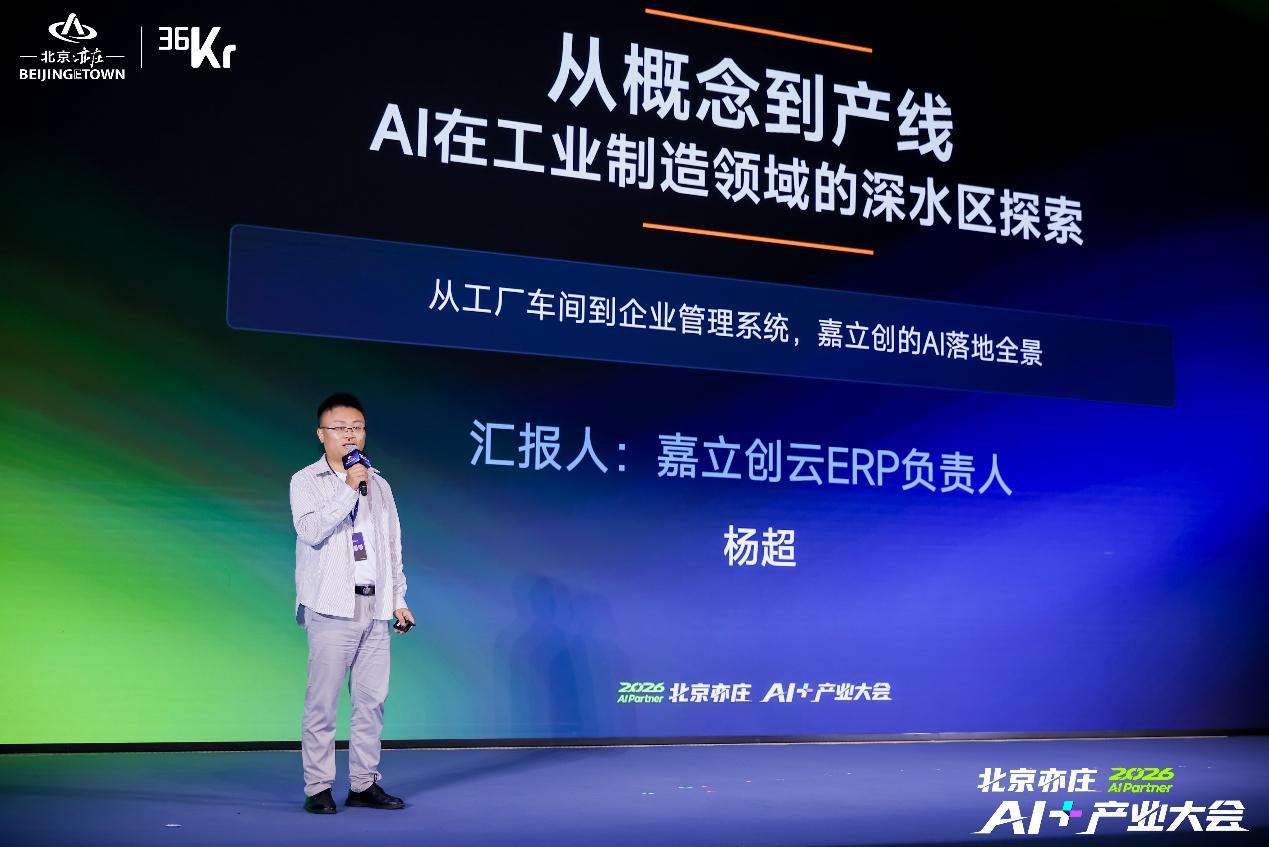
  43. From Concept to Production Line 1: Deep Dive into AI in Industrial Manufacturing | 2026 AI Partner · Beijing Yizhuang AI+ Industry Conference

    AI is transforming industrial manufacturing from a supplementary tool into a core engine for factory redesign, enabling significant efficiency gains. By integrating AI across research, engineering, supply chain, and production, companies can achieve quantifiable improvements, such as faster defect identification and optimized production parameters. Solutions are being developed to cater to businesses of all sizes, from small enterprises needing easy deployment to larger corporations seeking advanced system upgrades. AI

    From Concept to Production Line 1: Deep Dive into AI in Industrial Manufacturing | 2026 AI Partner · Beijing Yizhuang AI+ Industry Conference

    IMPACT AI integration is poised to redefine manufacturing productivity by optimizing entire production lifecycles, from design to supply chain.

  44. You Probably Don't Need 8-Bit Quantization

    For most users running large language models locally, 4-bit quantization offers a practical balance between performance and quality, significantly reducing VRAM requirements compared to 8-bit. While 4-bit models may show a slight decrease in reasoning capabilities on complex tasks, they remain nearly identical for text generation and instruction following. This approach is particularly beneficial for interactive chat and typical production workloads on consumer hardware, enabling faster inference speeds and making larger models accessible on less powerful GPUs. AI

    IMPACT Enables wider accessibility of large language models on consumer hardware by optimizing resource usage.

  45. Clouted wants to take the guesswork out of making short videos go viral

    Clouted, a startup that emerged from a16z's Speedrun accelerator, has secured $7 million in seed funding to automate the process of creating and distributing viral short video clips from longer content. The platform utilizes AI to identify compelling segments and determine optimal distribution channels and target audiences, leveraging a network of over 100,000 gig creators. Clouted's AI continuously tests various formats and strategies, akin to penetration testing for social media algorithms, to identify what makes content go viral and improve future campaigns. AI

    Clouted wants to take the guesswork out of making short videos go viral

    IMPACT Automates viral content creation, potentially lowering marketing costs and increasing efficiency for brands.

  46. Google I/O Review (1/5) — Gemini 3.5 'Flash' Costs 15x More Than Flash 2.0. It's Pro in Disguise

    Google's Gemini 3.5 Flash model, announced at Google I/O, offers performance comparable to the previous Gemini 3.1 Pro but at a significantly lower cost. Despite being branded as "Flash," its pricing is now much closer to Pro, with input costs at $1.50/1M tokens and output costs at $9.00/1M tokens, a substantial increase from earlier Flash versions. This pricing adjustment effectively makes Pro-level inference 25% cheaper, offering economic benefits for large-scale agentic workloads, though the author cautions against relying solely on benchmark performance for production decisions. AI

    Google I/O Review (1/5) — Gemini 3.5 'Flash' Costs 15x More Than Flash 2.0. It's Pro in Disguise

    IMPACT Makes Pro-level inference 25% cheaper, potentially accelerating adoption of agentic AI workloads at scale.

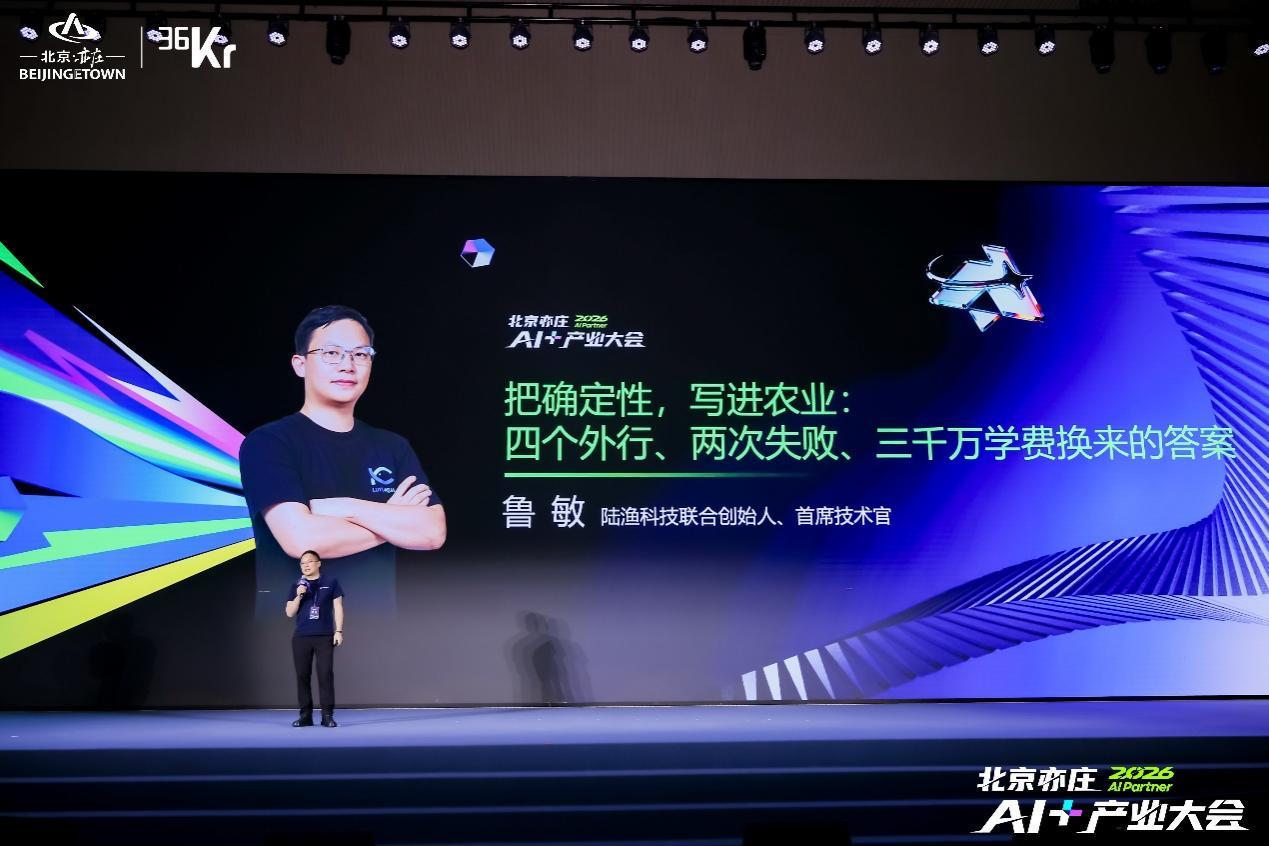
  47. Injecting Certainty into Agriculture: The Answer Forged by Four Amateurs, Two Failures, and a 30 Million Tuition Fee | 2026AI Partner·Beijing Yizhuang AI+ Industry Conference

    Lu Yu Technology, a startup founded by individuals with no prior agricultural experience, has invested over 30 million yuan in developing an AI-driven system for aquaculture. After two significant failures, the company has created a comprehensive AI solution that addresses the inherent uncertainties in fish farming. Their system focuses on data collection, AI-powered decision-making, and automated execution to bring predictability to the 1.38 trillion yuan aquaculture market, which currently has less than 5% digital penetration. AI

    Injecting Certainty into Agriculture: The Answer Forged by Four Amateurs, Two Failures, and a 30 Million Tuition Fee | 2026AI Partner·Beijing Yizhuang AI+ Industry Conference

    IMPACT This initiative could significantly boost the digital transformation of the aquaculture industry, making it more predictable and profitable.

  48. Scaling the Memory Wall: HBM, CXL, and the New GPU Playbook

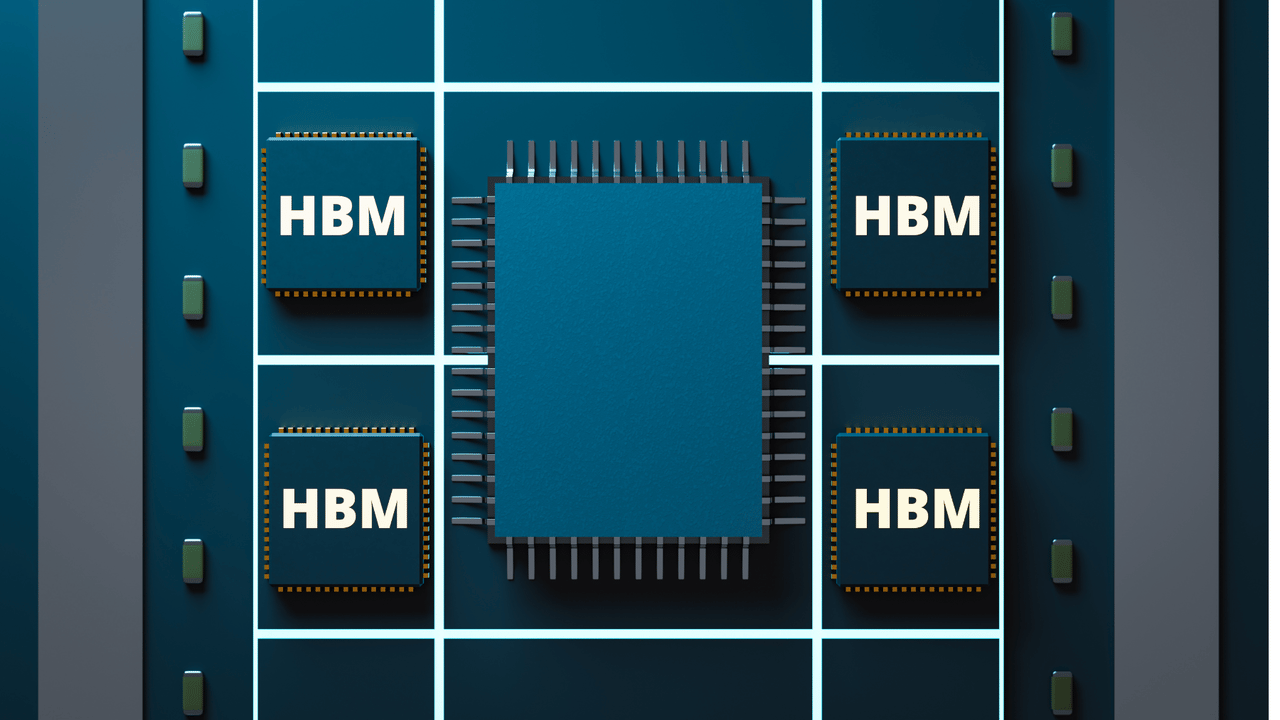
    The AI industry is grappling with a significant 'memory wall' bottleneck, where GPU processing power outstrips memory bandwidth and capacity. This challenge is exacerbated by the increasing demands of training large generative AI models and the growing need for edge inference and agentic AI. Solutions like High Bandwidth Memory (HBM), Compute Express Link (CXL), and specialized on-processor SRAM meshes are being developed to address these limitations, though they introduce new challenges in supply, cost, and thermal management. AI

    Scaling the Memory Wall: HBM, CXL, and the New GPU Playbook

    IMPACT Addresses critical memory bottlenecks in AI infrastructure, impacting the cost and efficiency of training and inference.

  49. How Google plans to win the AI war

    Google is strategically integrating AI across its vast product ecosystem, aiming to balance innovation with the protection of its profitable core businesses. The company is revamping its search engine and introducing new AI features to YouTube, emphasizing models that are both powerful and cost-effective for widespread deployment. This approach leverages Google's significant capital expenditures and existing platforms to compete at the AI frontier, even as rivals like OpenAI and Anthropic release new models. AI

    How Google plans to win the AI war

    IMPACT Google's AI integration strategy could accelerate widespread adoption and shift competitive dynamics in the AI landscape.

  50. Zhixing Technology's iDC700 L4 Autonomous Driving Controller Enters Mass Production

    Zhixing Technology has begun mass production of its iDC700 L4 autonomous driving controller. The first autonomous logistics vehicles equipped with this controller are now operational on roads. This marks a significant step towards wider deployment of L4 autonomous driving capabilities in logistics. AI

    IMPACT Enables wider deployment of L4 autonomous driving in logistics vehicles.