PulseAugur / Brief
EN
LIVE 20:40:40

Brief

last 24h
[10/10] 221 sources

Multi-source AI news clustered, deduplicated, and scored 0–100 across authority, cluster strength, headline signal, and time decay.

  1. Mastering Industrial Quality Inspection: How AI Vision is Reconstructing the Quality Defense Line for High-End Manufacturing | 2026 AI Partner · Beijing Yizhuang AI+ Industry Conference

    Guangzhou Interlligent, a tech company spun out of Xi'an University of Posts and Telecommunications, is developing AI-powered visual inspection systems for high-end manufacturing. Their solutions address critical detection challenges in sectors like semiconductors, optical communications, and new energy vehicles. By combining custom hardware with advanced AI algorithms, including a novel few-shot, unsupervised learning approach, Interlligent aims to improve quality control and reduce detection times. AI
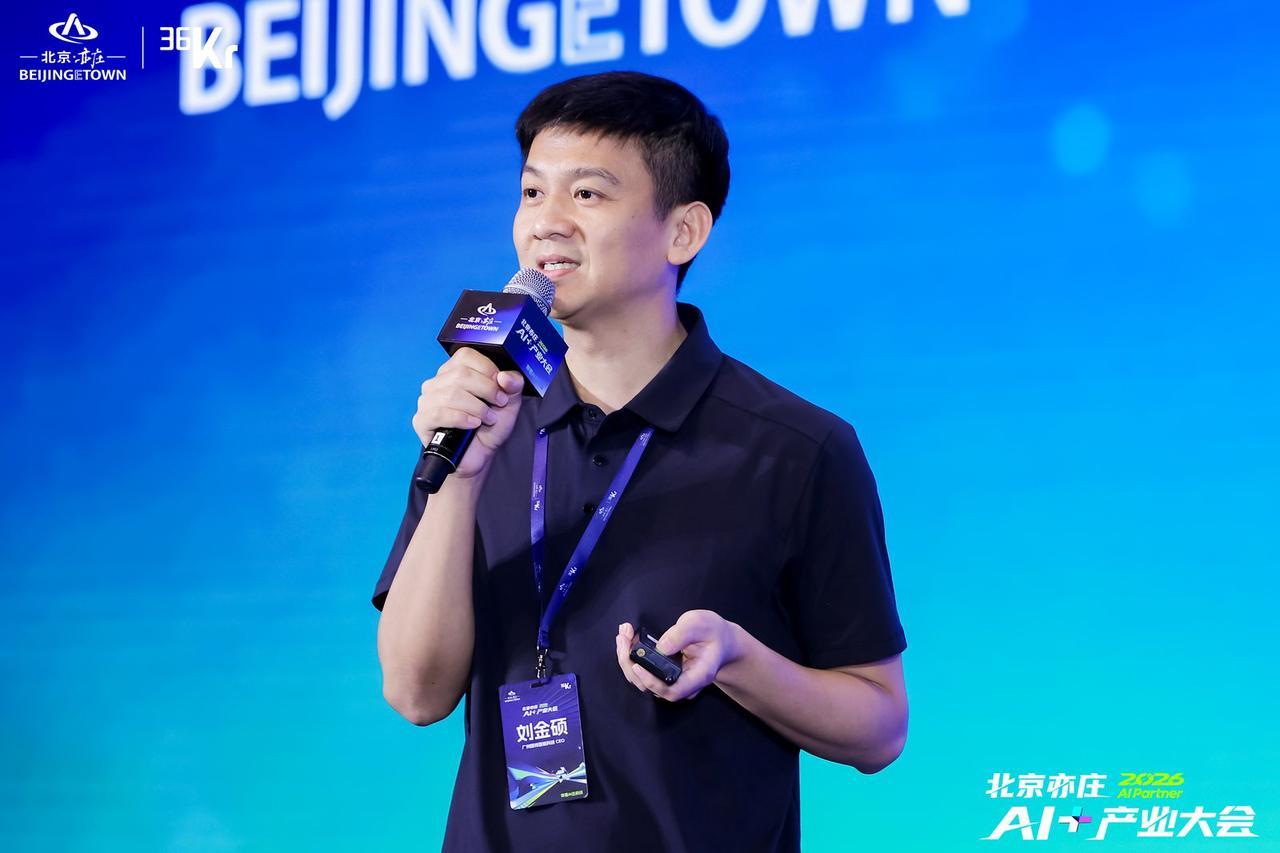
    Mastering Industrial Quality Inspection: How AI Vision is Reconstructing the Quality Defense Line for High-End Manufacturing | 2026 AI Partner · Beijing Yizhuang AI+ Industry Conference

    IMPACT AI visual inspection systems are enhancing quality control and efficiency in critical manufacturing sectors like semiconductors and automotive.
  2. CITIC Securities: Embodied Intelligence, Semiconductors, AI Upstream Equipment & Materials, and World Cup theme enthusiasm are expected to erupt.

    Zhongxin Securities has identified several sectors poised for growth, including embodied intelligence, semiconductors, and upstream AI equipment and materials. The firm suggests these areas, alongside the World Cup theme, could see increased investor enthusiasm. Separately, BYD is reportedly accelerating discussions regarding entry into Formula 1 racing, having met with former Red Bull Racing boss Christian Horner. AI

    IMPACT Analyst predictions highlight potential growth in AI and semiconductor sectors, suggesting increased investment and development in these areas.

  3. Prime Minister Sanae Takaichi has unveiled a plan to set up a new investment quota for 17 growth areas, including artificial intelligence and semiconductors, to

    Japan's Prime Minister Sanae Takaichi has announced a new investment quota targeting 17 key growth sectors. This initiative aims to bolster long-term corporate investments, with artificial intelligence and semiconductors identified as priority areas. AI

    IMPACT Japan's government is prioritizing AI and semiconductor development through new investment quotas to foster long-term corporate growth.

  4. Morgan Stanley: Global semiconductor industry market size may reach 1.5 trillion US dollars by 2030, with AI-related semiconductor products accounting for half of the market

    Morgan Stanley projects the global semiconductor market will reach $1.5 trillion by 2030, with AI-related semiconductors accounting for half of that value. The firm anticipates cloud capital expenditures to approach $811 billion by 2026, driven by strong demand from major cloud providers. As AI evolves from inference to execution, the demand for CPU orchestration and associated market value is expected to significantly increase. AI

    IMPACT Projects significant growth in AI-driven semiconductor demand, indicating a major shift in hardware investment priorities.

  5. Power management chip price increase wave, since the second quarter, many concept stocks have been favored by financing funds

    The semiconductor industry is experiencing a price increase for power management ICs, driven by rising costs in wafer fabrication and packaging rather than strong consumer demand. This follows similar price hikes for MCUs and driver ICs. Meanwhile, Nissan is planning to downsize its Yokohama plant, a move that could impact its domestic parts production and potentially its next-generation solid-state battery trials, though a complete closure is unlikely. AI

    IMPACT Power management IC price increases could affect AI hardware costs, while Nissan's battery trials are relevant to future AI-integrated automotive tech.

  6. Hang Seng Index closes up 0.86%, Lenovo Group rises over 19%

    The Hang Seng Index closed up 0.86%, with the Hang Seng Tech Index rising 2.11%. Semiconductor, hardware, and software services sectors led the gains, with Zhipu AI surging over 26% and Lenovo Group increasing by more than 19%. Conversely, food and beverage, enterprise services, and environmental protection sectors saw declines. Southbound funds recorded a net sale of HK$6.494 billion. AI

    IMPACT Provides a snapshot of market performance for AI-related companies and sectors.

  7. AI doesn't just need semiconductors. This market winner isn't talked about enough https://www.investicniweb.cz/akcie-svet/322704-umela-inteligence-nepotrebuje-jen

    The article argues that artificial intelligence development requires more than just advanced semiconductors. It highlights that the success of AI is also heavily dependent on specialized software and algorithms, which are often overlooked. The piece suggests that companies focusing solely on hardware might miss crucial opportunities in the AI ecosystem. AI

    AI doesn't just need semiconductors. This market winner isn't talked about enough https://www.investicniweb.cz/akcie-svet/322704-umela-inteligence-nepotrebuje-jen

    IMPACT Highlights that AI development requires a balanced focus on both hardware and software, influencing strategic investment and development priorities.

  8. Report finds U.S. space supply chains rely heavily on Chinese manufacturing https:// fed.brid.gy/r/https://spacenew s.com/report-finds-u-s-space-supply-chains-r

    A recent report from Altana, a supply-chain intelligence firm, reveals that the U.S. commercial space industry heavily relies on components manufactured in China. The analysis found over 849,000 commercial space imports since 2022 had upstream exposure to Chinese suppliers, with significant dependencies also noted for Russian and Taiwanese components, particularly in semiconductors. This reliance creates tension with Pentagon demands for supply-chain resilience and trusted domestic or allied suppliers for national security programs. AI

    IMPACT Highlights critical supply chain vulnerabilities for the space industry, potentially impacting national security and future development.

  9. JSR to build first Taiwan photoresist plant to co-develop advanced resists with TSMC — multi-million dollar plant could come online as early as 2028

    Samsung Electronics has averted a potential strike by reaching a tentative wage agreement with its union, which represents nearly 48,000 workers. The deal, which is subject to a worker vote, was struck just hours before planned industrial action was set to begin. The dispute centered on performance bonuses, with the union seeking a larger share of annual profits and the removal of salary caps, while Samsung cited differing performance across its divisions. Meanwhile, JSR, a major photoresist maker, is building its first production facility in Taiwan to collaborate with TSMC on advanced materials, aiming to be operational by 2028. AI

    JSR to build first Taiwan photoresist plant to co-develop advanced resists with TSMC — multi-million dollar plant could come online as early as 2028

    IMPACT Potential disruption to AI memory chip supply is averted, while investment in advanced photoresist production supports future AI hardware development.

  10. How Japan’s new economic model could inspire others to ‘look east’

    Japan and South Korea are strengthening their diplomatic ties and economic cooperation, driven by concerns over regional instability and supply chain security. The two nations have established a mutual energy swap agreement to ensure supply during disruptions. Japan is also focusing on its economic security by designating strategic fields like AI and semiconductors for development, aiming to tap into domestic wealth to advance industrial ambitions. AI

    How Japan’s new economic model could inspire others to ‘look east’

    IMPACT Japan and South Korea's focus on AI as a strategic industry could accelerate regional AI development and competition.