PulseAugur / Brief
EN
LIVE 10:08:35

Brief

last 24h
[7/7] 221 sources

Multi-source AI news clustered, deduplicated, and scored 0–100 across authority, cluster strength, headline signal, and time decay.

  1. Robots.txt remains a basic signal for polite crawlers, but it can no longer describe the main problem: the same public content can serve classic search, AI answers

    The traditional robots.txt file, designed in 1994, is no longer sufficient for managing web content access in the age of AI. Modern AI crawlers have diverse purposes, including training foundation models, providing grounded answers, and fulfilling user requests, which the simple allow/disallow directives of robots.txt cannot differentiate. Website operators now need more sophisticated methods to verify bot identities, define access purposes, and enforce rules beyond the basic protocol to protect valuable content. AI

    Robots.txt remains a basic signal for polite crawlers, but it can no longer describe the main problem: the same public content can serve classic search, AI answers

    IMPACT AI crawlers' varied needs expose the inadequacy of old web protocols, necessitating new methods for content access control and data protection.

  2. llms.txt and the Quiet Pact Between Sites and Crawlers

    Anna's Archive has introduced an `llms.txt` file to guide AI crawlers away from its main website and towards bulk data endpoints. This initiative aims to reduce server strain from CAPTCHA-breaking bots and potentially generate revenue through enterprise-tier data access. The convention, inspired by `robots.txt`, is being adopted by other sites to provide curated content indexes or simple instructions for LLMs, though it lacks enforcement mechanisms. AI

    IMPACT Establishes a new convention for AI crawlers to interact with websites, potentially improving data access and reducing scraping friction.

  3. YIL: robots.txt data scraping prevention. robots.txt says what to datascrape. Specifically, if the following text is written User-agent: * Allow: / Everything i

    The `robots.txt` file can be used to prevent data scraping by bots, including those used for AI training. By default, if `robots.txt` allows all access, content is publicly available unless password-protected. However, specifying `Disallow: /` in `robots.txt` can prevent bots from accessing public content unless a direct link is provided, as bots prioritize reading this file for instructions. AI

    IMPACT Specifies a method for controlling data access that could impact AI training datasets.

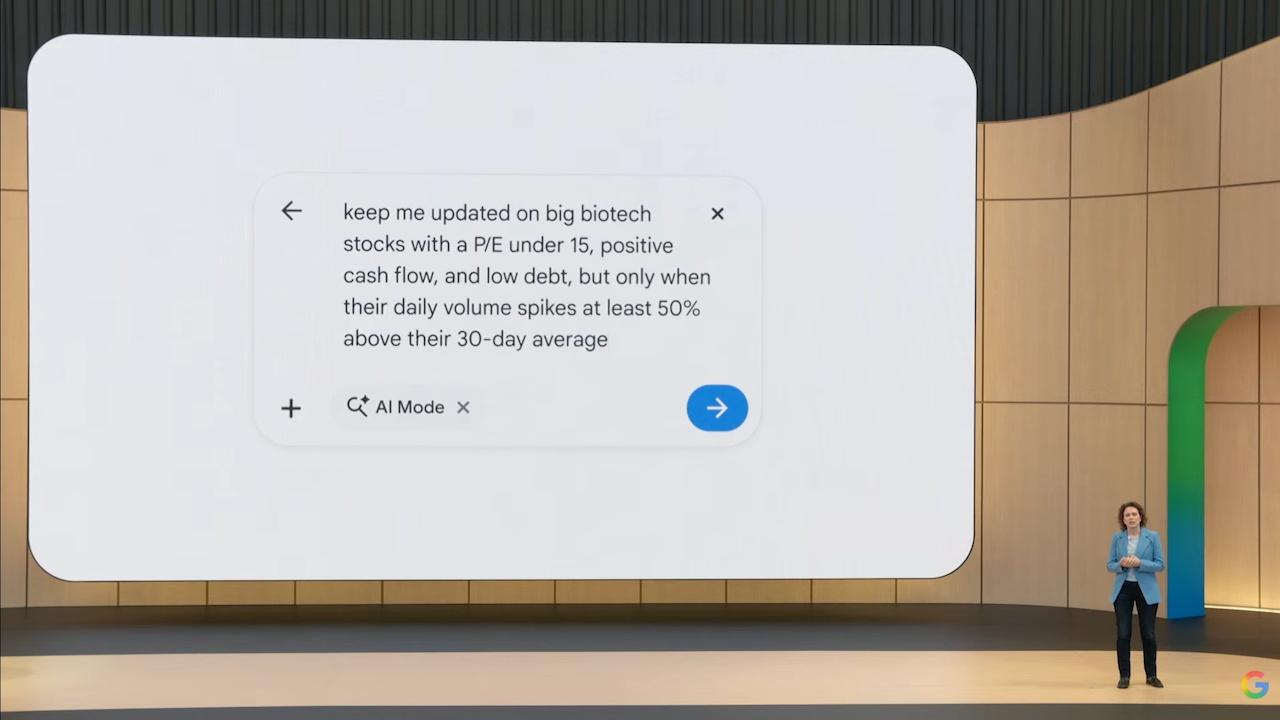
  4. So, with Google announcing "Search is going full-AI, we won't be sending traffic to the original sites any more", someone else pointed out that this eradication

    Google's shift to an AI-first search model, where it may no longer direct traffic to original websites, has prompted discussions about blocking Google's crawlers. Critics argue that if Google solely extracts content without returning visitors, websites should revoke access. Furthermore, concerns have been raised about Google's incomplete and potentially misleading documentation regarding its crawlers and their adherence to robots.txt. AI

    IMPACT Google's AI-driven search changes could significantly alter website traffic and content monetization strategies for online publishers.

  5. After Google’s announcement that they will start showing AI results rather than links in search results a lot of people showed interest in blocking them from sc

    Users are exploring methods to block Google's AI search results from scanning their websites. The recommended approach involves blocking Google Cloud IP ranges instead of relying solely on robots.txt. This strategy aims to prevent what some perceive as malicious bot traffic originating from Google's infrastructure. AI

    IMPACT Users are seeking ways to control AI's presence in search results, indicating potential shifts in content consumption and website traffic.

  6. AI Crawlers in robots.txt: Allow or Block? https://www.perun.net/2026/05/13/ki-crawler-robots-txt-zulassen-blockieren-differenzieren/ #WordPress

    The article discusses the implications of AI web crawlers accessing content, particularly concerning the robots.txt file. It explores whether websites should permit or deny these crawlers access to their data. The piece suggests a nuanced approach, advocating for differentiation rather than a simple allow or block. AI

    AI Crawlers in robots.txt: Allow or Block? https://www.perun.net/2026/05/13/ki-crawler-robots-txt-zulassen-blockieren-differenzieren/ #WordPress

    IMPACT Websites need to consider how AI crawlers access their data to manage content visibility and potential usage.

  7. https:// winbuzzer.com/2026/05/24/googl es-ai-search-shift-gives-rivals-a-clearer-pitch-xcxwbn/ Google's AI search shift has given competitors like Bing, Kagi,

    Users are increasingly dissatisfied with AI integration in search engines, particularly Google's. Many are switching to privacy-focused alternatives like DuckDuckGo and Kagi, citing concerns about AI-generated content and intrusive AI features. These users appreciate that DuckDuckGo allows disabling AI answers and images, and some are exploring other search engines as well. AI

    https:// winbuzzer.com/2026/05/24/googl es-ai-search-shift-gives-rivals-a-clearer-pitch-xcxwbn/ Google's AI search shift has given competitors like Bing, Kagi,

    IMPACT Users are actively seeking alternatives to AI-integrated search, signaling a potential shift in search engine market share and user expectations.