PulseAugur / Brief
EN
LIVE 23:47:19

Brief

last 24h
[9/9] 224 sources

Multi-source AI news clustered, deduplicated, and scored 0–100 across authority, cluster strength, headline signal, and time decay.

  1. PLA’s plan to destroy US carriers; world’s largest whale graveyard: 7 science highlights

    The People's Liberation Army (PLA) has reportedly developed a plan to target US carrier groups from a distance of 3,000 kilometers. This strategy aims to counter US military presence in Asia by striking assets positioned in locations like Guam, Micronesia, which are considered beyond the range of conventional missiles. The report highlights this as a significant development in military strategy. AI


    PLA’s plan to destroy US carriers; world’s largest whale graveyard: 7 science highlights
  2. Bambu Lab launches PLA Pure filament — New material boasts kid-safe toy certifications and "asbestos-free" talc

    Bambu Lab has introduced PLA Pure, a new filament designed for family use with certifications for kid-safe toys and low emissions. The company has disclosed the five ingredients in this filament, including polylactic acid, acrylic copolymer, color pigments, ethylene bis-stearamide, and talc, emphasizing their safety and origin. While PLA Pure meets UL 2904 Greenguard certification for indoor air quality, questions remain about the ingredients in other Bambu Lab filaments and the potential for bacterial growth on printed objects. AI

    Bambu Lab launches PLA Pure filament — New material boasts kid-safe toy certifications and "asbestos-free" talc
  3. PLA scientists propose a plan to destroy US carrier groups from 3,000km away

    Chinese defense scientists have proposed a strategy to neutralize US aircraft carrier groups from a distance of 3,000 kilometers. Published in the journal Tactical Missile Technology, the plan, led by associate professor Gao Tianyun, outlines how to attack these assets from a range that currently shields them from China's existing anti-access/area-denial weapons. This approach aims to counter the US Navy's historical proximity to China, which made its ships vulnerable to shorter-range Chinese missiles. AI

    PLA scientists propose a plan to destroy US carrier groups from 3,000km away
  4. Netgear countersues TP-Link, saying firm 'remains, at its core, a Chinese company selling Chinese-made products' — alleges its 'American company' rebrand is false advertising

    Netgear has filed a countersuit against TP-Link, accusing the company of false advertising and misleading consumers about its origins. Netgear alleges that TP-Link's rebranding as a U.S. company conceals ongoing research and manufacturing operations in China. This legal battle follows TP-Link's earlier lawsuit against Netgear and comes shortly after the U.S. Department of Defense designated TP-Link as a Chinese military company. AI

    Netgear countersues TP-Link, saying firm 'remains, at its core, a Chinese company selling Chinese-made products' — alleges its 'American company' rebrand is false advertising
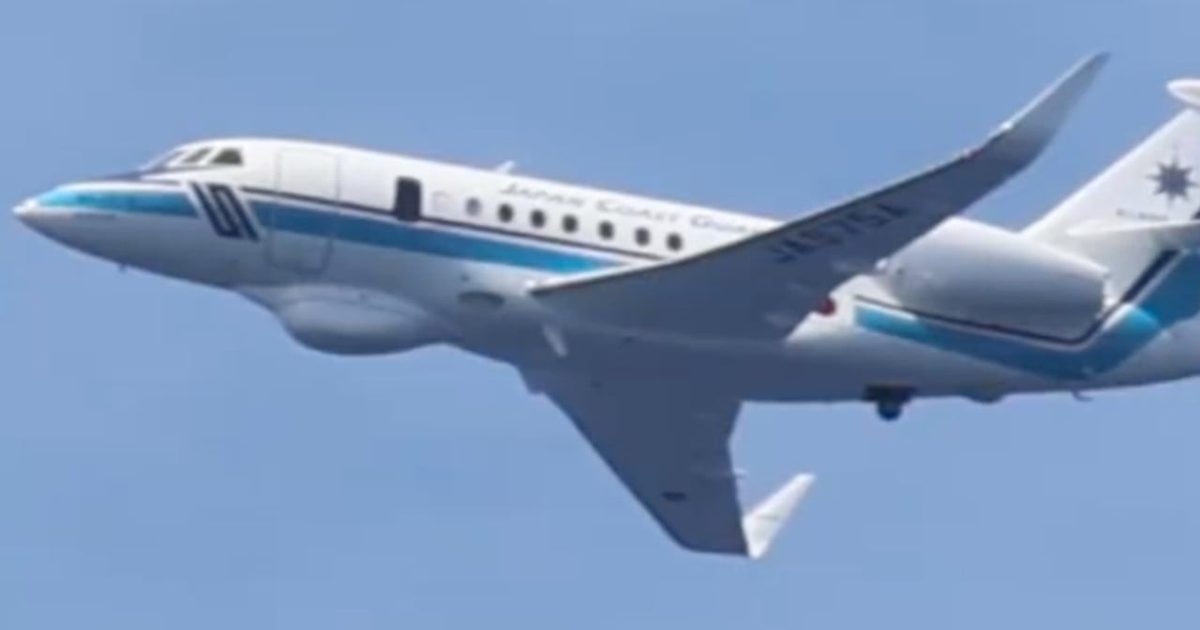
  5. Beijing detects suspected Japanese spy jets near Taiwan

    Chinese maritime authorities reported detecting suspected Japanese surveillance aircraft near Taiwan on Monday. These aircraft were believed to be conducting electronic reconnaissance and observing Chinese vessels. This detection occurred amidst heightened patrols by Beijing in the region, following maritime border talks between Japan and the Philippines. AI

    Beijing detects suspected Japanese spy jets near Taiwan
  6. DIY Local 2x DGX Spark cluster cooler with automatic temperature controlled fan.

    A DIY enthusiast has created a custom cooling solution for a cluster of two DGX Spark AI accelerators. The setup involves a 3D-printed enclosure designed to house the devices and a 120mm fan controlled by a thermostat. This system automatically adjusts fan speed based on temperature to prevent overheating, costing approximately $80 in parts. AI

    DIY Local 2x DGX Spark cluster cooler with automatic temperature controlled fan.

    IMPACT Provides a low-cost cooling solution for local AI hardware setups.

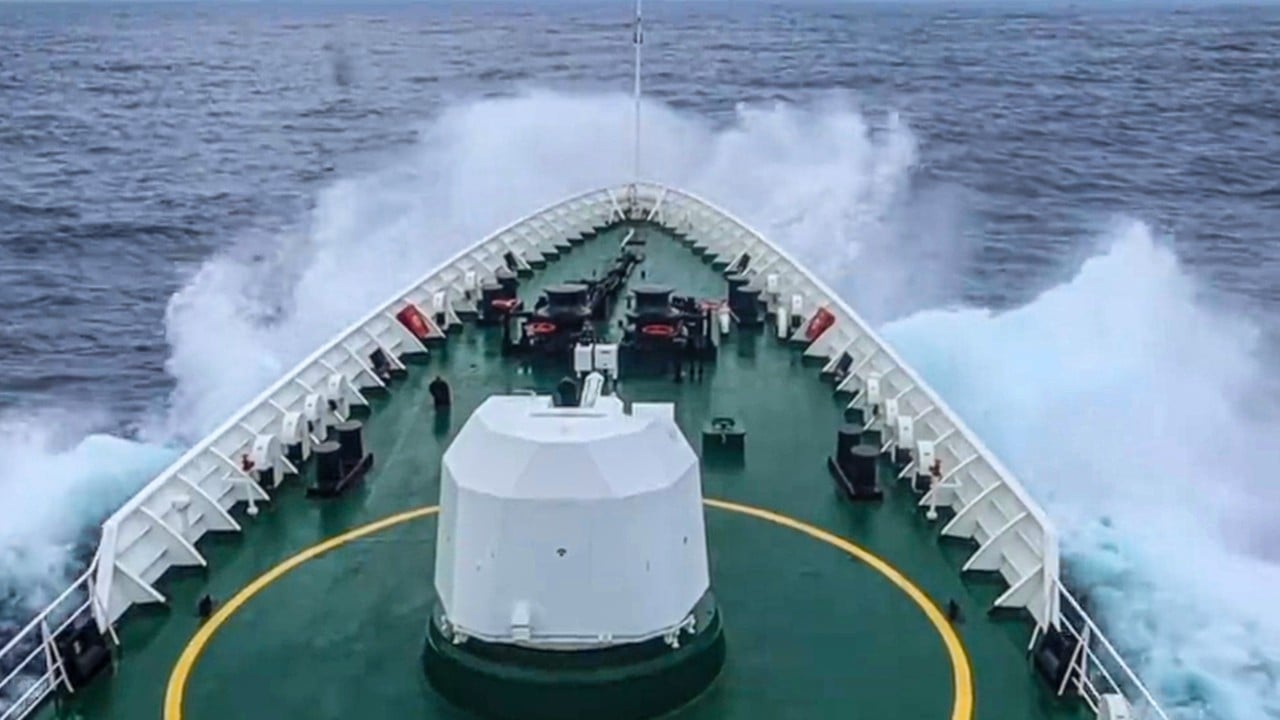
  7. What does Beijing’s response to Tokyo-Manila boundary talks mean for Taiwan?

    The Chinese Coast Guard (CCG) has expanded its operational scope and capabilities, conducting patrols east of Taiwan. This expansion signifies a developing sea-governance system around the island, according to state media and maritime experts. Beijing views Taiwan as a breakaway province and maintains its claim over the island, while international powers like the US and its allies oppose any forceful reunification. AI

    What does Beijing’s response to Tokyo-Manila boundary talks mean for Taiwan?
  8. Tuzhu Releases Pure PLA Filament: 3D Printing Focuses on Material Essence, Home Scenarios Become a New Competition Field

    Tuzhu has released a new "Pure PLA" filament designed for home 3D printing users, emphasizing material safety with a simplified formula of only five ingredients, all of which are EU food-contact certified. This move addresses the growing demand for safer materials as 3D printing shifts towards family scenarios, with home users now comprising a significant portion of the market. The company highlights that this is the first consumer-grade 3D printing filament with publicly disclosed ingredients and a food-contact grade formulation, also meeting stringent safety standards for toys and indoor air quality. AI

    Tuzhu Releases Pure PLA Filament: 3D Printing Focuses on Material Essence, Home Scenarios Become a New Competition Field

    IMPACT This product launch signals a shift in the consumer 3D printing market towards material safety and family-friendly applications, potentially influencing user adoption and material development.

  9. China’s PLA Challenges and Competitions

    China's People's Liberation Army (PLA) is utilizing technology-focused challenges and competitions to enhance its preparedness for future conflicts. These events, spanning from January 2023 to December 2024, reveal the PLA's priorities, including multi-domain integration, advancements in unmanned aerial vehicles (UAVs) and their countermeasures, and the expansion of military-civil fusion partnerships. The competitions highlight specific challenges in developing autonomous UAV countermeasure systems and underscore the PLA's increasing collaboration with academic, military, and industrial entities. AI

    China’s PLA Challenges and Competitions

    IMPACT Provides insight into China's military technology priorities and innovation ecosystem.