PulseAugur / Brief
EN
LIVE 01:43:17

Brief

last 24h
[5/5] 221 sources

Multi-source AI news clustered, deduplicated, and scored 0–100 across authority, cluster strength, headline signal, and time decay.

  1. What Investors Should Realize About Those AI IPOs https://www.wsj.com/opinion/what-investors-should-realize-about-those-ai-ipos-7388f783 # Finance # Investing #

    The current wave of AI IPOs may not reflect the true long-term value of these companies. Investors should be cautious, as many AI firms are still in early stages of development and monetization, with uncertain paths to profitability. The focus on rapid growth and market share could overshadow the need for sustainable business models and realistic valuations. AI

    IMPACT Advises investors on navigating the risks and uncertainties associated with current AI company valuations.
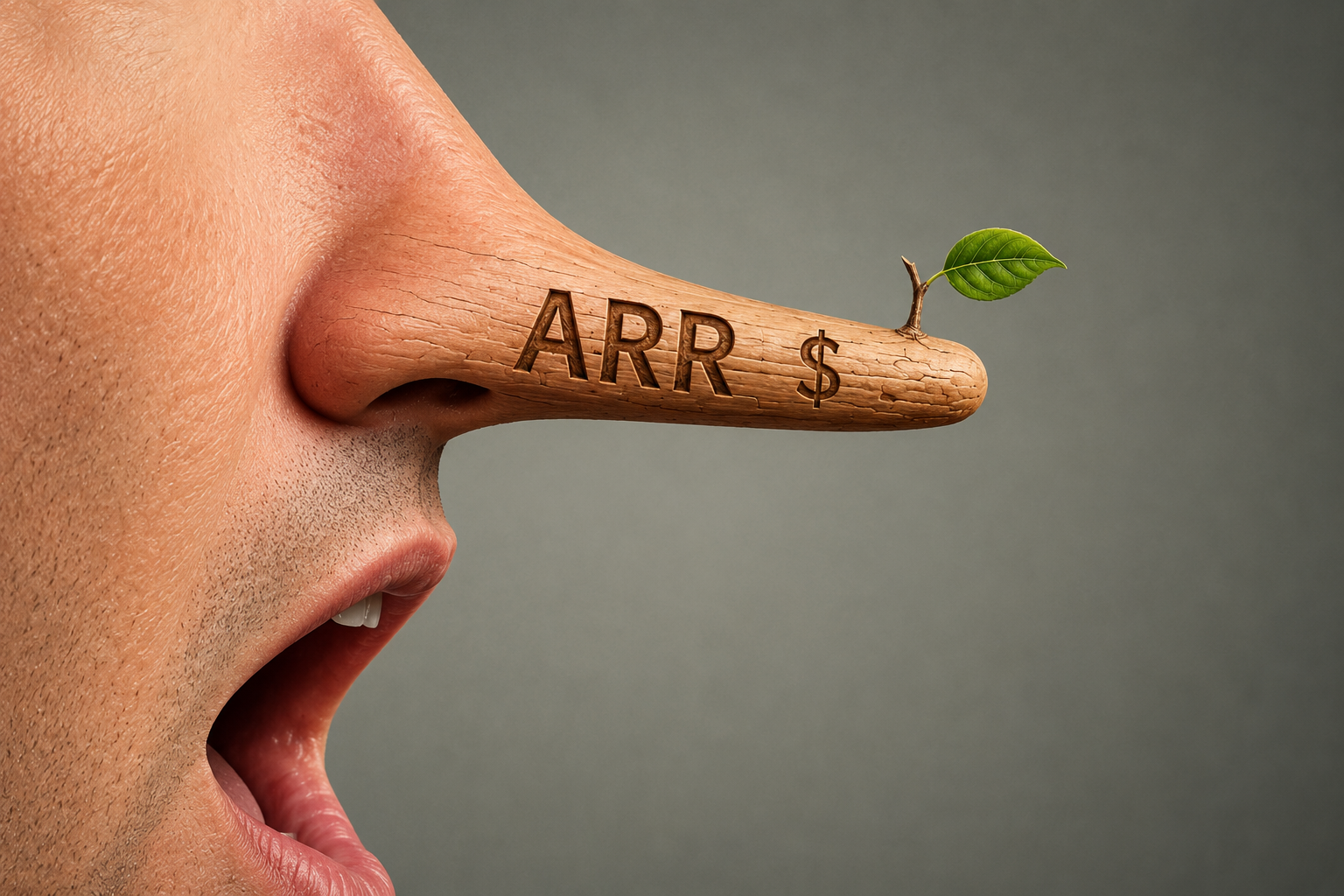
  2. Some AI startups inflate and exceed traditional revenue metrics when publicly discussing their financial progress and business growth. Notably,

    Some AI startups are reportedly inflating their revenue figures and financial growth metrics when discussing their business progress publicly. Notably, investors are aware of these potentially misleading practices but continue to support these companies. This situation raises significant questions about the reliability of financial reporting and the long-term financial sustainability within the rapidly expanding AI sector. AI

    Some AI startups inflate and exceed traditional revenue metrics when publicly discussing their financial progress and business growth. Notably,

    IMPACT Raises concerns about the transparency and sustainability of financial reporting in the AI sector.

  3. 3 Steps Not To Ignore In Nature Plans

    Investors are increasingly demanding transparency from companies regarding nature-related financial risks, despite varying governmental disclosure requirements. These risks, such as declining bee populations impacting agriculture or depleted water sources affecting mining, have significant economic consequences. A global investor initiative has developed a benchmark to guide companies in reporting their strategies for addressing biodiversity loss, emphasizing the need for comprehensive plans that integrate nature and climate risk management. AI

    3 Steps Not To Ignore In Nature Plans
  4. Standard Chartered plans to cut over 7,000 jobs in the next four years, accelerating AI adoption

    Standard Chartered announced plans to eliminate over 7,000 corporate roles by 2030, representing about 15% of its corporate functions staff. The bank's CEO, Bill Winters, stated that the move is driven by the adoption of artificial intelligence and automation, aiming to replace what he termed 'lower-value human capital' with financial and investment capital. This decision has sparked debate and criticism, particularly regarding the CEO's phrasing, leading to an apology from Winters for the upset caused, though he maintained the necessity of adapting to technological change. AI

    IMPACT Accelerates the trend of AI-driven job displacement in the financial sector, prompting debate on the ethical implications of automation.

  5. How VCs and founders use inflated ‘ARR’ to crown AI startups

    AI startups are reportedly inflating their Annual Recurring Revenue (ARR) figures to appear more successful to investors. This practice often involves counting contracted or committed revenue (CARR) before customers have actually started paying or even been onboarded, leading to significantly overstated financial metrics. While investors are sometimes aware of these exaggerations, the pressure to keep up with competitors can incentivize this behavior, potentially misleading the broader market and journalists. AI

    IMPACT Highlights potential financial misrepresentation in the AI sector, impacting investor trust and market valuation of startups.