PulseAugur / Brief
EN
LIVE 19:04:12

Brief

last 24h
[3/3] 222 sources

Multi-source AI news clustered, deduplicated, and scored 0–100 across authority, cluster strength, headline signal, and time decay.

  1. AI Cyber Defense for Critical Infrastructure: From SOC Triage to Autonomous Protection

    Critical infrastructure is increasingly integrating AI, expanding its attack surface to include models, data, and ML pipelines. Traditional security measures and human-only Security Operations Centers (SOCs) are overwhelmed by the volume of data and the speed of AI-native attacks. To counter this, organizations must adopt AI SecOps, embedding continuous security checks into operational pipelines and using AI-driven tools to match the speed and reasoning of adversarial AI. AI

    IMPACT Critical infrastructure must secure AI systems and defend with AI to counter evolving threats and data overload.

  2. Why Infrastructure Modernization Is The Real Enabler Of AI

    Modernizing outdated IT infrastructure is crucial for organizations to effectively leverage artificial intelligence. Many companies attempt to implement AI on legacy systems not designed for current demands like cloud computing and real-time data access. This approach often leads to increased complexity, new risks, and stalled AI pilot projects, as the underlying foundations are not robust enough to support advanced technologies. Incremental modernization, rather than a complete overhaul, is presented as a safer and more realistic path forward, especially in sectors like financial services. AI

    Why Infrastructure Modernization Is The Real Enabler Of AI

    IMPACT Organizations must prioritize IT infrastructure modernization to unlock the full potential of AI and avoid stalled pilot projects.

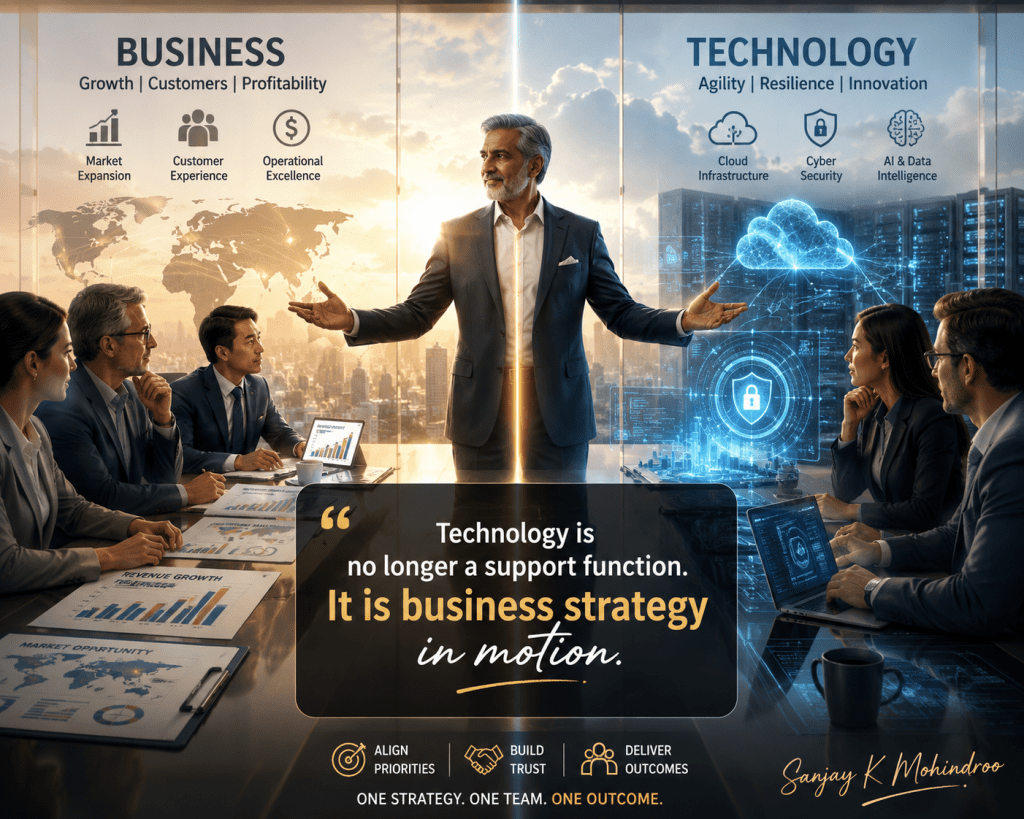
  3. When the CFO Says “Stop Spending” and the CIO Says “We Can’t Slow Down”. Business and IT are not separate conversations anymore. The companies that understand t

    A senior IT leader argues that the perceived conflict between business and technology departments stems from a "language tension" rather than budget disputes. This disconnect leads to stalled transformations and ineffective execution, as business leaders view tech investments as delayed value while IT sees business decisions as short-sighted. The author emphasizes that successful organizations align business and IT with shared commercial understanding, treating technology as integral to business operations rather than a separate support function. AI

    When the CFO Says “Stop Spending” and the CIO Says “We Can’t Slow Down”. Business and IT are not separate conversations anymore. The companies that understand t

    IMPACT Aligning business and IT priorities is crucial for effective technology adoption and transformation, impacting how AI initiatives are integrated and managed within organizations.