PulseAugur / Brief
EN
LIVE 23:54:55

Brief

last 24h
[2/2] 224 sources

Multi-source AI news clustered, deduplicated, and scored 0–100 across authority, cluster strength, headline signal, and time decay.

  1. AI makes Pompeii victim's final moments look shockingly real. Via @popsci #archeology #History #Anthropology #sociology #AI #ArtificialIntelligence 💻 🤖 🧠 AI mak

    Researchers have utilized artificial intelligence to reconstruct the final moments of a victim from the ancient Roman city of Pompeii. The AI was prompted with data from archaeological findings, including the remains of a man found clutching a mortar over his head, to generate a cinematic video depicting his desperate escape attempt during the eruption of Mount Vesuvius. This experimental prototype aims to make historical discoveries more accessible and engaging for a wider audience. AI

    AI makes Pompeii victim's final moments look shockingly real. Via @popsci #archeology #History #Anthropology #sociology #AI #ArtificialIntelligence 💻 🤖 🧠 AI mak

    IMPACT Enhances accessibility of historical data and demonstrates new applications for generative AI in cultural heritage.
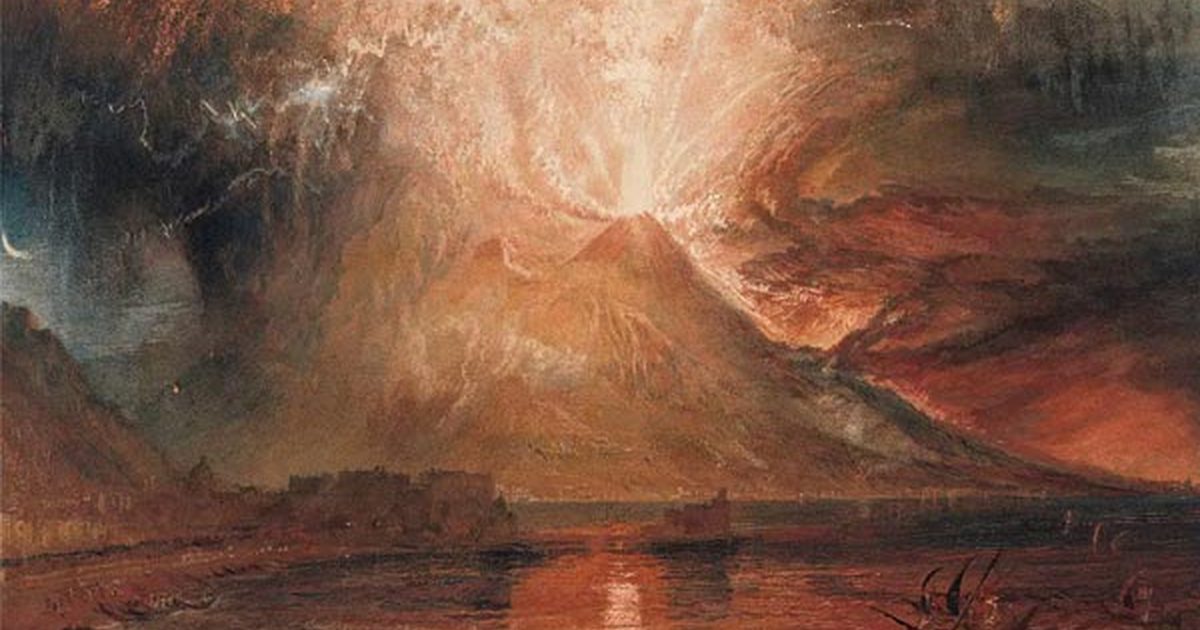
  2. The man who tried to escape Vesuvius, failed, and AI brought him back. There are two ways to survive a catastrophe. The first is to escape it. The second is not to

    Archaeologists have utilized artificial intelligence to reconstruct the face of a man who perished during the AD 79 eruption of Mount Vesuvius. The AI-generated image provides a visual representation of the victim, who was attempting to shield himself from falling debris. This innovative use of technology aims to bring historical figures to life and make ancient history more accessible to the public. AI

    The man who tried to escape Vesuvius, failed, and AI brought him back. There are two ways to survive a catastrophe. The first is to escape it. The second is not to

    IMPACT Enables new methods for visualizing historical events and figures, making archaeology more accessible.