PulseAugur / Brief
EN
LIVE 04:57:31

Brief

last 24h
[2/2] 222 sources

Multi-source AI news clustered, deduplicated, and scored 0–100 across authority, cluster strength, headline signal, and time decay.

  1. Will the ancient "Shen Tie" posts be updated? Tianya Community officially resumes access; it is reported that US humanoid robots have been deployed on the Russia-Ukraine battlefield, and the US military plans to build an army of 50,000 robots; Mercedes-Benz may face sales and production bans in the US

    The US military is reportedly deploying humanoid robots for reconnaissance in Ukraine, with plans to produce 50,000 such units by 2027. Separately, the Chinese semiconductor industry is experiencing significant growth, partly attributed to US sanctions, according to Huawei's Xu Zhijun. In other news, the Tianya community, a once-popular Chinese online forum, has officially resumed operations after a three-year hiatus. AI

    Will the ancient "Shen Tie" posts be updated? Tianya Community officially resumes access; it is reported that US humanoid robots have been deployed on the Russia-Ukraine battlefield, and the US military plans to build an army of 50,000 robots; Mercedes-Benz may face sales and production bans in the US

    IMPACT Humanoid robot deployment and AI advancements in semiconductors signal evolving military and industrial capabilities.
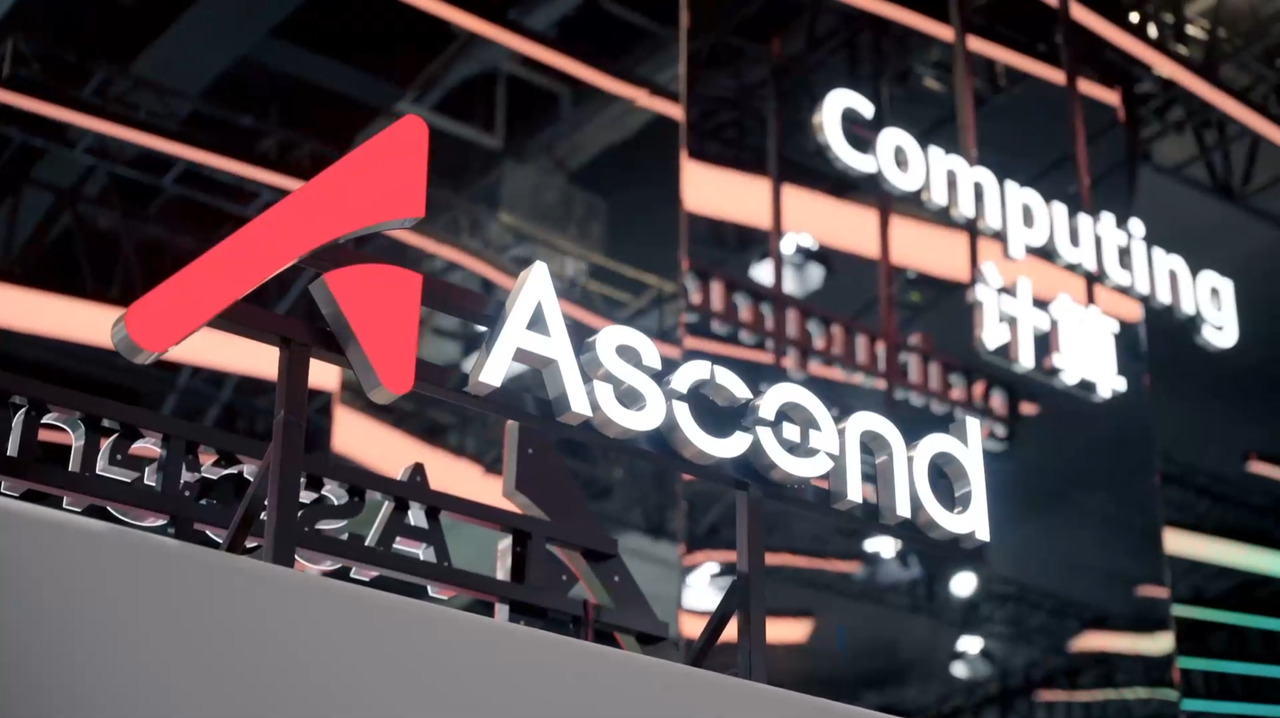
  2. Huawei chairman thanks the US for export restrictions on chips, says it supercharged China’s semiconductor industry — Washington’s export controls encouraged Chinese firms to invest in R&D and build their own tech stack competing with American tech

    Huawei's chairman expressed gratitude to the U.S. for its chip export restrictions, stating that these measures have significantly boosted China's domestic semiconductor industry. The restrictions have compelled Chinese firms to invest heavily in research and development, leading to the creation of indigenous chip architectures and a reduction in reliance on foreign technology. This strategic shift has allowed Chinese companies to develop competitive alternatives, even as it has impacted the market share of U.S. chipmakers like Nvidia. AI

    Huawei chairman thanks the US for export restrictions on chips, says it supercharged China’s semiconductor industry — Washington’s export controls encouraged Chinese firms to invest in R&D and build their own tech stack competing with American tech

    IMPACT US chip export bans to China have spurred domestic innovation, reducing foreign tech reliance and impacting global market share.